
Why Does Arthritis Get Worse in Winter?
While winter’s snow-covered trees and crisp air may seem picturesque, if you’re dealing with arthritis in winter, the season brings more discomfort than delight. But why exactly does the cold target your joints so mercilessly?
Arthritis in winter becomes more painful because cold air compresses joints and tissues. This, combined with reduced physical activity and barometric pressure changes, leads to stiffness, inflammation, and in many cases, severe flare-ups. Whether you’re managing arthritis in the cold with osteoarthritis, rheumatoid arthritis, or another form, understanding how winter plays a role helps you fight back more effectively.
TL;DR – Quick Takeaways for Managing Arthritis in Winter
- 🧊 Cold weather impacts: Lower temps stiffen joints and reduce blood circulation, worsening arthritis pain
- 🏃♂️ Stay moving: Daily indoor stretching or low-impact aerobic exercise prevents stiffness
- 🥦 Anti-inflammatory foods: Omega-3s, antioxidants, and whole grains help reduce joint inflammation
- 🧤 Bundle up smart: Layer clothing, especially thermal gloves and socks, to protect joints
- 🛀 Warm compression: Heat packs, warm showers, and paraffin wax soaks ease winter arthritis flare-ups
- 😴 Prioritize rest: A healthy sleep routine supports joint repair and reduces chronic fatigue
Introduction: Understanding Arthritis in Winter
If you find your joints aching more intensely as the days grow colder, you’re not imagining it. Arthritis in winter has been a well-documented experience among those living with joint conditions, particularly adults over 50. It’s not just the physical cold — it’s how that temperature change influences your body’s entire musculoskeletal system.
Whether you have osteoarthritis (wear-and-tear arthritis), rheumatoid arthritis (an autoimmune condition), or another subtype, winter can pose serious challenges to your mobility and quality of life. But here’s the good news: with expert-backed strategies for managing arthritis in the cold, simple adjustments, and attention to your unique needs, winter doesn’t have to be your joints’ worst enemy.
How Winter Weather Affects Arthritis
Let’s dive deeper into the science behind arthritis in winter. Cold weather doesn’t cause arthritis, but it amplifies existing symptoms in several measurable ways:
1. Reduced Blood Flow to Joints
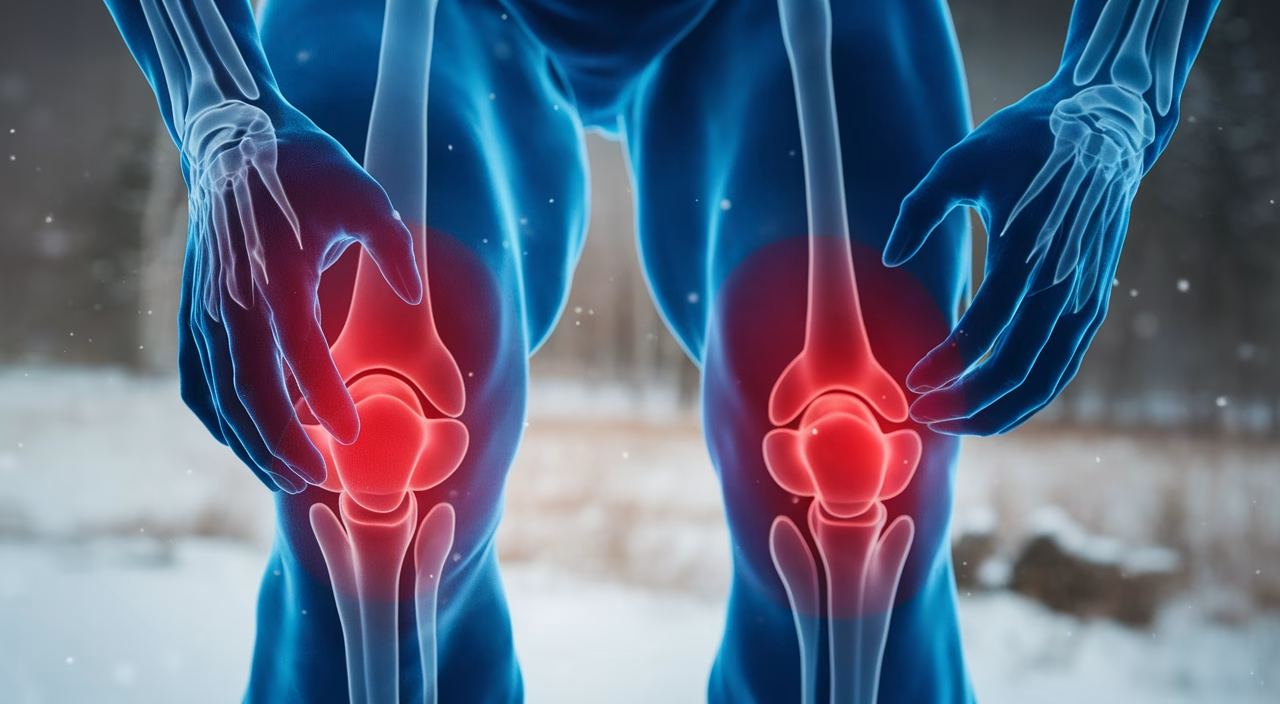
In lower temperatures, your body naturally routes blood away from extremities toward your core to preserve heat. As a result, joints in hands, knees, and feet may feel colder, stiffer, and more painful — making managing arthritis in the cold a daily challenge.
2. Barometric Pressure Drops
Barometric (air) pressure tends to drop before cold fronts or storms, which decreases the pressure on your joints externally — causing tissues to expand slightly and press against surrounding nerves, making arthritis pain more noticeable.
3. Less Physical Activity
Let’s face it — when it’s freezing outside, you’re less likely to go for a walk or stretch. Unfortunately, reduced movement leads to stiffness, muscle atrophy, and less joint lubrication from synovial fluid, creating a cycle that worsens arthritis in winter.
Tips for Alleviating Arthritis Pain in the Cold
Now that you understand how winter affects joints, let’s explore proven ways to protect them — starting today with strategies that make managing arthritis in the cold much more achievable.
Warm Up Before You Move
Think of your joints like an engine — they perform better once they’re warm. Try using a heating pad or taking a warm shower before doing any physical activity. This simple step can dramatically improve your comfort when dealing with arthritis in winter.
Best Exercises for Arthritis in Cold Weather
Maintaining movement is your best ally against winter stiffness. The best exercises for arthritis in cold weather are those that are both joint-friendly and can be done indoors.
| Exercise Type | Benefits | Recommended Frequency |
|---|---|---|
| Gentle Yoga | Improves flexibility and reduces inflammation | 3–5 times/week |
| Chair Exercises | Great for limited mobility or post-injury recovery | Daily |
| Water Aerobics (indoor pool) | Takes pressure off joints while building strength | 2–3 times/week |
| Resistance Bands | Enhances strength without joint impact | 2–3 times/week |
Layer with Purpose: Warm Clothing Tips for Winter Arthritis Relief
Not all layers are created equal when you’re managing arthritis in the cold. These warm clothing tips for winter arthritis relief focus on thermal, moisture-wicking fabrics that actually make a difference:
- Hand & Wrist Support: Use compression gloves or thermal mittens that keep warmth close to arthritic joints.
- Knee & Leg Coverage: Thermal leggings or fleece-lined pants maintain knee warmth and reduce stiffness.
- Footwear: Insulated shoes with arch and ankle support prevent joint strain on cold surfaces
Incorporate Dietary Changes for Reducing Arthritis Pain in the Winter
What you eat during colder months can either ramp up or significantly ease inflammation. These dietary changes for reducing arthritis pain in the winter target the root causes of joint discomfort:
- Load up on Omega-3s: Found in flaxseed, walnuts, and fatty fish like salmon — these fight inflammation naturally
- Add Color: Leafy greens, berries, and winter squash are loaded with antioxidants that reduce joint pain
- Limit Trigger Foods: Cut back on sugar, processed foods, and red meat that can worsen arthritis in winter
- Stay Hydrated: Cold weather dulls thirst, but your joints still need water for proper lubrication
Best Practices for Winter Arthritis Management
Managing arthritis in the cold isn’t just about what you avoid — it’s about building a reliable support system around your daily routine that addresses arthritis in winter comprehensively.
Build a Morning Warm-Up Ritual

Start every day with light stretching. A 10-minute joint mobility routine primes your body mentally and physically, making the rest of your day more manageable when dealing with arthritis in winter.
Use Heat Therapy Carefully
Consider electric heating pads, paraffin wax dips, or warm baths in moderation (no more than 20 minutes). These relax muscles and improve blood flow — essential tools for managing arthritis in the cold effectively.
Create a Winter-Friendly Living Space
- Keep it warm: Temperatures below 65°F can exacerbate arthritis pain significantly.
- Slip-free mats: Extra important if your joints feel unstable during winter months.
- Keep assistive tools handy: Jar openers, ergonomic handles, or reachers reduce strain when arthritis in winter makes simple tasks harder.
Conclusion: Living Well with Arthritis in Winter
Yes, winter can be tough on your joints — but it doesn’t have to control your life. Understanding how cold weather influences arthritis gives you the power to fight back with knowledge, warmth, and targeted movement. From implementing smart warm clothing tips for winter arthritis relief to adopting the best exercises for arthritis in cold weather, every action you take contributes to gentle, lasting relief through the colder months.
Remember: consistency in managing arthritis in the cold transforms how you experience winter, turning frosty mornings into manageable ones. You have more control over arthritis in winter than you might think.
Frequently Asked Questions
- Does cold weather actually cause arthritis?
- No. Cold weather doesn’t cause arthritis, but it can worsen existing symptoms significantly by affecting circulation and pressure in the joints.
- What’s the fastest way to relieve arthritis pain in winter?
- Heat therapy such as warm compresses or showers provides quick relief. Pair this with light movement to increase flexibility.
- How can I exercise safely with arthritis during the winter?
- Stick to indoor, low-impact activities like stretching, yoga, or using resistance bands. Always warm up first and don’t push through sharp pain.
- Are certain joints more affected by cold weather?
- Yes, hands, knees, and feet are commonly more affected, especially due to circulation loss and frequent use.
- Should I change my diet during colder months?
- A winter diet rich in anti-inflammatory foods can significantly reduce flare-ups. Focus on fiber, healthy fats, and hydration.
- Can vitamin D help with winter arthritis?
- Yes. Reduced sunlight in winter can lower vitamin D levels, which are tied to stronger bones and immune support.