Why Do You Feel Sleepy After Eating?
If you’ve ever wondered, “why do I get sleepy after eating?”, you’re not alone. That post-meal slump affects millions of people daily—but the reasons behind it may surprise you. Let’s uncover what’s really happening inside your body, from hormonal shifts to brain activity changes, and how your meals play a starring role in your energy levels.
TL;DR: Quick Answers at a Glance
- Hormonal Shifts: Eating triggers insulin release, which affects melatonin and serotonin—two key hormones promoting sleepiness.
- Brain Activity: Increased parasympathetic activity slows you down to prioritize digestion over alertness.
- Meal Composition: High-carb or heavy-fat meals are more likely to trigger drowsiness and post-meal fatigue.
- Portion Size: Larger meals require more energy to digest, increasing fatigue and brain fog.
- Individual Metabolism: Your body type and metabolic rate affect how food impacts your energy.
- Timing: Late lunches or inconsistent eating patterns can disrupt your natural energy curve.
- Solutions Exist: Adjusting your meals, hydration, and post-meal activities can make a big difference.

Hormonal Changes and Sleepiness
Here’s what happens after you eat: your insulin levels rise to manage blood sugar. That’s normal and necessary. However, insulin also helps more tryptophan—an amino acid—enter your brain. Once that happens, it triggers the production of serotonin, and ultimately, melatonin and serotonin work together. These hormones promoting sleepiness are closely linked to rest and relaxation. That’s right, your lunch could be flipping your internal “rest” switch.
Let’s break down this hormonal cascade:
- Insulin: After a carb-rich meal, insulin spikes to help regulate glucose levels.
- Serotonin: Often dubbed the “feel-good hormone,” it also contributes to feelings of calm and drowsiness.
- Melatonin: Produced from serotonin, melatonin is your body’s primary sleep-inducing hormone.
If you snack on a bowl of pasta or a turkey sandwich at lunch, that combination of carbs and tryptophan-rich protein sets the hormonal dominoes falling toward drowsiness. It’s not magic—it’s metabolic chemistry working against your afternoon productivity.
And if you’re prone to late lunches or inconsistent meal times, this spike in sleep-inducing hormones might come when you need energy most. This often results in post-meal fatigue during your most productive hours, leaving you wondering “why do I get sleepy after eating?”

Impact of Brain Activity on Sleepiness
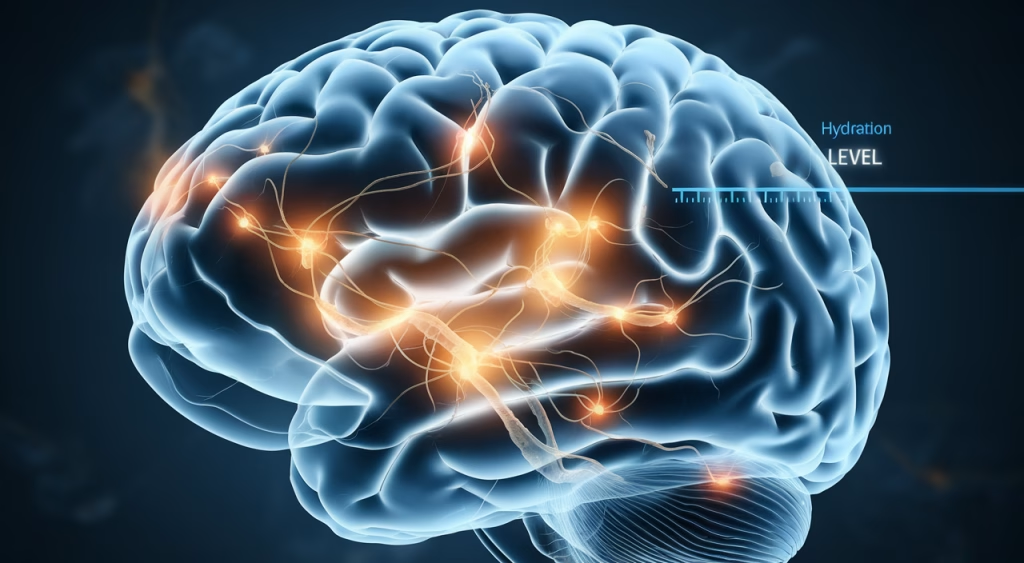
Your nervous system has two major modes: sympathetic (fight or flight) and parasympathetic (rest and digest). After eating, your brain activity shifts into the latter, triggering decreased alertness. Blood flow gets redirected from the brain and limbs to your gut, prioritizing digestion over mental sharpness. The result? Slowed cognitive function and a natural urge to rest.
This shift is subtle but significant. Think of it like dimming the lights in your office. You’re still there, but your body starts telling you it’s time to wind down—even when you have work to do.
Foods especially high in refined carbs or added sugars can exaggerate these brain activity changes. Blood sugar spikes, followed by rapid drops, are notorious for causing that mid-afternoon “crash” that leaves you reaching for more coffee.
Here’s what to watch for:
| Food Type | Brain Response | Energy Outcome |
|---|---|---|
| High-sugar foods | Rapid glucose spike then drop | Energy crash, drowsiness |
| High-fat meals | Slowed digestion, sedative effect | Post-meal lethargy |
| Balanced meals | Stable brain function | Steady energy |
Strategies to Combat Post-Meal Fatigue
Now let’s talk solutions. Thankfully, you don’t need to stop eating pasta to stay productive. Here are proven strategies to help you avoid that sleepy-after-eating fog and maintain steady energy levels:
1. Adjust Your Meal Composition
- Include lean protein to balance carbs and stabilize blood sugar levels.
- Choose whole grains over refined carbs for longer-lasting energy without crashes.
- Don’t overload on fat during the day—save heavier meals for dinner if possible.
2. Mind Your Portion Size
Big meal = big energy requirement to digest. Aim to eat until you’re satisfied, not stuffed. Think of your stomach as a gas tank—you want it just full enough to get to your next stop, not overflowing with fuel that drains your brain activity.
3. Eat at Consistent Times
Your body loves rhythm. Eating at erratic hours disrupts your internal clock and can amplify time-of-day drowsiness, making you wonder “why do I get sleepy after eating” more frequently.
4. Hydrate Well
Dehydration can intensify post-meal fatigue. A simple glass of water before or after a meal can make a noticeable difference in energy levels and mental clarity.
5. Take a Post-Meal Stroll
Even a brief 10-minute walk can help stimulate your central nervous system and counteract the parasympathetic slowdown that contributes to drowsiness.
6. Try These Best Foods for Sleepiness Support (Avoid During Work Hours)
- Turkey (high in tryptophan that promotes melatonin and serotonin production)
- Bananas (rich in magnesium and potassium)
- Cherries (natural melatonin source)
- Warm milk (combo of tryptophan and sleep-promoting peptides)
Cost Guide: What Eating Patterns Will Cost You (In Energy, Not Dollars)
| Meal Type | Energy Impact | Recovery Time |
|---|---|---|
| Heavy pasta & dessert | High post-meal fatigue | 60–90 minutes |
| Lean protein + salad + fruit | Moderate fatigue risk | 15–30 minutes |
| Balanced grain bowl + water | Low fatigue, steady energy | 10–15 minutes |
Conclusion
Feeling sleepy after eating isn’t your fault—it’s biology. But understanding the underlying causes, from hormones promoting sleepiness to changes in brain activity, empowers you to take control. By adjusting what, how, and when you eat, you can reclaim those hours lost to post-meal fatigue.
Want to stay focused and energized after lunch? Start by experimenting with smaller, more balanced meals, incorporate movement afterward, and avoid sugary or ultra-fatty foods during your peak activity times. Remember, the question “why do I get sleepy after eating” has science-backed answers—and science-backed solutions.
Frequently Asked Questions
Why do carbs make me sleepy?
Carbs increase insulin, which raises tryptophan levels in the brain—kickstarting serotonin and melatonin production. This hormonal chain contributes to drowsiness and explains why you get sleepy after eating carb-rich meals.
Is it normal to nap after eating?
Yes, especially after large or heavy meals when brain activity naturally slows. However, frequent daytime sleepiness may indicate imbalanced meals or poor sleep hygiene overall.
Are there foods that keep me more alert after eating?
Yes. Focus on high-protein, fiber-rich meals with healthy fats. Avoid large doses of sugar and refined carbs that trigger hormones promoting sleepiness.
Should I avoid eating before important meetings?
Try not to eat a large meal right before—you may feel groggy or sluggish due to reduced brain activity. Opt for a light, high-protein snack instead.
Does drinking coffee after meals help?
It can mitigate drowsiness short-term by counteracting the natural dip in brain activity, but it may interfere with digestion or disrupt your natural energy cycles if overused.
Is post-meal fatigue worse with age?
It often becomes more noticeable as metabolism slows with age and hormones promoting sleepiness have stronger effects. Making dietary adjustments can help mitigate this.
What time of day is best for a big meal?
Dinner or late afternoon may be better. Eating a heavy lunch can interfere with alertness needed during peak productivity by triggering melatonin and serotonin production when you need energy most.