What are the best foods to improve kidney health naturally?
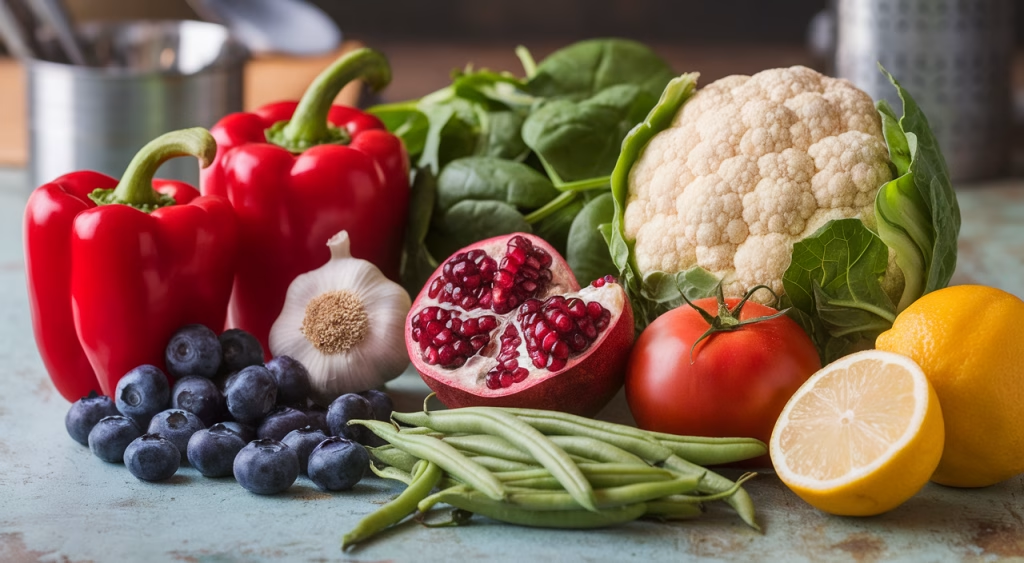
If you’re looking to protect your kidneys or support their function naturally, certain nutrient-rich foods to improve kidney health can provide powerful benefits—reducing inflammation, filtering toxins, and supporting blood pressure and red blood cell health.
TL;DR Summary:
- Red bell peppers: Low in potassium, high in vitamin C, A, and B6.
- Cabbage: Packed with fiber and phytochemicals, great for digestion and detox.
- Garlic: Detoxifies and reduces inflammation, lowers cholesterol levels.
- Onions: Contain antioxidants like quercetin, support low blood pressure.
- Berries: Full of antioxidants and anti-inflammatory compounds.
- Egg whites: High-quality protein with low phosphorus content.
- Fish (like salmon): Rich in omega-3s, reduces inflammation.
- Olive oil: Heart-healthy fat that reduces inflammation.
- Apples: High in fiber, stabilize blood sugar and reduce kidney strain.
- Cauliflower: Loaded with vitamin C, folate, and dietary fiber.
Red Bell Peppers: Colorful & Kidney-Protective Powerhouses
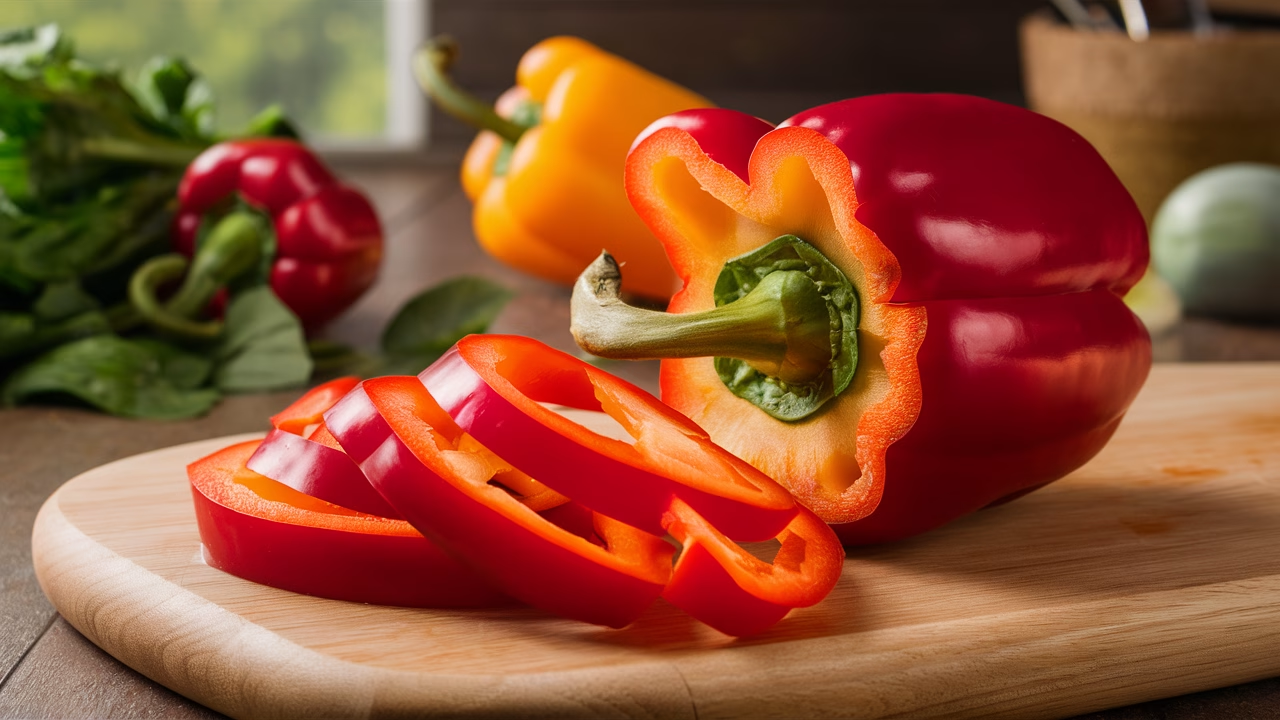
Red bell peppers aren’t just vibrant additions to your plate—they’re kidney-friendly heroes. Because they contain low levels of potassium, they’re ideal for anyone managing kidney conditions. But these foods to improve kidney health offer so much more.
These peppers are packed with vitamins A, B6, and C—nutrients known to protect the kidneys from oxidative stress and support immune health. Vitamin C, in particular, acts as a powerful antioxidant, aiding in toxin removal. Add in folic acid for cell regeneration and fiber for digestive support, and you’ve got a vegetable that’s working overtime for your wellness.
Cabbage: The Unsung Hero of Kidney-Friendly Greens
Often overshadowed by flashier vegetables, cabbage is a low-potassium, low-sodium green loaded with fiber and detoxifying phytochemicals. These compounds act like mini cleaning crews in your body, helping to eliminate toxins and reduce stress on your kidneys. With a healthy dose of vitamin C and K, cabbage supports immunity and blood clotting, making it perfect for salads, wraps, or stir-fries.
Garlic & Onions: Flavorful Allies in Kidney Defense
Garlic does more than bring your meals to life—it actively reduces inflammation and supports kidney detoxification. Its sulfur compounds and antioxidants help neutralize free radicals that damage kidney tissue. It may also help lower cholesterol levels, mitigating one risk factor for kidney disease.
Pair it with onions—which are rich in quercetin—and you’ve got a recipe for improved kidney defense. Onions are low in potassium and sodium, making them ideal for kidney-conscious diets. Plus, they add rich flavor without the need for excessive salt.
Berries: Sweet, Antioxidant-Rich Protection
Berries like blueberries, strawberries, and raspberries act like tiny shields for your kidney cells. Their deep colors come from anthocyanins—plant compounds with anti-inflammatory and antioxidant powers that make them exceptional foods to improve kidney health.
They’re also low in potassium and high in water, which supports kidney filtration and hydration. Whether frozen, fresh, tossed into oatmeal, or blended into smoothies, berries are a delicious way to give your kidneys a break.
Egg Whites: Clean Protein Without the Phosphorus
Protein is essential to maintain muscle and repair cells, but not all proteins are kidney-safe. Egg whites are among the cleanest protein sources you can eat, providing all the essential amino acids without the phosphorus found in yolks.
This balance makes egg whites ideal for anyone whose kidney function is compromised. Use them in omelets, salads, or even in smoothies.
Salmon & Other Oily Fish: Omega-3s for Inflammation
Fatty fish like salmon and mackerel are rich in omega-3 fatty acids. These fats aren’t just heart-friendly—they’re kidney-boosters that help lower inflammation and protect against high blood pressure, which is a major cause of kidney damage.
Just don’t overdo it—too much protein can also burden the kidneys. One to two servings per week is ideal for most people looking to incorporate kidney-friendly foods into their diet.
Olive Oil: Liquid Gold for Your Kidneys
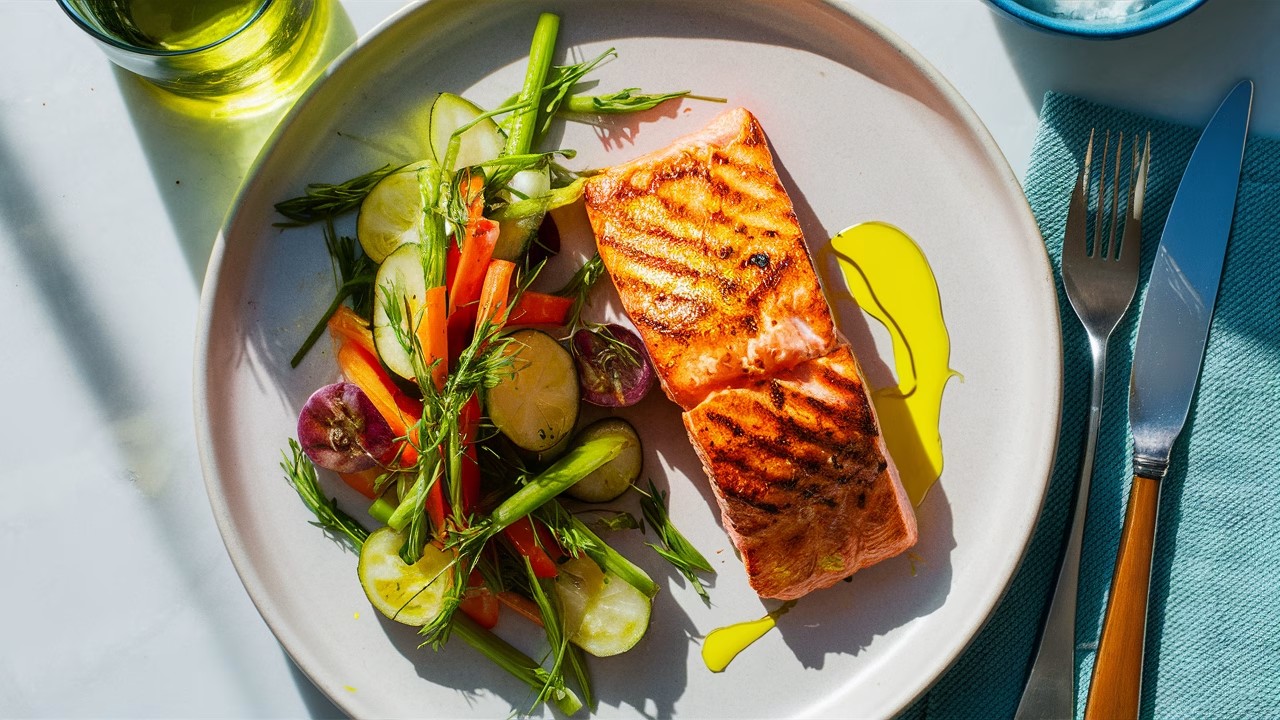
Swapping processed fats for olive oil is a small shift that pays big health dividends. Rich in monounsaturated fats, olive oil reduces bad cholesterol and, more importantly for kidneys, lowers inflammation throughout the body. Use it in salad dressings, drizzle it over roasted veggies, or add it to cooked grains for a heart- and kidney-smart meal.
How Tongue Position Affects Breathing: Simple Fixes for Better Sleep & Less Snoring
Apples: Sweet Support for Blood Sugar and Kidneys
An apple a day does more than keep doctors at bay—it supports your kidneys too. Thanks to their high fiber content, apples help control blood sugar spikes, reducing the strain damaged kidneys might endure. Antioxidants like quercetin and anti-inflammatory properties add another protective layer. Eaten fresh, baked, or stirred into oatmeal, apples make a smart, kidney-friendly snack.
Cauliflower: A Cruciferous Marvel
This versatile veggie shines as a low-potassium, high-fiber option ideal for kidney health. Cauliflower is rich in vitamin C and folate, which assist in red blood cell production and immune function. Fiber promotes healthy digestion and stable blood sugar—two vital aspects in preserving kidney health. Roasted, mashed, or crumbled into “rice,” cauliflower can easily replace higher-potassium starches in your meals.
| Food | Key Benefit | Why It Supports Kidney Health |
|---|---|---|
| Red Bell Peppers | Low potassium + high antioxidant | Vitamins A, C, B6 for kidney repair |
| Cabbage | Fiber + Phytochemicals | Flushes toxins and lowers inflammation |
| Garlic | Detoxification | Reduces cholesterol and systemic inflammation |
| Berries | High in antioxidants | Protects kidney tissues from oxidative damage |
| Egg Whites | High quality protein | Low phosphorus, kidney-safe amino acids |
Frequently Asked Questions
- What foods are hardest on kidneys?
Highly processed foods, salty snacks, red meats, and soda can strain your kidneys due to high phosphorus, sodium, and sugar content. - Can certain foods reverse kidney damage?
No food can reverse damage alone, but a diet rich in anti-inflammatory, antioxidant-rich foods can slow progression and support healing where possible. - Is drinking more water good for kidneys?
Yes. Staying well-hydrated supports filtration and helps clear toxins from the bloodstream more effectively. - Are high-protein diets bad for kidneys?
Excessive protein can burden compromised kidneys. Opt for moderate, high-quality protein sources like egg whites and fish instead. - Are bananas and oranges safe for kidney health?
They’re high in potassium. If your kidney function is impaired, you may need to limit them. Always check with a specialist. - Can herbs and spices help kidney health?
Yes. Turmeric, parsley, and ginger offer anti-inflammatory and detoxifying properties but should be used in moderation. - Should I avoid dairy for kidney health?
Dairy contains phosphorus and potassium. Moderation is key if you have kidney issues—choose lower phosphorus options and read labels carefully.