What Are the Proven Benefits of Slow Breathing?
Slow breathing—think 4 to 6 breaths per minute—has clinically demonstrated effects on your heart rate, blood pressure, nervous system, and stress levels. It’s not just something yogis or elite athletes use—this is a breath-based technique accessible to anyone, anytime, and the science says it works.
TL;DR: Why You Should Practice Slow Breathing
- Supports heart health: Slow breathing synchronizes heart rate variability (HRV), helping regulate cardiovascular function and optimize your heart rate naturally.
- Reduces stress: Activates your parasympathetic “rest and digest” system, leading to noticeable calmness and improved stress reduction.
- Improves blood pressure control: Regular practice may reduce arterial pressure and aid in hypertension management through proven physiological effects.
- Boosts athletic performance: More efficient oxygen use improves endurance and recovery from exertion using targeted breathwork techniques.
- Accessible daily habit: Integrating slow breathing takes less than 10 minutes and requires no tools or apps.
The Science Behind Slow Breathing
Understanding the Physiological Effects
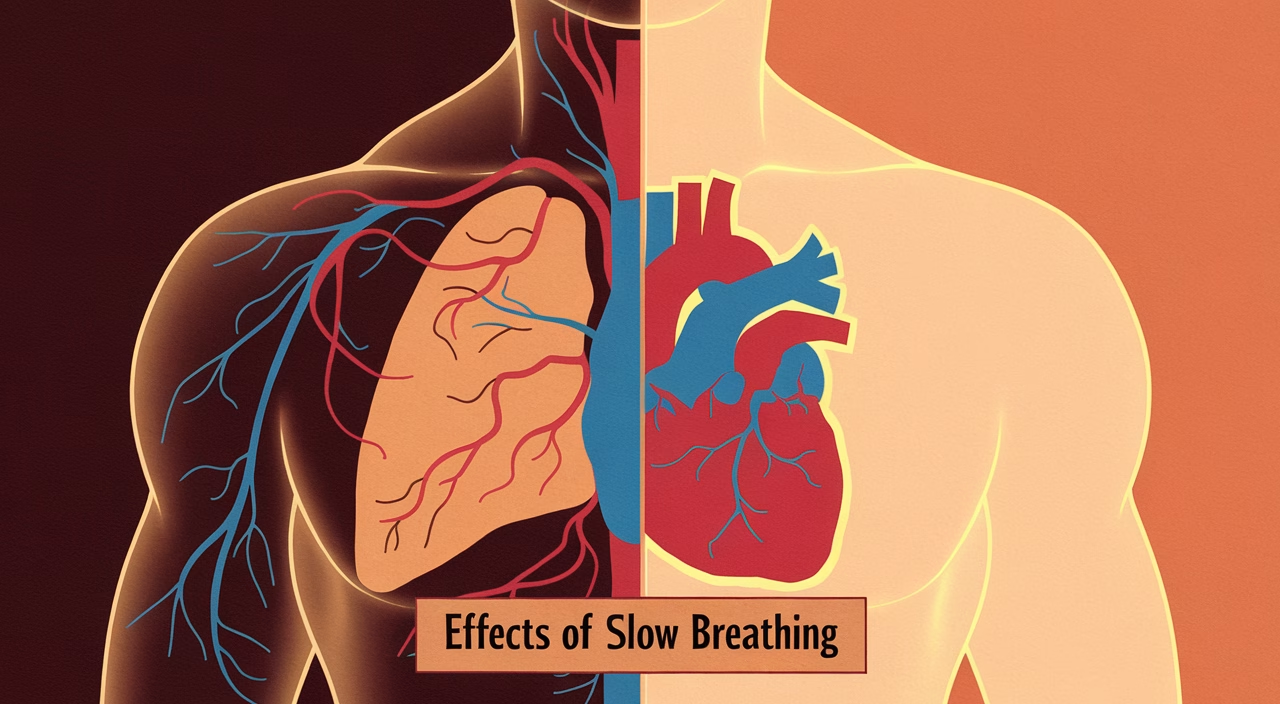
Let’s start with the basics. When you slow your breath, something remarkable happens inside your body. Every inhale and exhale isn’t just exchanging oxygen and carbon dioxide—it’s communicating directly with your nervous system. Specifically, it stimulates the vagus nerve, which governs the parasympathetic nervous system (think: calm and recovery mode).
Studies have shown that the physiological effects of slow breathing directly influence:
- Decreased sympathetic nervous system activity (your body’s stress response)
- Increased parasympathetic tone (rest and repair mode)
- Improved oxygen-carbon dioxide balance
This shift directly links to better emotional regulation, reduced reactivity, and longer-term resiliency against stressors. It’s like installing your own internal brake system that you can activate with simple breathwork techniques.
Impact on Heart Rate and Blood Pressure
Your heart doesn’t beat like a metronome—it’s highly responsive to your breath. With slow breathing, your heart rate rises slightly during inhalation and falls during exhalation. This natural modulation is called respiratory sinus arrhythmia and is a sign of a healthy, responsive nervous system.
What’s more, sustained slow breathing has been shown to measurably reduce arterial blood pressure. In fact, many researchers advocate for breath-regulated therapy as a non-pharmacological intervention for hypertension, making it one of the most accessible ways to improve blood pressure naturally.
Here’s what often happens in practice: people adopt a simple breathing technique (more on that below), and within a few weeks, they report lower resting heart rates, better sleep, and reduced emotional reactivity.
Benefits of Slow Breathing
Stress Reduction and Relaxation
The link between breath and stress relief isn’t just anecdotal—it’s biological. Your breath is the fastest, most accessible way to downshift from fight-or-flight into rest-and-digest mode. Each slow breath you take sends signals to your brain and body: “We’re safe. We can slow down.”
Research on the benefits of slow breathing for stress relief shows measurable reductions in cortisol (the stress hormone) and increased alpha brain wave activity, which is associated with calm alertness. That’s why meditation, yoga, and prayer all emphasize slowed, rhythmic breathing—they work because they tap into ancient autonomic circuits for calm through proven physiological effects.
Here’s a real-world example: We recently worked with a corporate exec dealing with anxiety-related sleep issues. After introducing ten minutes of slow breathing before bedtime, she reported fewer midnight wakeups and overall better focus during stressful meetings. The stress reduction benefits became noticeable within just one week.
Enhanced Athletic Performance
For athletes, breath is performance fuel. Controlled, slow breathing not only enhances oxygen efficiency but regulates lactic acid buildup, improves recovery, and facilitates mental resiliency through targeted breathwork techniques.
By practicing slow breathing—particularly nasal breathing during aerobic effort—athletes can delay fatigue, maintain focus, and activate rest mechanisms faster post-training. A common protocol we use with runners and cyclists is layered diaphragmatic breathing combined with cadence-based breath cycles. Over time, their perceived exertion drops, recovery improves, and heart rate variability increases significantly.
How to Practice Slow Breathing
Techniques for Beginners
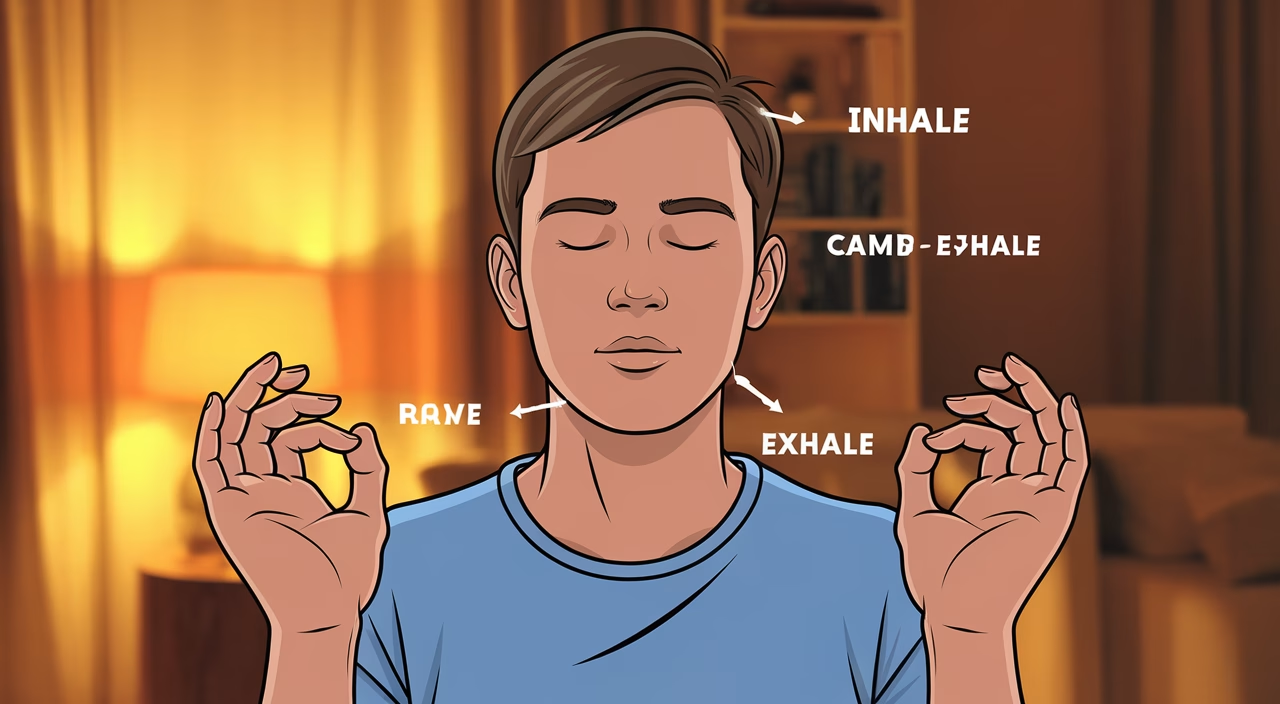
If you’re new to breathwork techniques, start simple. Slow breathing doesn’t require perfection—only patience and consistency. Here’s one of our favorite beginner-friendly approaches that delivers immediate physiological effects:
The 4-6 Technique (Also Known as Coherent Breathing)
- Inhale gently through your nose to a slow count of 4-6 seconds.
- Exhale softly through your nose or mouth for the same 4-6 seconds.
- Repeat for 5 to 10 minutes per session.
- Use a timer or follow an app, but consistency matters more than gadgets.
Physiologically, you’ll notice your body beginning to relax within 90 seconds of practice. In time, you may be able to lower your blood pressure and heart rate after just a few cycles using this simple breathwork technique.
| Technique | Breath Cycle | Best For |
|---|---|---|
| Box Breathing | Inhale-Hold-Exhale-Hold, 4sec each | Anxiety, mental clarity |
| 4-6 Breathing | Inhale 4-6 sec, Exhale 4-6 sec | Heart rate control, sleep prep |
| 1:2 Ratio Breathing | Inhale 4 sec, Exhale 8 sec | Deep relaxation, vagal tone |
Incorporating Slow Breathing into Daily Life
It’s one thing to understand technique, but the magic happens through integration. Here are ways to sneak breathwork techniques into your regular routine for maximum stress reduction and heart rate benefits:
- Morning Routine: 5 minutes of 4-6 breathing before coffee or emails to set the tone for the day and activate positive physiological effects.
- Commute Reset: Use traffic stoplights as cues to do two slow breaths for instant stress reduction.
- Desk Drills: Every hour, pause and do 60 seconds of nasal slow breathing to reset your focus and regulate heart rate.
- Workout Warm-up/Cool-down: Add 3 minutes of controlled slow breathing post-run or lift for enhanced recovery and improved blood pressure.
- Evenings: Try breath-based meditation or light humming breath to lower nighttime tension before sleep through breathwork techniques.
In truth, once you feel the physiological effects that slow breathing creates, you’ll reach for it before meetings, workouts, or even difficult conversations. Over time it becomes less a technique and more a way of being that naturally supports stress reduction and heart rate optimization.
Conclusion: Final Thoughts on Slow Breathing
Slow breathing isn’t a trendy wellness fad—it’s a biologically rooted, research-supported, transformational practice. From enhancing cardiovascular health and reducing stress to powering athletic performance through proven physiological effects, its versatility and accessibility make it a must-have in your daily health toolkit.
By learning to breathe with intent using these breathwork techniques, you’re not just managing symptoms. You’re signaling safety to your body, cultivating mental clarity, and building deep resilience while naturally improving your heart rate variability and blood pressure. The breath waits for no one—but once mastered, it opens a calm, powerful space within you that’s always accessible.
Frequently Asked Questions
- What is the best breathing rate for slow breathing?
- Typically, the ideal slow breathing rate is between 5 to 6 breaths per minute, which helps optimize heart and nervous system regulation.
- Can slow breathing lower blood pressure?
- Yes, regular slow breathing practice can activate the parasympathetic nervous system and significantly lower both systolic and diastolic blood pressure over time.
- How long should I practice slow breathing daily?
- Start with 5–10 minutes per day and gradually increase as it becomes more comfortable and habitual.
- Can athletes really benefit from slow breathing techniques?
- Absolutely. Many athletes use slow breathing to improve endurance, concentration, and recovery rates after training or competition.
- Is slow breathing safe for people with health issues?
- In most cases, yes. However, those with severe respiratory or cardiovascular conditions should consult a healthcare provider before beginning any new breathwork regimen.
- What time of day is best for slow breathing?
- Mornings and evenings are ideal for parasympathetic tone shifts, but any time you need calm or focus is a good time to practice.
- Do I need any equipment or apps for breathwork?
- No. While apps and timers can help beginners, all you really need is your breath and a quiet space—even if it’s your car or bathroom.