
How does tongue position affect your breathing?
Your tongue position affects breathing more than you might realize. When your tongue sits too low, too far back, or lacks proper muscle tone, it can partially block your airway—leading to breathing difficulties, persistent snoring, or even contributing to sleep apnea episodes.
TL;DR:
- Tongue position directly impacts how openly and efficiently you breathe—especially during sleep when muscles relax.
- Poor tongue posture creates airway obstruction and increases risks of sleep apnea, chronic snoring, and dental complications.
- Targeted exercises from oral myofunctional therapy can dramatically improve your tongue positioning and breathing quality.
- Children with chronic mouth breathing or poor oral posture benefit tremendously from early intervention and habit correction.
- Speech therapists, ENT specialists, or myofunctional therapists can evaluate your specific needs and guide proper treatment.
Understanding the Basics of Tongue Posture
If you’ve never considered what your tongue does when you’re not talking or eating, you’re missing a crucial piece of your breathing health puzzle. Proper tongue posture means your tongue rests gently against the roof of your mouth—specifically touching the hard palate just behind your front teeth—with your lips sealed and breathing done primarily through your nose.
This optimal resting position supports your entire oral structure, helps maintain an open airway, and plays a critical role in facial development—particularly in growing children. When your tongue consistently rests too low in your mouth, it can cause or worsen breathing difficulties by gradually altering your jaw shape and narrowing your nasal airways over time.
Think of your tongue as a natural “retainer” or architectural support beam. When it sits in the correct position, it encourages a beautifully arched palate and optimal airflow. But when it slouches down like a hammock with loose ropes, your oral structures begin collapsing inward. Airflow becomes restricted. Night-time breathing gets disrupted. Then comes the snoring—or more seriously, sleep apnea.
Tongue Position and Airway Obstruction
When it comes to nasal versus mouth breathing, every millimeter of airway space matters. A low or retracted tongue position affects breathing by pressing against the soft tissue at the back of your throat, creating partial airway obstruction—especially problematic when you’re lying down at night and your muscles naturally relax.
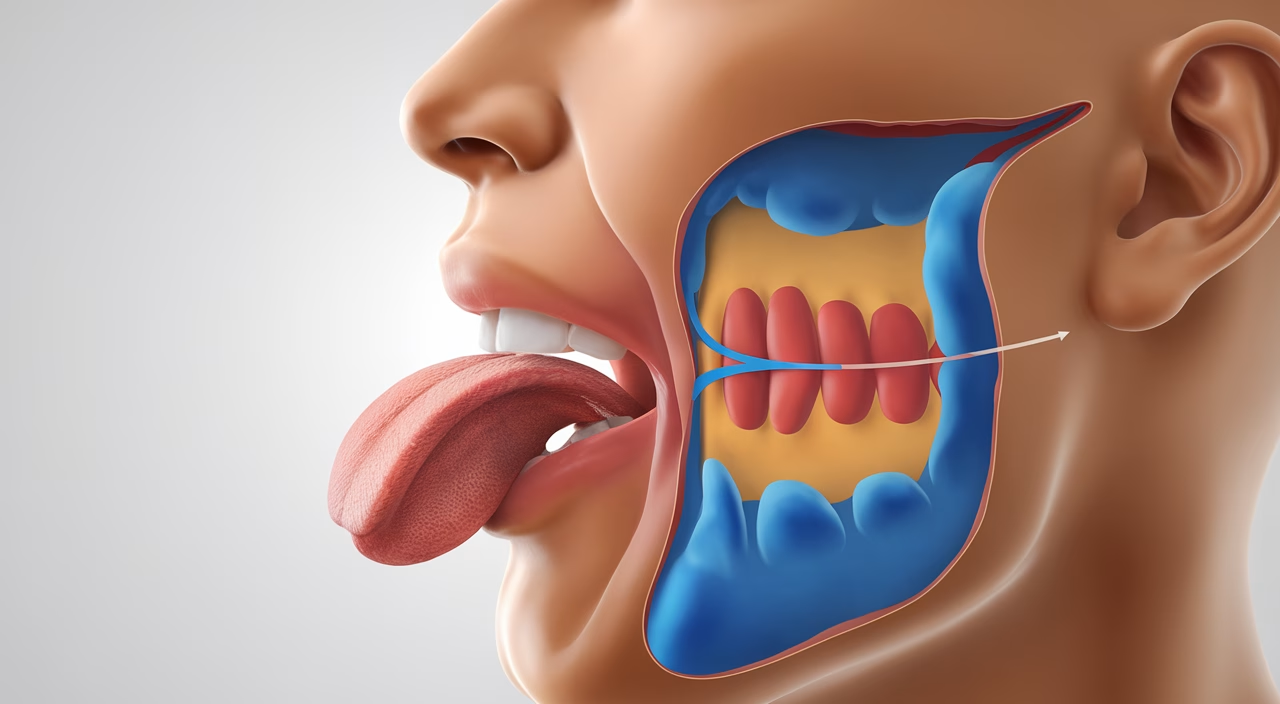
The Mechanical Chain Reaction
Here’s how poor tongue posture creates breathing difficulties:
- Low tongue posture allows your soft palate to drop and sag.
- This significantly reduces space in your oropharynx (the crucial part of your throat for airflow).
- That increased airway resistance directly leads to snoring and potentially dangerous breath interruptions during sleep.
It’s like trying to breathe through a kinked garden hose—you’ll experience reduced airflow and inconsistent oxygen delivery. Similarly, poor tongue position adds unnecessary resistance to your natural breathing mechanics.
The Relationship Between Tongue Position and Sleep Apnea
Obstructive sleep apnea (OSA) occurs when your breathing repeatedly stops and starts during sleep. One major contributor is exactly what we’re discussing: your tongue falling backward into your throat and blocking your airway during sleep.
Research and clinical experience consistently show that poor tongue posture strongly correlates with higher rates of sleep apnea—affecting not just adults, but increasingly children too. The encouraging news? This relationship works both ways. With proper exercises and interventions, you can retrain your tongue to rest in a healthier position and significantly improve your breathing quality.
Improving Breathing Through Tongue Exercises
If your tongue’s resting position is contributing to breathing difficulties, you can absolutely correct this with oral myofunctional therapy (OMT). This specialized approach uses targeted exercises designed to strengthen your tongue, lips, and facial muscles. Think of it as physical therapy specifically for your mouth and breathing system.
Effective Exercises for Tongue Positioning and Breathing
| Exercise | How It Helps |
|---|---|
| Tongue Slides | Promotes awareness of proper tongue position |
| Nasal Breathing Drills | Reinforces lip seal and nasal breathing patterns |
| Suction Hold | Strengthens the back of the tongue |
| Soft Palate Elevators | Improves throat space and reduces snoring |
Consistency makes all the difference with these breathing improvement exercises. Just like you wouldn’t expect muscle gains from one gym session, these oral myofunctional therapy techniques require daily practice. Most people notice significant improvements in their breathing quality and reduced snoring after 6–12 weeks of committed practice.
For Parents: Monitoring Tongue Development in Children
Children’s facial and airway development depends heavily on proper tongue position. As a parent, monitoring your child’s oral habits can be far more important for their long-term health than you might realize.

Signs of Unhealthy Tongue Posture in Kids
- Persistent mouth breathing while sleeping or awake
- Open mouth posture throughout the day
- Frequent snoring or restless, disrupted sleep
- Speech delays or persistent articulation errors
- Misaligned teeth or noticeably narrow palate
When left unaddressed, these warning signs may contribute to permanent structural changes in your child’s face, poor nighttime oxygenation, and even behavioral concerns like inattention or hyperactivity that stem from poor sleep quality.
Introducing early oral myofunctional therapy can help redirect your child’s development toward healthier breathing patterns and proper facial growth. Speech therapists often work closely with orthodontists and ENT specialists when guiding pediatric cases for optimal results.
Seeking Professional Help for Breathing Issues
If you suspect your tongue position is negatively affecting your breathing—whether you’re struggling with chronic sinus issues, persistent snoring, or waking up gasping for air—seeking professional guidance is crucial for your health and sleep quality.
Who to Consult
- ENT specialists (Ear, Nose, and Throat doctors) – Evaluate for structural airway issues and breathing difficulties
- Speech-language pathologists with OMT training – Design customized exercise plans for tongue posture improvement
- Orthodontists – Assess jaw structure and provide supportive interventions as needed for airway health
Cost Guide
| Service | Low-End | Mid-Range | High-End |
|---|---|---|---|
| Oral Myofunctional Therapy (Per Session) | $60 | $100 | $180+ |
| Sleep Study (Outpatient) | $250 | $500 | $1200+ |
| ENT Consultation | $80 | $150 | $300+ |
Final Thoughts: Tiny Shifts, Major Breath
Dramatically improving your breathing quality could be as simple as retraining where your tongue rests. Most people completely overlook this quiet but powerful muscle, yet its influence reaches deep into your airway function, sleep quality, and overall facial health. By understanding and optimizing your tongue posture, you’re not just investing in easier breathing—you’re embracing a holistic approach to better health that can transform your nights and energize your days.
Frequently Asked Questions
- What is the ideal resting tongue position? The tip and body of the tongue should rest against the roof of your mouth, with lips closed and breathing through the nose.
- Is poor tongue posture reversible? Yes, with oral myofunctional exercises and consistency, tongue posture can be significantly improved.
- Can children outgrow poor tongue posture? Not always. Without intervention, poor posture can persist, affecting breathing and facial development.
- Is mouth breathing always related to tongue posture? Not always, but it can be a major contributing factor when the tongue rests low or backward.
- How long does it take to correct tongue posture? Most people see improvement in 2–3 months with regular, guided practice.
- Can improper tongue posture cause snoring? Yes, a low or backward-tipped tongue can obstruct airflow and lead to snoring.
- Do I need a professional diagnosis? A consultation with a speech therapist, ENT, or myofunctional therapist helps you know where you stand and what steps to take.