
What causes painful scalp arteries in migraines and how can you find relief?
The throbbing pain you feel across your scalp during a migraine—especially around your temples or behind your ears—happens when your scalp arteries dilate and become inflamed. These superficial arteries, particularly the temporal artery, react strongly to the vascular changes that occur during migraine episodes. For many people experiencing migraines, especially women, this scalp artery pain can be just as debilitating as the headache itself. Understanding why this happens is your first step toward effective relief and prevention.
TL;DR: Quick Relief Guide for Painful Scalp Arteries in Migraine
- Scalp artery pain during migraines occurs when surface arteries dilate due to inflammation and common migraine triggers like stress, hormones, or sleep disruption.
- Women with migraines often experience more severe scalp tenderness due to hormonal fluctuations and hair-related tension from tight hairstyles.
- Natural relief for scalp artery pain includes targeted scalp massage, cold therapy, magnesium supplementation, and gentle compression techniques.
- During migraine attacks, focus on reducing sensory stimuli while using vasoconstrictive methods like caffeine and proper hydration to minimize artery dilation.
- Between migraine episodes, maintain consistent sleep patterns, avoid known food triggers, and eliminate hair tension around your temple areas.
Understanding Scalp Artery Pain in Migraines
When you experience that characteristic pulsing sensation across your scalp during a migraine, it’s actually your scalp’s superficial arteries responding to changes in blood flow and inflammation. These arteries are incredibly sensitive to the vascular fluctuations that define migraine episodes, creating pain both during active attacks and sometimes between them.
The painful scalp arteries you feel near your temples, behind your ears, or along the top of your head are typically your temporal, occipital, and posterior auricular arteries. During migraines, these vessels dilate significantly, which irritates the surrounding nerves and pain receptors. This vascular expansion amplifies the throbbing discomfort that can extend far beyond your primary headache location.
If you’re a woman experiencing migraines, you’re particularly susceptible to scalp artery pain due to estrogen fluctuations that increase vascular sensitivity. Additionally, common hair practices like tight ponytails, braids, or heavy hair accessories can create mechanical tension that worsens this symptom significantly.
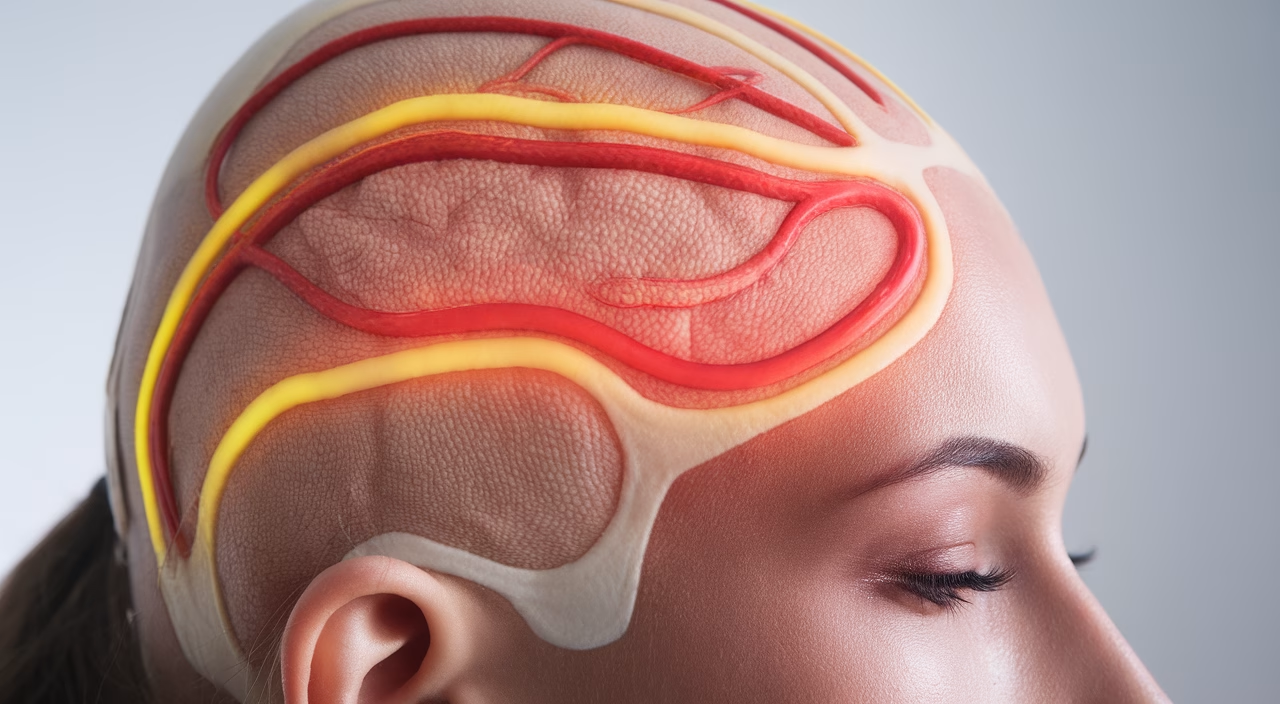
Primary Causes and Triggers of Scalp Artery Pain
Identifying what triggers your scalp artery pain is essential for both immediate relief and long-term prevention. Here are the key factors that contribute to painful scalp arteries during migraines:
| Cause | How It Affects Your Scalp Arteries |
|---|---|
| Vasodilation | During migraine attacks, your blood vessels widen dramatically, especially superficial arteries, creating that characteristic pulsating pain. |
| Inflammation | Your trigeminal nerve releases inflammatory compounds that sensitize both blood vessels and nerve endings throughout your scalp. |
| Hormonal Changes | Estrogen fluctuations in women increase vascular reactivity, making scalp arteries more sensitive, especially around menstruation. |
| Mechanical Tension | Tight hairstyles create continuous pressure along your temporal arteries, often triggering or intensifying migraine-related pain. |
| Stress Response | Elevated cortisol levels affect your sympathetic nervous system, disrupting normal scalp blood flow patterns. |
Managing Scalp Artery Pain During Active Migraine Episodes
When you’re in the middle of a migraine attack with painful scalp arteries, these immediate relief techniques can help reduce your discomfort and speed recovery:
- Gentle Scalp Compression: Apply a soft headband or wrap around your temples to provide counter-pressure against dilated arteries. This creates a ‘stabilizing’ effect that many people find immediately soothing.
- Cold Therapy Application: Place a cold compress over your temples and occipital area for 15-minute intervals. The cold helps constrict dilated vessels and reduces inflammation.
- Cooling Aromatherapy: Rinse your hair with cool water mixed with diluted peppermint or lavender oil to cool your scalp and reset overstimulated sensory nerves.
- Optimal Positioning: Lie down with proper neck support to promote healthy blood flow and reduce pressure on your scalp arteries.
During intense migraine episodes, minimize sensory triggers that can worsen scalp artery pain: dim your lights, eliminate loud sounds, and put your devices on silent mode. Creating this calm environment gives your vascular system the opportunity to stabilize and begin recovery.
Lifestyle Modifications to Prevent Scalp Artery Discomfort
Between your migraine attacks, strategic lifestyle changes can significantly reduce the likelihood of painful scalp artery episodes. These preventive measures work by maintaining vascular stability and reducing triggers:
- Migraine-Friendly Hair Care: Avoid hairstyles that create tension around your temples—tight ponytails, high buns, or braided styles can chronically irritate your scalp arteries. Choose loose, comfortable styles that don’t pull on sensitive areas.
- Daily Scalp Care Routine: Use your fingertips to gently massage your scalp in circular motions while practicing deep breathing. This promotes healthy circulation and reduces muscular tension.
- Hydration and Magnesium Support: Maintain consistent hydration levels and consider magnesium supplementation, as both support healthy vascular tone and reduce hypersensitivity to migraine triggers.
- Consistent Sleep Schedule: Irregular sleep patterns cause cortisol fluctuations that can trigger vascular hypersensitivity. Maintain regular bedtime and wake times to stabilize your system.
- Strategic Caffeine Use: While caffeine can help constrict blood vessels during migraine attacks, be mindful of overuse, which can lead to rebound headaches and increased scalp sensitivity.
Cost Guide for Migraine Relief Aids
| Tool | Low-End | Mid-Range | High-End |
|---|---|---|---|
| Cold Compress Cap | $10 | $25 | $50+ |
| Scalp Massage Devices | $7 | $20 | $45 |
| Essential Oils | $5 | $15 | $35 |
| Magnesium Supplements | $10 | $25 | $40 |
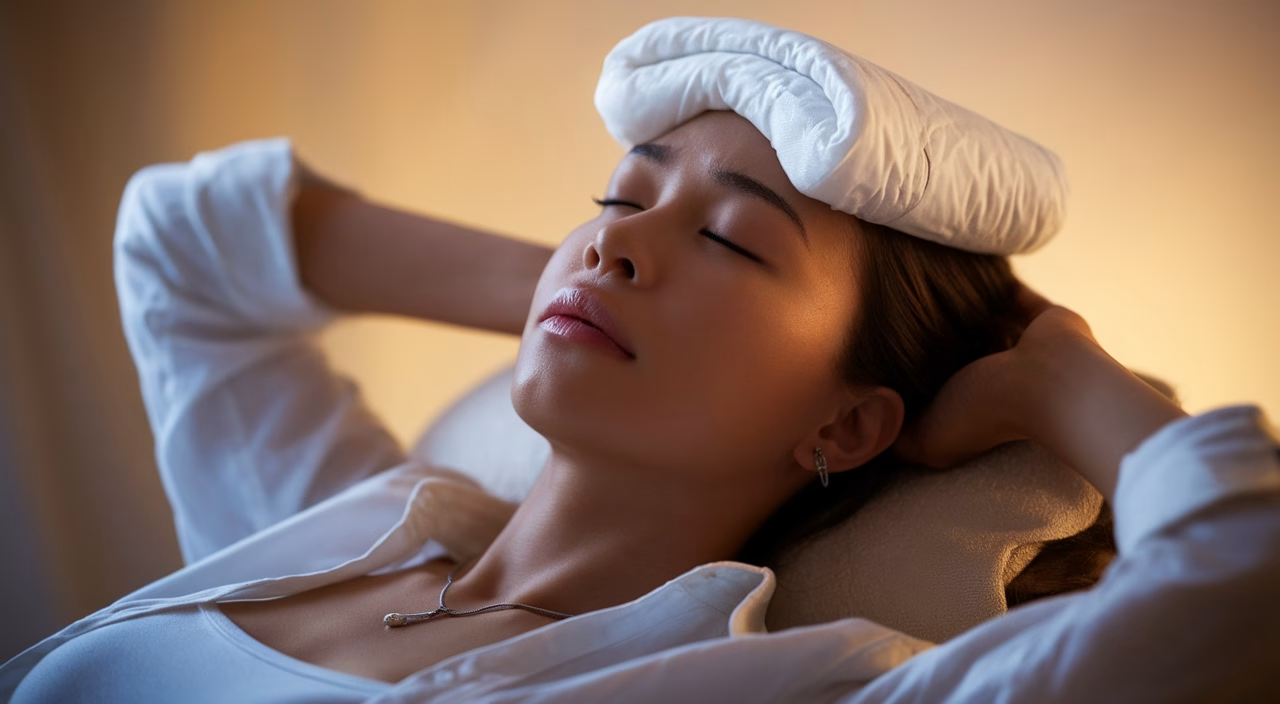
Female-Specific Strategies for Scalp Artery Pain Relief
Women experience migraines and scalp artery pain at higher rates due to hormonal influences and lifestyle factors. Here are targeted approaches that address these unique challenges:
Evidence-based strategies for women with migraine-related scalp artery pain:
- Hormonal Pattern Tracking: Monitor when your scalp artery pain occurs in relation to your menstrual cycle. Understanding your pattern helps you anticipate and prevent episodes with preemptive hydration and rest.
- Hormone-Sensitive Headwear: During hormonal fluctuation periods, avoid any compressive accessories around your head. Give your sensitive scalp arteries room to function without additional pressure.
- Menstrual Phase Magnesium: Increase your magnesium intake in the week before menstruation to reduce vascular reactivity and minimize scalp sensitivity during hormonal drops.
- Vascular-Supporting Nutrition: Include foods rich in omega-3 fatty acids, magnesium, and B vitamins—like leafy greens, avocado, and flaxseeds—to support stable hormone levels and reduce vascular inflammation.
Managing scalp artery pain as a woman requires awareness of both your migraine patterns and your hormonal cycles. By understanding how these systems interact, you can develop a personalized prevention strategy that addresses your unique triggers and reduces painful episodes.
Frequently Asked Questions
Why do I hold tension in my scalp?
Scalp tension typically develops from chronic stress, tight hairstyles, poor posture, or hormonal fluctuations that increase your scalp’s vascular sensitivity. Managing this tension requires both immediate relief techniques like massage or cold therapy, and lifestyle modifications such as stress reduction, improved hydration, and natural hormone balance support.
How does scalp artery pain differ from regular headache pain?
Scalp artery pain feels like surface-level tenderness or pulsing directly on your skin, typically concentrated around your temples or occipital areas. Unlike deeper headache sensations, this pain is directly related to blood flow changes in your superficial arteries and often feels tender to touch.
Can changing my hairstyle help reduce migraine scalp pain?
Absolutely. Hairstyles that create tension around your temple areas can stress the underlying arteries and nerve endings, triggering or worsening scalp artery pain. Switching to looser hairstyles can provide significant relief, especially for women who frequently experience this symptom.
Is it normal to feel swollen or throbbing arteries during a migraine?
Yes, this is a common migraine symptom. During the vasodilation phase of migraines, your superficial scalp arteries can feel warm, swollen, or tender when touched. This occurs because inflammatory compounds irritate your arterial walls, making them more sensitive and prominent.
What natural supplements reduce scalp sensitivity in migraineurs?
Magnesium, riboflavin (B2), and CoQ10 have research support for regulating vascular reactivity and reducing nerve hypersensitivity in people with migraines. Always consult with your healthcare provider before starting new supplements to ensure they’re appropriate for your situation.
Do painful scalp arteries indicate more severe migraines?
Not necessarily. Scalp artery pain indicates a strong vascular component to your migraine pattern, but it doesn’t correlate directly with severity. However, it’s valuable information to discuss with your neurologist for developing a more targeted treatment approach.
Can painful scalp arteries occur without a headache?
Yes. This can happen during interictal periods—the time between active migraine episodes. Even when you don’t have a full migraine, underlying vascular and nerve sensitivity can still cause scalp artery pain. Maintaining preventive care and healthy lifestyle habits is especially important during these periods.