

Can certain foods really help reduce allergy symptoms naturally?
Yes. Specific foods contain compounds that naturally reduce inflammation, stabilize immune responses, and help your body better cope with allergens—without the side effects of medications. Think of them as nature’s antihistamines hiding in your fridge.
TL;DR:
- Quercetin-rich foods like onions and apples act like natural antihistamines.
- Fatty fish provides omega-3s that reduce overall inflammation.
- Ginger and turmeric soothe respiratory symptoms and immune overreactions.
- Citrus fruits deliver vitamin C, which helps break down histamines.
- Local honey may desensitize your immune system to pollen over time.
- Green tea with EGCG fights inflammation and histamine production.
- Probiotic-rich foods like yogurt balance gut health, impacting immune responses.
- Leafy greens reduce inflammation and support lung function.
- Garlic boosts immunity and reduces histamine naturally.
- Consistency is key—build an anti-inflammatory diet over weeks for best results.
Hands Going Numb While Sleeping? 7 Proven Causes & Instant Relief Solutions
Why Your Allergies Might Be Worse Than Ever—and How Diet Can Help
Ever wonder why a simple spring breeze triggers a full-blown sneeze attack or why your eyes seem to leak like open faucets when you’re just taking a walk? Allergies, as frustrating and mysterious as they feel, are actually your immune system mistaking harmless stuff—like pollen or pet dander—for dangerous invaders. It fights back with natural allergy symptoms, often to your discomfort.
But here’s the silver lining: many anti-allergy foods can help you calm that reflex. Think of your daily diet as a way of whispering to your immune system, “Relax, it’s just a tree.” The right foods contain powerful bioactive compounds—like quercetin, curcumin, and essential fatty acids—that reduce histamines (those chemicals responsible for swelling, itching, and sneezing) and regulate immune response naturally.
You’re not alone in wanting natural relief answers. Let’s explore nature’s allergy fighters hiding in your kitchen.
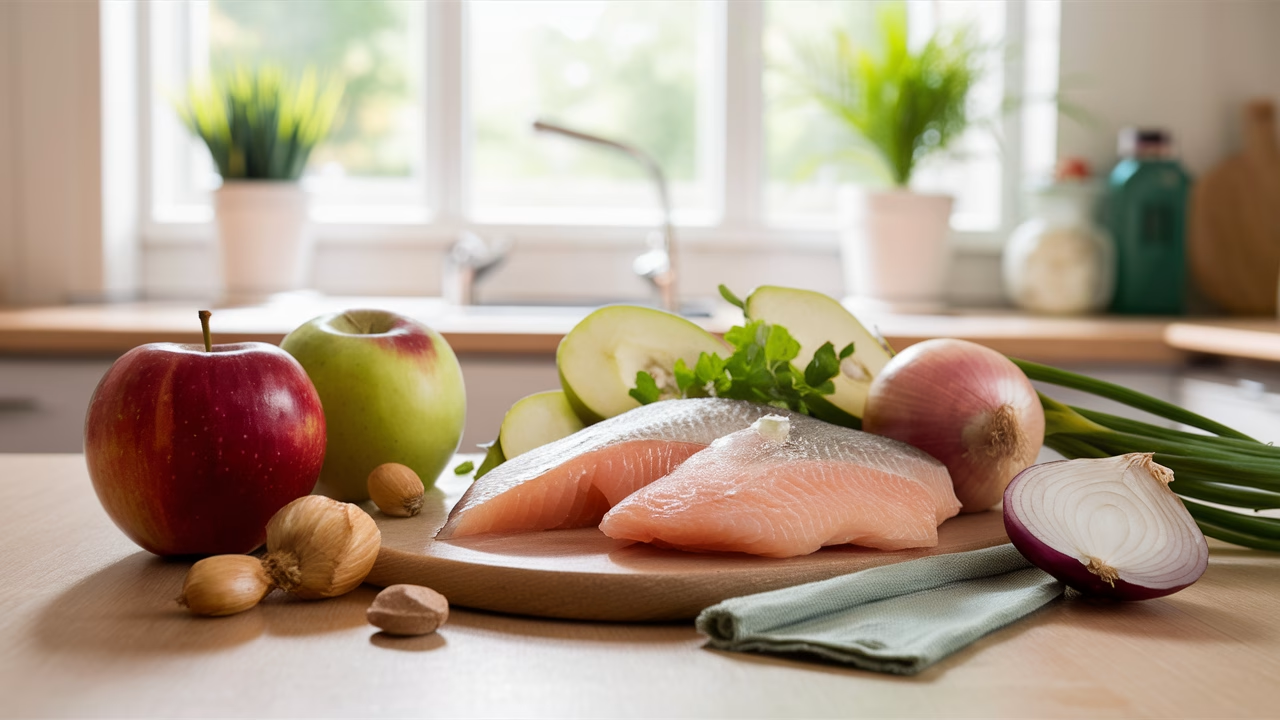
Quercetin Foods: Natural Antihistamines Hiding in Plain Sight
Quercetin is a plant flavonoid that stabilizes mast cells—the tiny troublemakers that release histamine during allergic reactions. Unlike over-the-counter antihistamines, quercetin comes without drowsiness or dry mouth and provides additional antioxidant benefits for natural allergy relief.
Where to Find It:
- Onions (especially red): Packed with quercetin, they’re most potent when raw and provide excellent immune support.
- Apples: The skin holds most of the quercetin. Snack on them fresh or add slices to salads for anti-allergy benefits.
Pro tip: Try red onion finely chopped into your salad or salsa. If raw feels too intense, lightly sauté to preserve natural relief benefits.
Inflammation-Fighting Warriors: Omega-3 Rich Foods
When your body encounters allergens, it often overreacts with inflammation. That’s where omega-3 fatty acids come in, like gentle firefighters putting out immune system overblazes. EPA and DHA, found in fatty fish, have been shown to lower allergy sensitivity and reduce airway swelling for natural allergy relief.
Top Picks for Anti-Allergy Benefits:
- Salmon, sardines, mackerel – try grilled or baked for optimal immune support benefits.
- Walnuts and flaxseeds – plant-based alternatives with ALA, another helpful omega-3 for natural relief.
| Source | Key Benefit |
|---|---|
| Salmon | High EPA/DHA content combats systemic inflammation |
| Flaxseed | Great for plant-based diets, lowers reactive oxygen species |
| Walnuts | Support cardiovascular and immune systems |
Spices That Soothe: Ginger and Turmeric for Upper Respiratory Relief
If you’ve ever had a hot cup of ginger tea during a cold, you’ve likely felt its power. But ginger isn’t just for sore throats—it’s a natural anti-inflammatory with antihistamine properties that reduce nasal congestion and provide natural allergy relief through its immune support compounds.
Meanwhile, turmeric’s star compound, curcumin, has been used for centuries in Ayurvedic medicine for its ability to lower inflammatory enzyme activity associated with allergy symptoms, making it one of the most effective anti-allergy spices.
- Ginger: Add to smoothies, stir-fries, or steep into soothing tea for natural relief.
- Turmeric: Make golden milk with turmeric and black pepper (to boost absorption) for powerful immune support.
Immune-Boosting All-Stars: Citrus Fruits and Local Honey
Your allergy symptoms could decrease by simply reducing the histamine load in your system through natural relief methods. Citrus fruits, with their sky-high Vitamin C content, help your body break down histamines and strengthen its immune intelligence for better anti-allergy defense.
And if you’re constantly battling seasonal allergies, local raw honey may gently train your immune system to tolerate native pollen over time—like providing natural allergy relief through gradual immune support.
Smart Add-ins for Natural Relief:
- Lemon water in the morning kick-starts digestion and adds Vitamin C for immune support.
- Grapefruit and oranges are perfect mid-morning snacks packed with anti-allergy compounds.
- Honey should be pure, raw, and local for maximum natural allergy relief—never give to infants under one year.
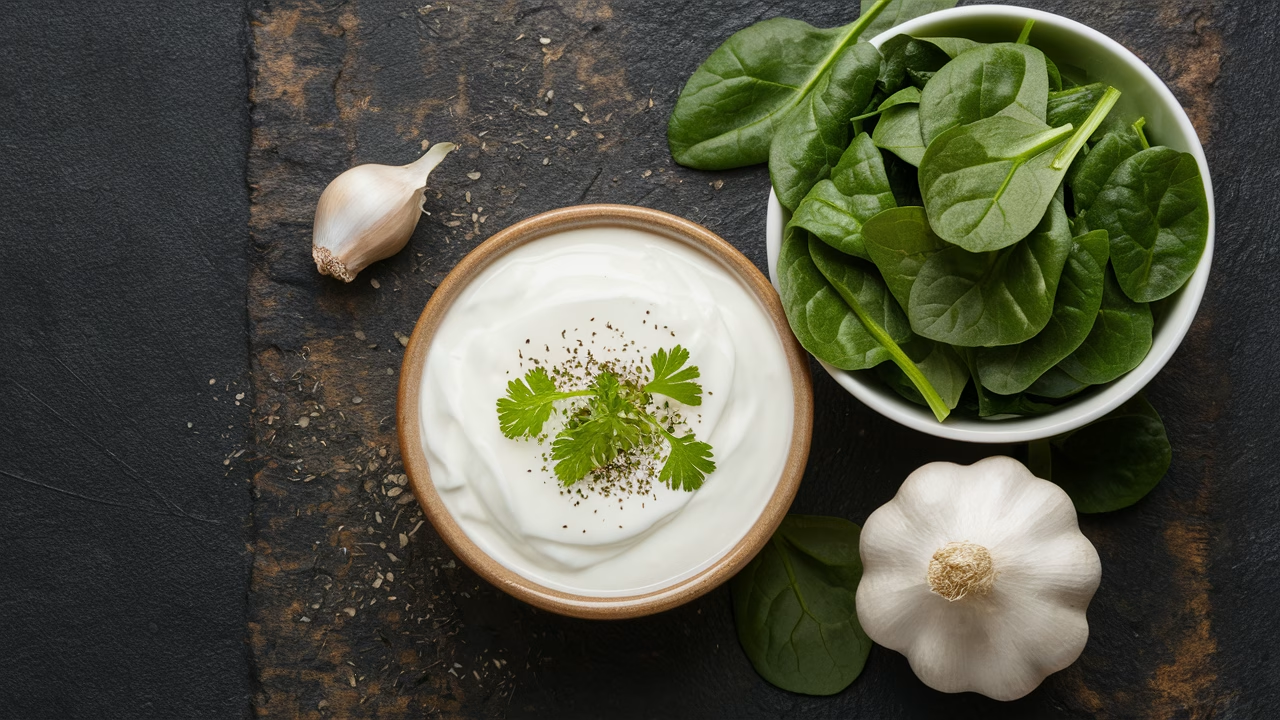
The Gut-Allergy Connection: Why Probiotics and Greens Matter
Here’s what many people don’t realize: about 70% of your immune system is housed in your gut. An imbalanced microbiome can result in an immune system that freaks out over harmless stimuli. That’s why probiotic foods like yogurt, kefir, kimchi, and sauerkraut are so effective for natural allergy relief through immune support.
Leafy greens take anti-allergy support even further. They provide magnesium (a natural bronchodilator), folate (essential for cell repair), and chlorophyll (a detoxifying pigment) to soothe allergic inflammation and support respiratory health for comprehensive natural relief.
Best Choices to Support Gut Health and Natural Allergy Relief:
- Yogurt (with active cultures) for immune support
- Kefir for anti-allergy benefits
- Fermented vegetables (like sauerkraut) for natural relief
- Spinach, kale, Swiss chard for comprehensive immune support
You’ll literally feel the difference in your breath and clarity after a few weeks of consistent intake of these natural allergy relief foods.
Don’t Forget Garlic—One of the Most Overlooked Natural Remedies
Garlic might not be the best for your breath, but it’s great for your sinuses and provides excellent natural allergy relief. It contains quercetin and sulfur-based compounds that act as natural antihistamines with powerful immune support properties. Raw garlic can be intense—but its anti-allergy, antimicrobial powers are strongest uncooked.
Roasting brings out sweetness while preserving some natural relief benefits. Or, you can grate a clove into your salad dressing or morning toast topping for daily immune support.
How Long Until You Notice Allergy Relief from Your Diet?
Usually, changes from natural allergy relief foods aren’t instant. Think of it as coaching your immune system rather than commanding it. With consistency, most people begin to see improvements within 2–4 weeks of incorporating anti-allergy foods. Expect reduced sneezing, clearer sinuses, and even better sleep as your inflammation reduces system-wide through natural relief methods.
| Timeline | Expected Change |
|---|---|
| Week 1 | Improved mood, reduced nasal swelling |
| Week 2–3 | Fewer sneezes, better breathing |
| Week 4+ | Noticeably less allergic reaction overall |
Frequently Asked Questions
- Can food completely replace allergy medication?
While natural allergy relief foods can greatly reduce symptoms and strengthen your immune response, they may not fully replace medication for severe allergy sufferers. Always consult your doctor before making changes to your treatment plan. - How often should I eat these allergy-fighting foods?
Consistency is key for natural relief. Aim to include 5–6 of these anti-allergy foods daily across meals for noticeable results within a few weeks. - Can children benefit from these dietary changes?
Absolutely. Just be cautious with honey (not safe for children under one) and watch for food sensitivities before adding new natural allergy relief ingredients. - Are there foods that make allergies worse?
Yes. Sugary, ultra-processed foods, and dairy (for some people) may exacerbate mucus production and inflammation, counteracting natural relief efforts. - Do I need supplements, or is food enough for natural allergy relief?
If you’re consistently eating a diversified whole-food diet with anti-allergy foods, supplements may not be necessary. But they can support where diet falls short for immune support. - Is local honey safe for everyone?
Honey should not be given to infants under one. Those with bee allergies should also consult their doctor first before using honey for natural allergy relief. - Can I drink green tea with food for anti-allergy benefits?
Yes. It pairs well with meals and improves digestion while providing natural relief. Aim for 2–3 cups daily for best immune support results.
