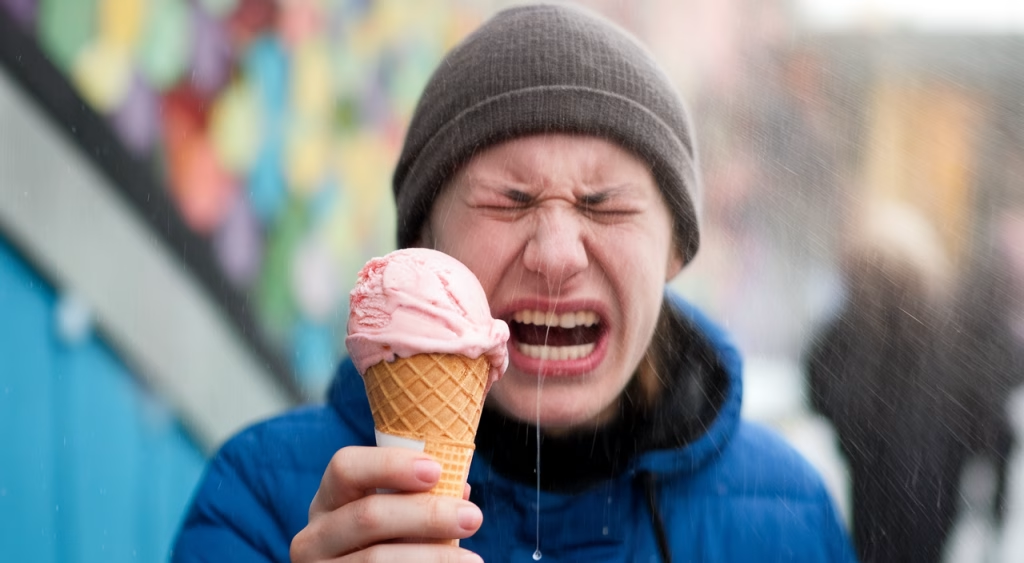
How can I stop a brain freeze from ice cream?
You can stop brain freeze instantly by warming the roof of your mouth with your tongue or drinking room-temperature water. These natural remedies help regulate the rapid temperature change that triggers the intense pain of an ice cream headache, providing relief within 30 seconds.
- ✅ Warm up your mouth: Press your tongue firmly against the roof of your mouth to counter the cold stimulus.
- ✅ Sip warm water: A few sips of lukewarm water can relieve pain by restoring blood flow balance.
- ✅ Tilt your head back: This helps calm the trigeminal nerve response and reduce intense pain.
- ✅ Use prevention tricks: Eat cold treats slowly and keep them away from the hard palate to prevent brain freeze.
Understanding Brain Freeze
What Causes Brain Freeze?
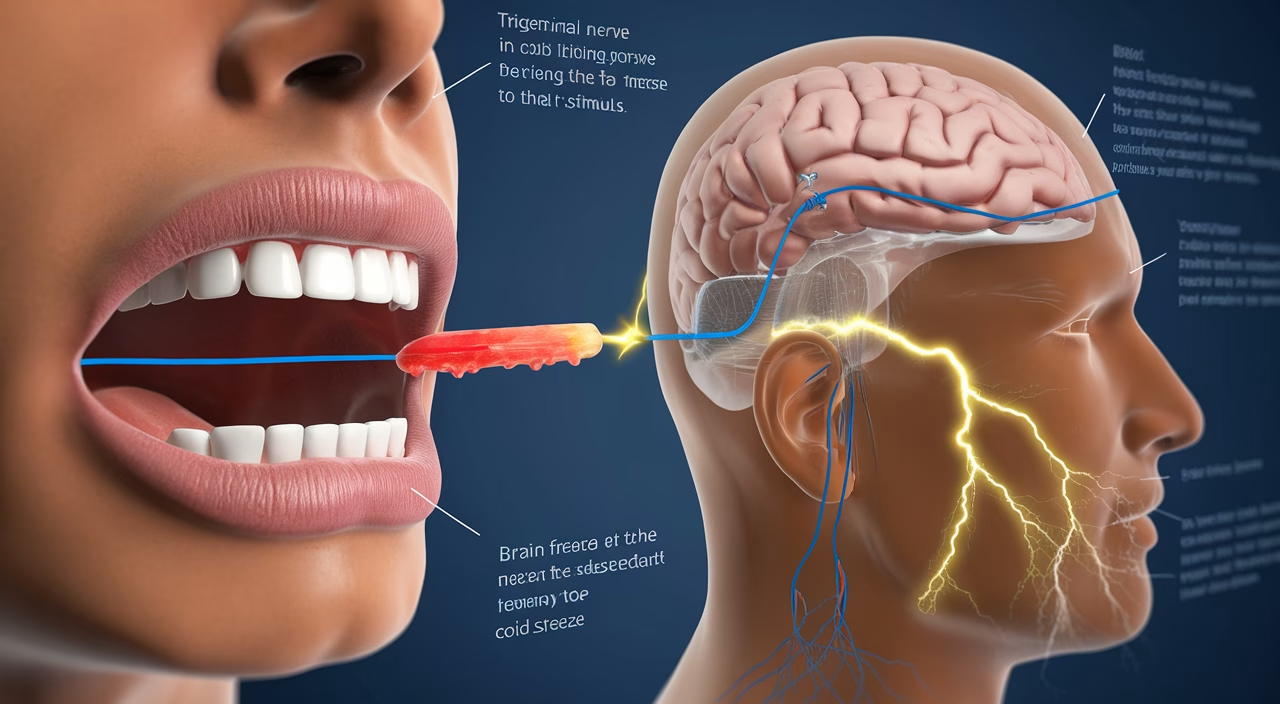
Brain freeze—officially known as a cold-stimulus headache—happens when something cold, like ice cream, hits the upper palate (roof of your mouth) and rapidly cools blood vessels. Your body responds by sending blood vessels into a quick constriction-and-dilation cycle in response to that sudden cold stimulus.
This rapid change affects the trigeminal nerve, which controls facial sensations and pain. Here’s what makes it confusing: your brain misinterprets the location of the pain. It registers the discomfort as coming from your forehead rather than your mouth. This is why brain freeze creates that piercing ice cream headache right between your eyes — even though the cold stimulus originated in your mouth.
| Trigger | Response | Result |
|---|---|---|
| Cold touches the palate | Blood vessels constrict rapidly | Sharp, sudden pain in forehead |
| Body warms area again | Vessels re-dilate quickly | Pain subsides within 30–60 seconds |
Symptoms and Treatment
Most people describe brain freeze as a stabbing, throbbing, or piercing intense pain that lasts just a short time. You might experience this ice cream headache more severely if you consume frozen treats too quickly or if your sinuses are already sensitive.
- 🧠 Location: Forehead, temples, or behind eyes
- 🔁 Duration: Typically 30 seconds to 2 minutes
- 🔥 Sensation: Burning or squeezing pressure from cold stimulus
To stop brain freeze quickly, you can try these natural remedies:
- Press your tongue flat against the roof of your mouth
- Drink warm water or breathe through your nose
- Cover your mouth with your hands and puff warm air inside
Preventing Brain Freeze
Natural Remedies

As a holistic nutritionist, I often work with people seeking drug-free treatment options for common discomforts—including this frozen forehead flare-up. Fortunately, there are several effective ways to prevent brain freeze and stop the intense pain naturally.
- Tongue Press: Your tongue generates warmth. Use it to reheat the cold-affected palate and stop brain freeze instantly.
- Room-Temperature Water: Sip between chilly bites to prevent brain freeze by maintaining moderate temperature.
- Temperature Alternation: Alternate sips of cold and warm fluids to prevent nerves from overreacting to cold stimulus.
- Cover the Mouth: Cup your hands over your mouth, breathe slowly, and create warmth around the oral cavity.
These natural remedies are not only effective treatment options but also easy to use anywhere — whether you’re enjoying gelato in your backyard or savoring a snow cone at the beach.
Tips for Avoiding Brain Freeze
Prevention beats treatment—especially when it comes to enjoying your icy treats without the intense pain. Here are expert-backed strategies to help you prevent brain freeze altogether and avoid ice cream headaches.
- Eat Slowly: Give your mouth time to adjust to temperature changes gradually and prevent brain freeze.
- Keep Cold Off Upper Palate: Limit contact between cold treats and the roof of your mouth to avoid cold stimulus triggers.
- Use a Spoon: Spoons provide better control of where food lands, helping you prevent brain freeze.
- Warm Up First: Let frozen treats soften slightly before eating to reduce cold stimulus intensity.
- Room Temperature Buffer: Keep a warm drink nearby as one of your treatment options.
In children, brain freeze can sometimes cause unnecessary panic. Teaching them these prevention techniques early means happier snack times — and fewer unexpected ice cream headache moments.
Can Brain Freeze Cause Long-Term Damage?
Here’s the reassuring truth: brain freeze doesn’t cause lasting harm. While the intense pain from this cold stimulus feels overwhelming, it’s brief and not dangerous. There’s no evidence linking ice cream headaches to long-term nerve damage or lasting neurological issues. However, if you experience frequent headaches that feel similar to brain freeze, consider discussing treatment options with a healthcare provider to rule out other conditions like migraines.
Cost Guide: How Much Does It Cost to Treat Brain Freeze?
| Option | Explanation | Cost Range |
|---|---|---|
| Natural Remedies | Home techniques like tongue press or warm fluids | Free |
| Preventative Gear | Warm facial masks, mouth guards | $5 – $30 |
| Specialist Consultation | If headaches are persistent and unusual | $50 – $150/session |
Final Thoughts
Brain freeze might be your body’s dramatic response to cold stimulus, but it’s not something to fear. Armed with these simple natural remedies and a clearer understanding of how to prevent brain freeze, you can enjoy your frozen treats without worrying about intense pain or ice cream headaches.
If you often find yourself cringing mid-sundae, remember these treatment options: take a few seconds to warm up, slow down, and use room-temperature water. Your brain—and your taste buds—will thank you for preventing brain freeze before it starts.
Frequently Asked Questions
- What is the scientific reason for a brain freeze?
Brain freeze occurs when a cold stimulus hits the palate, triggering rapid blood vessel constriction and dilation, affecting the trigeminal nerve, which sends a pain signal to the brain. - Are some people more prone to brain freeze?
Yes, people who are prone to migraines, have sensitive sinus areas, or tend to consume cold items quickly are more likely to get brain freeze. - Is brain freeze dangerous?
No. While it can feel overwhelming, brain freeze is temporary and harmless in healthy individuals. - Can you get brain freeze from cold weather?
Yes, inhaling cold air rapidly or contact between icy air and mouth/palate can also trigger a similar type of headache. - Do children get brain freeze more often?
They may seem to because they eat cold treats quickly and may not understand how to manage temperature moderation. - Should I see a doctor for frequent brain freezes?
If ice cream headaches happen often or trigger severe pain, it’s wise to check for underlying conditions like chronic migraines.