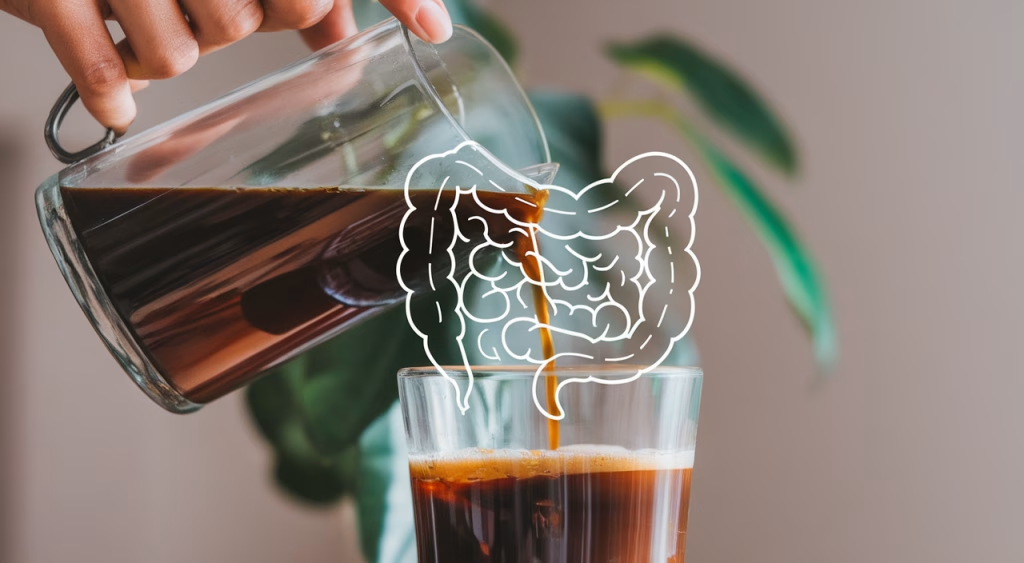
Why does anxiety cause a loss of appetite?
When you’re dealing with anxiety-induced appetite loss, your body enters fight-or-flight mode, redirecting energy away from digestion and suppressing your natural hunger signals. This response involves stress hormones like adrenaline and cortisol, which actively interfere with your body’s ability to recognize when you need food.
TL;DR:
- Anxiety-induced appetite loss is common and tied to the fight-or-flight stress response.
- Stress hormones like cortisol can suppress hunger signals.
- Mindful eating practices and healthy coping strategies can help restore your appetite.
- Choose nutritious foods for appetite recovery that are gentle on the stomach.
- If symptoms persist, seeking professional support may be necessary.
Introduction: Understanding the Link Between Anxiety and Appetite Loss
You’re not alone if you’ve found yourself staring at food with zero interest while your mind races with anxious thoughts. Anxiety-induced appetite loss affects millions of people, creating a challenging cycle where stress impacts eating, and poor nutrition can worsen anxiety symptoms.
As a mental health counselor, I witness this struggle daily. Clients frequently report that anxious thoughts completely eliminate their desire to eat, leading to skipped meals and a disconnection from their body’s natural hunger cues. Yet proper nutrition is crucial for both physical stability and mental clarity—making this cycle particularly difficult to break.
In this guide, we’ll explore the science behind why anxiety affects your appetite and, more importantly, provide you with practical healthy coping strategies that can help you reconnect with your body and restore healthy eating patterns.
Section 1: How Stress Affects Appetite and Eating Habits
Understanding the biological connection between anxiety and appetite loss can help you feel less frustrated with your body’s response to stress.
The Science Behind Stress-Induced Appetite Changes

Your body’s stress response evolved as a survival mechanism. When your hypothalamus detects danger, it triggers the release of adrenaline and cortisol. Adrenaline increases your heart rate and redirects blood flow to your muscles, while cortisol maintains alertness and helps your body cope with prolonged stress. However, these same hormones significantly disrupt your digestive system and suppress hunger signals.
During high-stress periods, your body essentially prioritizes immediate survival over long-term nourishment. This adaptive response may have helped our ancestors escape danger, but in today’s world, it leaves you skipping meals during stressful work presentations or feeling nauseous after difficult conversations.
Interestingly, some people experience the opposite reaction—turning to food for emotional comfort. Both responses represent your body’s attempt to cope with overwhelming stress.
Section 2: Coping Mechanisms for Managing Anxiety-Induced Appetite Loss
When anxiety-induced appetite loss strikes, it’s important to approach recovery with compassion rather than force. These healthy coping strategies address both your emotional and physical needs simultaneously.
Mindful Eating Practices for Balancing Mental Health and Nutrition
Mindful eating practices can transform your relationship with food during anxious periods, helping you approach nourishment with curiosity rather than pressure.
- Start incredibly small. Even a few spoonfuls of yogurt or a small handful of nuts provides valuable nutrition when your appetite is compromised.
- Create a calm eating environment. Remove distractions like phones or TV, allowing your brain to reconnect with your body’s hunger and satiety signals.
- Engage all your senses. Before eating, take a moment to notice colors, textures, and aromas. This sensory engagement can help stimulate your digestive system.
- Practice grounding while eating. Focus on the physical sensations of chewing and swallowing, using mealtime as an opportunity for mindfulness.
Section 3: Nutritious Foods and Recipes to Support Appetite Recovery
When dealing with anxiety-induced appetite loss, certain foods are more appealing and easier to digest than others. Focus on nutritious foods for appetite recovery that require minimal preparation while providing essential nutrients for both physical and mental health.
| Type | Ideal Foods | Why It Helps |
|---|---|---|
| Soft Proteins | Eggs, tofu, Greek yogurt | Gentle on the stomach and packed with protein |
| Comfort Carbs | Whole grain toast, oatmeal, sweet potatoes | Provide energy and ease anxiety-related fatigue |
| Healthy Fats | Avocado, nuts, olive oil | Support brain function and fight inflammation |
| Hydrating Foods | Berries, cucumber, melon | Provide hydration without overwhelming the stomach |
Try combining these into simple, appealing meals—such as avocado toast topped with a soft-boiled egg or a smoothie blending berries, banana, and protein powder. When cooking feels overwhelming, prepare individual ingredients ahead of time to reduce decision fatigue during stressful moments.
Section 4: Professional Guidance: When to Seek Help for Anxiety-Related Appetite Changes
Recognizing when to seek professional support is a crucial part of managing anxiety-induced appetite loss effectively.
Consider reaching out to a healthcare professional if you experience:
- Significant unintentional weight loss over a short period
- Persistent weakness, dizziness, or chronic fatigue
- Anxiety that significantly interferes with your daily functioning
- Complete food avoidance or intense guilt and shame around eating
Professional support can include therapists specializing in anxiety disorders, registered dietitians familiar with mental health, support groups, and integrative medicine specialists. A compassionate professional can help you develop personalized healthy coping strategies and address the underlying anxiety contributing to your appetite changes.
Section 5: Real Stories: Overcoming Anxiety-Induced Appetite Challenges

Hearing from others who’ve successfully navigated anxiety-induced appetite loss can provide hope and practical insights for your own recovery journey:
Samantha’s Story: “Graduate school triggered constant anxiety that killed my appetite completely. Some days, I managed only a granola bar. My counselor helped me understand how stress was affecting my body. By incorporating short walks and keeping nutrient-dense snacks easily accessible, I gradually restored my eating patterns using mindful eating practices.”
Mark’s Experience: “After my relationship ended, the thought of food made me nauseous. Cooking felt impossible. Through therapy and journaling, I realized I was processing grief both emotionally and physically. Smoothies and pre-prepared meals became my bridge back to regular eating when traditional hunger signals weren’t working.”
Every recovery path looks different, but healing consistently begins with self-compassion and small, sustainable steps toward reconnecting with your body’s needs.
Frequently Asked Questions
Can stress cause loss of appetite?
Yes, stress can significantly reduce appetite due to the body’s fight-or-flight response, which redirects energy away from digestion and suppresses natural hunger signals through stress hormone release.
How long does anxiety-induced appetite loss last?
Duration varies significantly—some people experience appetite changes for a few days, while others struggle for weeks or months. Recovery typically depends on addressing underlying anxiety and consistently implementing healthy coping strategies.
What should I eat if I’m not hungry due to anxiety?
Focus on gentle, nutritious foods for appetite recovery like avocado toast, protein smoothies, oatmeal with berries, or soft fruits. Choose options that feel manageable and provide essential nutrients without overwhelming your digestive system.
Can I force myself to eat during anxiety?
Avoid forcing large meals, which can increase anxiety. Instead, try eating small portions regularly throughout the day and focus on nourishment over quantity while practicing mindful eating practices.
While certain supplements may support stress management, always consult healthcare professionals before starting new supplements. Prioritize whole foods and emotional support as your primary approach to recovery.
Does therapy help with appetite changes caused by anxiety?
Absolutely. Cognitive-behavioral therapy (CBT), mindfulness-based interventions, and specialized nutritional counseling can provide targeted support for reducing anxiety and restoring healthy eating patterns through evidence-based techniques.
How do I explain appetite loss to family or loved ones?
Be direct and honest: “I’m experiencing anxiety that’s affecting my appetite and making it difficult to feel hungry. I’m actively working on it and would appreciate your understanding and support during this process.”
{“@context”:”https://schema.org”,”@type”:”BlogPosting”,”headline”:”Anxiety-Induced Appetite Loss: 5 Healthy Coping Strategies”,”description”:”Explore how to manage anxiety and loss of appetite with expert tips, healthy eating strategies, and mindful coping tools.”,”datePublished”:”2025-09-22T03:41:30.000Z”,”publisher”:{“@type”:”Organization”,”name”:”Nutritious Monster”,”logo”:{“@type”:”ImageObject”,”url”:”https://nutritiousmonster.com/wp-content/uploads/nutritious-monster-logo.png”}},”mainEntityOfPage”:{“@type”:”WebPage”,”@id”:”https://nutritiousmonster.com/”},”keywords”:[“Anxiety-induced appetite loss”,”Stress-induced eating habits”,”Healthy coping strategies”,”Mindful eating practices”,”Nutritious foods for appetite recovery”,”Coping mechanisms for anxiety-induced appetite loss”,”Mindful eating tips for stress-related appetite changes”,”Regaining appetite during high anxiety”,”Nutritious foods for loss of appetite due to anxiety”],”mainEntity”:[{“@type”:”Question”,”name”:”Can stress cause loss of appetite?”,”acceptedAnswer”:{“@type”:”Answer”,”text”:”Yes, stress can significantly reduce appetite due to the body’s fight-or-flight response, which redirects energy away from digestion.”}},{“@type”:”Question”,”name”:”How long does anxiety-induced appetite loss last?”,”acceptedAnswer”:{“@type”:”Answer”,”text”:”It varies—some people feel this for a few days, while others experience it for weeks. Recovery depends on managing the underlying stress and implementing healthy strategies.”}},{“@type”:”Question”,”name”:”What are the best foods to eat during appetite loss from anxiety?”,”acceptedAnswer”:{“@type”:”Answer”,”text”:”Try nutrient-rich but gentle foods like smoothies, toast with nut butter, or oatmeal. Soft proteins and hydrating fruits can also help ease digestion and provide energy.”}}]}