What causes brain freeze, and how can I prevent ice cream headaches?
Ice cream headaches, also known as brain freeze, are caused by rapid cooling and then warming of your upper palate (roof of the mouth). This sudden temperature change affects blood vessels and nerves near your brain, triggering a sharp cold-stimulus headache. The key to preventing ice cream headaches lies in controlling how quickly cold items come into contact with that sensitive area of your mouth.
- TL;DR Summary:
- 📍 Ice cream headaches are triggered by rapid cooling of the palate.
- 💡 Prevention includes slowing down while eating, warming the mouth, and breathing strategies.
- ⚡ Symptoms include sudden, sharp forehead pain that usually lasts less than a minute.
- 🧠 Remedies include pressing the tongue to the roof of the mouth and sipping warm water.
- 🚩 Seek medical advice if headaches are frequent, long-lasting, or unrelieved by methods.
Understanding Ice Cream Headaches
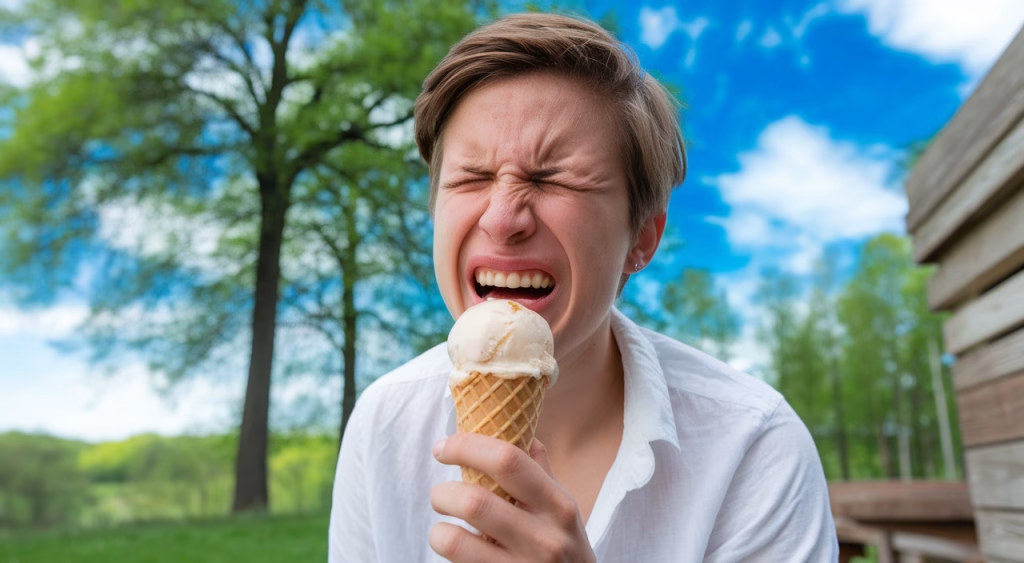
You’re happily devouring a sundae on a hot day when — BAM! — a jolt of pain shoots through your forehead. That sudden strike? It’s what experts call a cold-stimulus headache, though most of us know it as a “brain freeze” or ice cream headache.
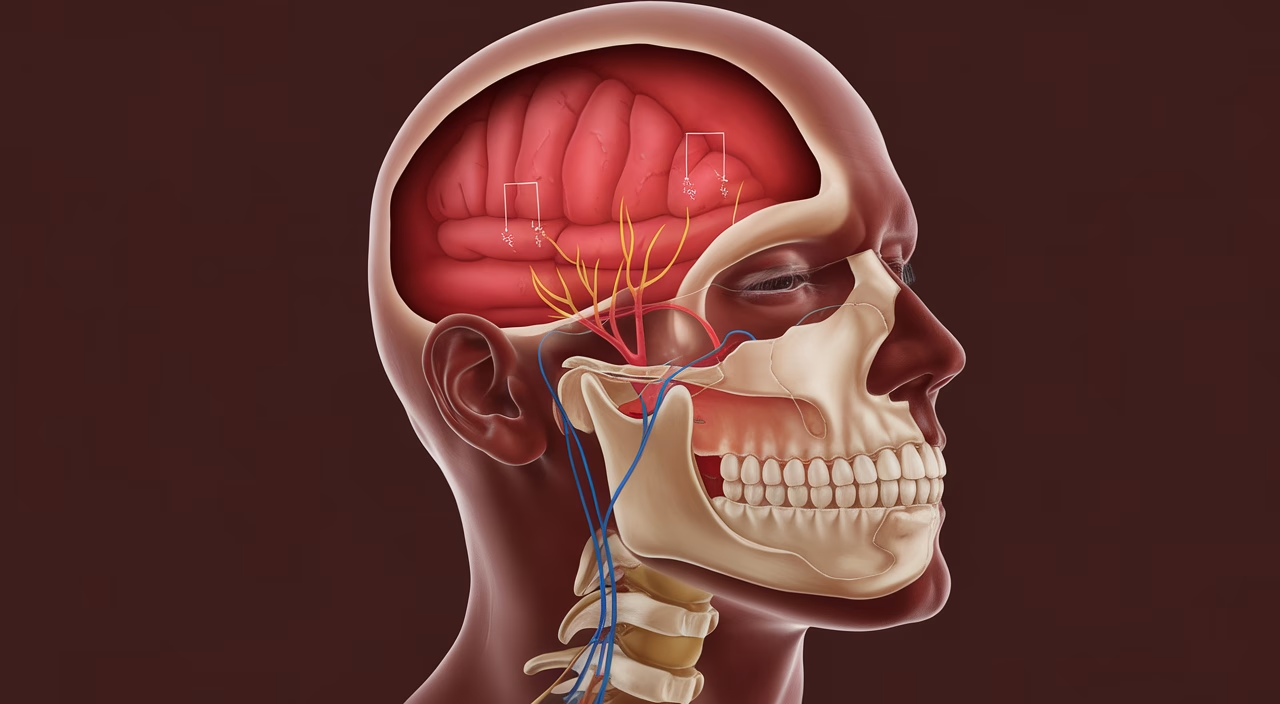
Scientifically, brain freeze happens when something extremely cold touches the roof of your mouth, particularly the posterior hard palate. This sensation triggers a reflex response: the blood vessels in your head constrict and then rapidly dilate again. This vascular change sends pain signals via the trigeminal nerve — a nerve that delivers sensation from your face to your brain. Your body gets confused and interprets the mouth pain as forehead pain, creating that characteristic ice cream headache sensation.
It’s your brain overreacting to cold, like an overprotective parent — except instead of a heartfelt warning, it communicates via stabbing head pain.
What Causes Ice Cream Headaches
Ice cream headaches are more than just quirky occurrences. They’re neurovascular responses — your mouth’s version of a panic button when exposed to cold-stimulus triggers. Here’s what typically causes brain freeze:
Rapid Cooling of the Palate
This is the primary cause of ice cream headaches. Cold items like ice cream, slushies, or frozen drinks contact the upper palate and induce abrupt temperature shifts that trigger brain freeze.
Involvement of the Trigeminal Nerve
This nerve carries sensory information from your mouth and face to your brain. When cold triggers it during an ice cream headache, your brain misinterprets the pain source.
Blood Vessel Constriction and Dilation
Fast temperature changes cause blood vessels in the palate and head to narrow and expand. This reaction can compress surrounding nerves—inviting a sudden cold-stimulus headache.
Low Ambient Temperature
You’re more likely to trigger brain freeze on a hot day when you gulp cold drinks quickly in an overheated body — the contrast exaggerates the cooling response and increases ice cream headache risk.
Symptoms and Triggers
The pain from an ice cream headache is distinct but brief. That said, it can still be intense enough to make you halt all movement. Typical brain freeze symptoms include:
- Sharp, stabbing pain in the middle of the forehead
- Pain behind the eyes or in the temple region
- Sudden onset within 5–10 seconds of consuming something cold
- Duration of less than one minute
Common Triggers
| Trigger | Description |
|---|---|
| Cold Foods | Ice cream, frozen desserts, ice pops |
| Frozen Drinks | Slushies, milkshakes, iced cocktails |
| Gulping Cold Liquids | Chugging too quickly can super-chill the palate |
Prevention Tips
Fortunately, preventing ice cream headaches doesn’t mean giving up cold treats. Here are proven strategies to stop brain freeze before it starts — so you can stay chill, literally and figuratively.
Eat Slowly
Savor your frozen dessert rather than gulping it down. Let the food linger on your tongue and avoid sudden large bites or sips to prevent ice cream headaches from developing.
Warm the Roof of Your Mouth
Press your tongue against the upper palate after swallowing something cold — it helps restore warmth to the area quickly and is one of the most effective ways to prevent brain freeze.
Cup Warm Hands Over Your Mouth
If an ice cream headache starts creeping in, place your hands over your mouth and breathe gently into them. This warms the air and surrounding tissues to stop brain freeze progression.
Use Smaller Spoonfuls
Smaller portions minimize contact with temperature-sensitive areas and reduce cold-stimulus headache risk. Think: sample-size scoops instead of heaping spoonfuls.
Avoid Direct Contact with the Palate
Try to let cold foods stay on your tongue or cheeks briefly rather than hitting the roof of your mouth directly — this simple technique can prevent ice cream headaches effectively.
When to Seek Medical Help
Though short-lived, brain freezes should resolve fast. If you consistently suffer from severe or prolonged headaches following cold food or beverages, it might signal an underlying issue beyond typical ice cream headaches.

Red Flags Include:
- Frequent headaches unlinked to cold exposure
- Pain that lasts longer than a minute or continues after warming the mouth
- Additional symptoms like nausea, dizziness, or vision changes with cold-stimulus headaches
In such cases, consult a neurologist or headache specialist. You could be dealing with conditions such as migraines, cluster headaches, or trigeminal neuralgia — which require distinct treatments beyond typical brain freeze remedies.
Final Thought: Cold Treats Can Be Comforting and Pain-Free
Ice cream headaches are an annoying but benign part of enjoying frozen foods. The key lies in understanding your mouth’s trigger zone and learning how to prevent brain freeze through simple temperature management. As a neurologist, I’ve seen how quickly results come when patients start using these cold-stimulus headache prevention tricks consistently — eating more slowly, warming the mouth, and using that warm hand-breathing combo. The power to prevent ice cream headaches isn’t buried in complex therapy — it’s waiting in small changes you can apply today.
Frequently Asked Questions
- Why do some people get ice cream headaches more than others?
Some people have more sensitive palates or more reactive trigeminal nerves, making them more susceptible to rapid temperature changes and brain freeze. - How do I get rid of a brain freeze fast?
Press your tongue against the roof of your mouth or sip warm water. Some people find cupping warm hands over their mouth helps stop brain freeze quickly too. - Can brain freeze be dangerous?
Generally, no. Ice cream headaches are not harmful. But if brain freeze occurs with other symptoms like dizziness, blurred vision, or nausea, consult a professional. - Do children get brain freezes more often?
Children may report ice cream headaches more frequently since they often consume cold foods more rapidly. Their nerves may also be more reactive to cold-stimulus triggers. - Is brain freeze related to migraines?
There is some overlap. People prone to migraines may experience ice cream headaches more intensely, but the two are distinct conditions. - Can you build a tolerance to ice cream headaches?
Not exactly, but being more mindful of how you eat cold foods can train your brain (and mouth) to be less reactive to brain freeze triggers.