How does dehydration affect mental health?
You might be surprised to learn that mild to moderate dehydration can dramatically influence your mental health. From sudden mood swings and unexplained irritability to difficulty concentrating and even anxiety-like symptoms, not drinking enough water regularly can compromise your brain’s ability to operate at its best. Dehydration affects your cognitive function, energy levels, and overall mental clarity—the very foundations of emotional well-being that keep you feeling balanced and resilient.
TL;DR — Why Proper Hydration Matters for Your Mood
- Dehydration isn’t just physical: It deeply impacts your brain function, emotional regulation, and stress response.
- Mood swings are common: Even mild dehydration can lead to irritability, foggy thinking, and low energy.
- You may not know you’re dehydrated: Fatigue, headaches, and poor focus could be subtle dehydration signs.
- Science supports the connection: Studies show hydration boosts cognitive function and steadier emotions.
- Simple changes help: There are practical, daily habits that can keep you hydrated and mentally balanced.
Understanding the Impact of Dehydration on Mental Health
When we think about dehydration, we often imagine dry mouths, thirst, or perhaps even heat exhaustion. But dehydration affects far more than just your physical state—your brain bears a heavy burden too. Studies reveal that even as little as a 1–2% drop in body water can result in reduced cognitive performance, negative moods, and decreased energy levels.
Your brain is around 75% water, and it relies on proper hydration to function optimally. Dehydration can interrupt neurotransmitter function, restrict oxygen flow, and impair the brain’s ability to regulate mood and focus. Essentially, less water equals slower, foggier thought processes and a heightened sense of stress or lethargy that can derail your entire day.
The Science Behind the Mind-Water Connection
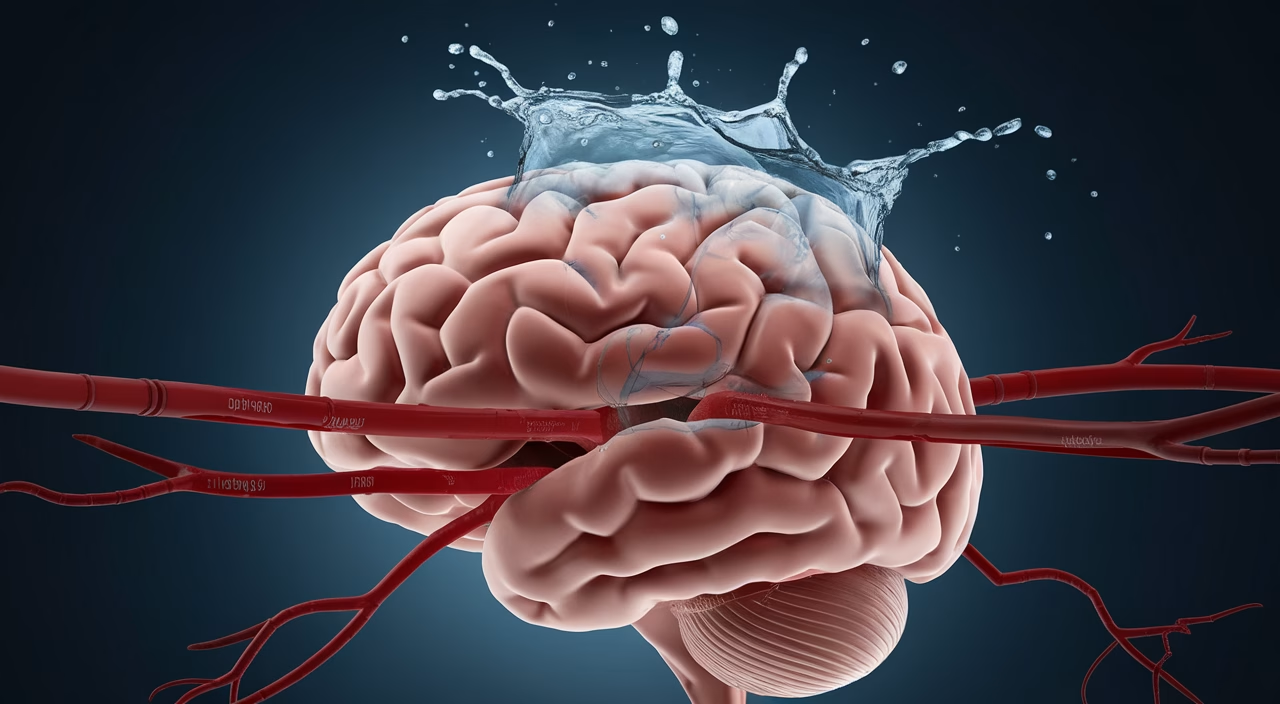
In one clinical trial, participants who were mildly dehydrated reported significantly higher levels of fatigue, confusion, and tension. Another study conducted with athletes showed slower reaction times and worsened short-term memory during dehydration states. And these weren’t cases of severe dehydration—just mild water loss was enough to impact cognitive function and mood stability.
As a nutritionist, I often see people searching for comfort foods or energy boosts when, in reality, their brains are simply thirsty. The irritability, the brain fog, the craving for sugar—often, that’s your body asking for hydration, not caffeine or carbs.
Linking Dehydration to Emotional Shifts
You’ve likely heard someone say, “You’re just hangry.” But a similar condition—let’s call it “drangry”—exists. Dehydration-related anger or agitation occurs because your brain struggles to regulate stress hormones when it’s not receiving proper hydration. Cortisol levels can spike, and with that, you may notice more mood volatility, impatience, or a short temper that seems to come out of nowhere.
Signs of Mild Dehydration and Their Effects on Mood
You don’t have to be sweating in the sun or running a marathon to experience dehydration effects. It can creep up silently, especially through habits like skipping breakfast, drinking too much coffee, or working long hours without sipping water. Here are the key signs to watch out for:
- Dry mouth or lips
- Low energy levels by mid-day
- Difficulty concentrating (mental fog)
- Mild headaches
- Increased irritability or mood swings
Notice how common these symptoms are? They’re also symptoms of stress, fatigue, or emotional depletion. That’s what makes proper hydration so essential for mental health—it ties directly into how you show up mentally and emotionally in your day.
How Your Mood Shifts with Water Loss
Think of your mood like a thermostat—hydration helps keep it regulated and stable. When you start to feel dehydrated, internal stress increases, and your brain may trigger panic-like responses, releasing stress hormones like cortisol or adrenaline. Over time, this may contribute to low-grade feelings of anxiety or emotional instability—even in everyday situations that wouldn’t normally throw you off.
Dehydration and the Afternoon Energy Crash
Ever notice that around 2–4 PM, your mood and energy levels tank, even if you had a decent lunch? That could be mild dehydration rearing its head. Your brain relies on a continuous flow of hydrated blood to function, and as that slows, so does your mental clarity and emotional resilience. You might feel more reactive, more scattered, and less calm during these energy dips.
Practical Tips for Staying Hydrated and Happy
Now that we’ve unpacked how hydration affects emotional health, let’s make it actionable. Here are tangible hydration tips to avoid dips in energy levels and mood swings throughout your day.
Simple Hydration Habits to Boost Mood

- Start your day with water: Before coffee, drink 8–12 oz of water. Your body is naturally dehydrated after sleep.
- Set gentle reminders: Use timers or apps to check in and sip water regularly, not all at once.
- Pair water with your routines: Tie a glass of water to tasks like brushing your teeth or checking emails.
- Flavor naturally: Add slices of citrus, cucumber, or berries to make your water more inviting and improve mental clarity.
How Much Water Should You Drink for Mood Support?
As a general rule, aim for about half your body weight in ounces to support optimal energy levels and cognitive function. So if you weigh 160 lbs, that’s 80 oz of water per day. But this can vary based on climate, exercise, diet, or even emotional stress. Rather than obsessing over numbers, tune into your body’s subtle cues—thirst, mood dips, dry skin, or inconsistent concentration.
| Hydration Goal | Strategy |
|---|---|
| Sustained energy | Drink every 2 hours, even if you’re not thirsty |
| Mood regulation | Add electrolytes or fruit slices to stay balanced longer |
| Better focus | Hydrate before meetings, study sessions, or creative tasks |
Cost Guide: Hydration Tools and What to Expect
| Hydration Aid | Low-End | Mid-Range | High-End |
|---|---|---|---|
| Reusable water bottle | $5 – $10 | $15 – $25 | $30 – $60 |
| Water tracking app | Free | $3/month | $5/month |
| Hydration reminder device | $10 | $25 | $50+ |
Final Thought: Water As Your Daily Mood Medicine
Hydration isn’t just a wellness trend—it’s one of the most accessible, measurable ways to care for your mental health and emotional well-being. If you’ve been struggling with low energy levels, erratic mood swings, or persistent brain fog, consider the simplest solution first: drink more water. It’s not a miracle cure, but it’s an essential, often overlooked piece of your emotional health puzzle.
You don’t need to overhaul your diet or seek out expensive supplements just yet. Begin with improving your hydration habits. Check in with your body. Proper hydration could be the quiet hero that helps you feel more like yourself again, with better cognitive function and more stable moods throughout the day.
Frequently Asked Questions
Can dehydration cause mood swings?
Yes. Dehydration significantly impacts emotional regulation and can trigger sudden mood swings. Studies show that even slight fluid loss can lead to irritability, anxiety, and mood fluctuations by affecting neurotransmitter balance and stress hormone levels in the brain.
What are the signs of mild dehydration and mood changes?
Common signs include low energy levels, difficulty concentrating, headaches, and feeling easily frustrated or overwhelmed. These dehydration effects often mimic emotional fatigue or stress but may simply stem from insufficient water intake affecting your cognitive function.
How much water should I drink for better mental clarity?
A good rule of thumb is to drink half your body weight in ounces daily to support mental clarity and stable energy levels. For example, someone weighing 160 lbs should aim for approximately 80 oz. Adjust based on activity level and environment.
What are the best ways to stay hydrated for mood support?
Space your hydration throughout the day, drink water before meals, use reminders, add natural flavors like mint or citrus, and keep water easily accessible during tasks that require focus. These hydration tips help maintain consistent energy levels and cognitive function.
Does dehydration affect cognitive function?
Yes. Dehydration reduces blood flow and oxygen to the brain, impairing functions like memory, attention, and decision-making. This can make your mind feel foggy or slow, lower productivity, and contribute to mood swings and reduced mental clarity.
Is coffee or tea hydrating?
While caffeinated beverages do contain water, they can have a mild diuretic effect in large amounts. Balance them with plain or infused water to meet your hydration goals effectively and maintain optimal energy levels throughout the day.
Can staying hydrated help with anxiety?
Proper hydration supports brain health and helps manage stress hormones like cortisol, which can improve cognitive function and mood stability. While hydration alone won’t treat anxiety, it may reduce symptoms like restlessness or confusion when paired with other mental health practices.