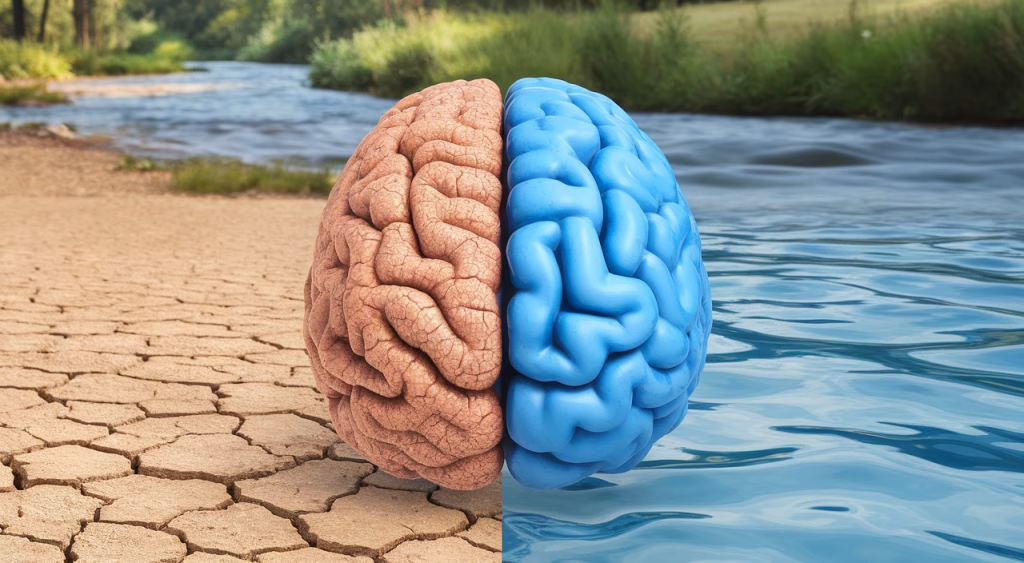
How Does Dehydration Affect Brain Function?
When you’re dehydrated, even just slightly, your brain starts to feel the effects—your thoughts slow, your focus wavers, and remembering things becomes a chore. That’s because water isn’t just for keeping you cool—it fuels neurological efficiency. Let’s unpack exactly how dehydration affects brain function and what you can do to stay mentally sharp.
- ⚠️ Dehydrated? So is your brain. Your brain is about 75% water. When water levels drop, brain cells shrink—leading to reduced efficiency in neural communication.
- 🧠 Memory slips are real. Dehydration impacts brain function by impairing short-term memory, concentration, and mental clarity—even in mild cases.
- 💧 Hydration boosts alertness. Staying properly hydrated improves mood, reaction time, and overall cognitive function.
- 📈 Actionable steps included. Discover effective hydration tips, science-backed explanations, and relatable stories that help you hydrate smarter—not just more.
The Importance of Proper Hydration for Brain Health
Your brain is a thirsty organ. Despite making up just 2% of your body mass, it consumes around 20% of your total energy—and a significant portion of that goes toward fluid-dependent processes. Brain hydration is essential for supporting electrical activity in neurons, transporting nutrients, and eliminating waste metabolized during cognitive function.
Signs of Dehydration to Look Out for

Dehydration doesn’t always manifest as extreme thirst. In fact, your brain might notice water loss before you even feel thirsty. Here are typical warning signs of how dehydration affects memory and cognitive function:
- Headaches or feeling foggy-headed
- Short-term memory lapses
- Difficulty concentrating
- Low mood or increased irritability
- Dizziness or light-headedness
Effects of Dehydration on Memory and Cognitive Function
Multiple studies confirm that dehydration affects brain performance measurably. Even a 1-2% loss in body water can lead to noticeable declines in mental sharpness. The neurological effects of dehydration include:
- Working memory declines: Tasks requiring holding short-term information (like recalling a sequence or remembering steps) suffer when brain hydration drops.
- Mental fatigue increases: You may feel tired or foggy even if you’ve had enough rest.
- Reaction time slows: Dehydration can delay decision-making, which is particularly concerning for athletes and drivers.
Scientific Insights: How Dehydration Affects Brain Cells
Let’s dive deeper into the biology behind this. When your body becomes dehydrated, the concentration of electrolytes like sodium and potassium increases, altering osmotic pressure within cells—including neurons. Understanding how dehydration affects brain cells helps explain why cognitive function suffers so quickly.
Mechanisms of Brain Hydration and Function
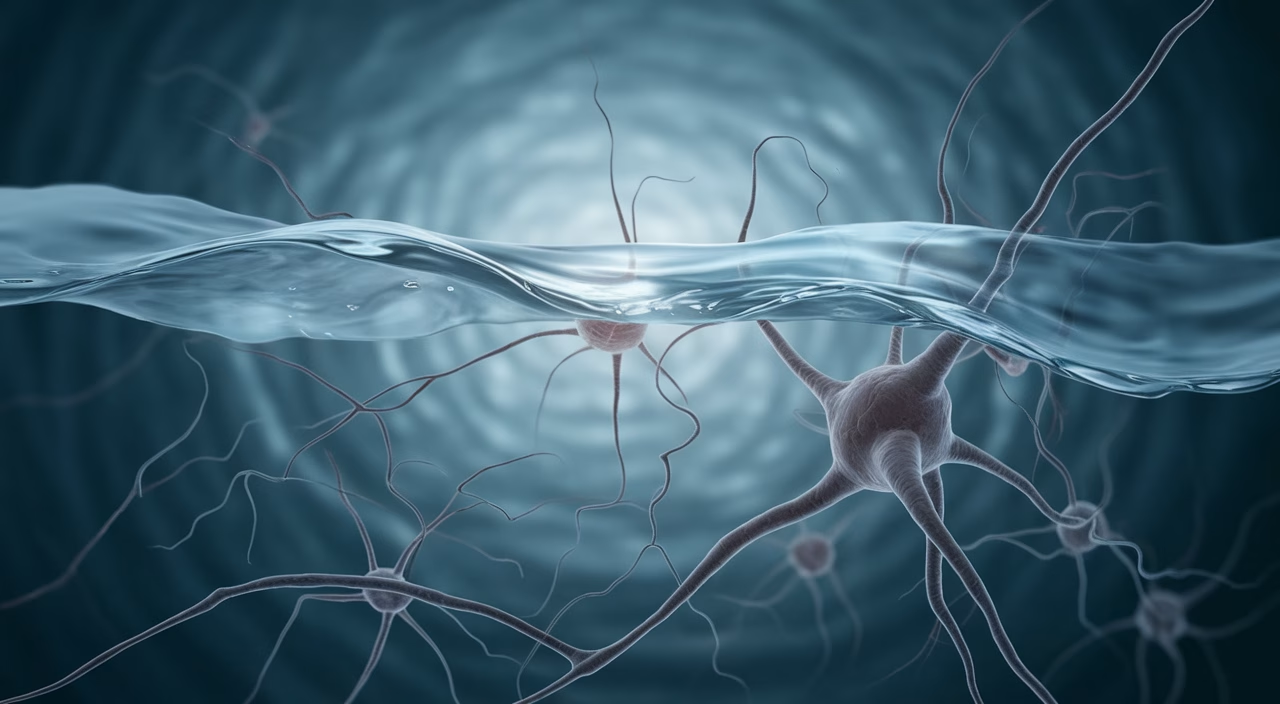
Here’s what’s happening on a cellular level when dehydration affects brain function:
- Shrunken neurons: Brain cells literally shrink, affecting their ability to communicate efficiently.
- Reduced synaptic plasticity: Poor brain hydration impacts learning and memory by limiting the brain’s ability to rewire itself.
- Electrochemical imbalances: Poor fluid levels disrupt the movement of neurotransmitters, slowing down vital cognitive pathways.
| Dehydration Level | Impact on Brain Function |
|---|---|
| 1-2% (Mild) | Reduced memory, focus, mood swings |
| 3-5% (Moderate) | Severe fatigue, confusion, slowed reaction |
| 6%+ | Disorientation, neurological distress |
Practical Tips for Staying Hydrated for Optimal Brain Performance
Knowing the science is one thing, but applying it is another. If you’re wondering how to prevent dehydration from affecting your brain function, here are strategies that are realistic and sustainable for better brain hydration.
Hydration Strategies for Improved Cognitive Function
- 🌿 Start your day with water: After 7–8 hours without fluids, rehydrate first thing in the morning to support brain hydration.
- 🍓 Infuse with flavor: Add lemon, mint, or cucumber slices to make hydration more appealing without sugar.
- 📱 Set hydration reminders: Use phone alerts or hydration apps to nudge fluid intake regularly and prevent dehydration from affecting your brain.
- 🥗 Eat hydrating foods: Cucumbers, watermelon, and citrus fruits are rich in water content and support cognitive function.
- 💻 Match water to screen time: If you’re at a desk for hours, commit to a glass of water each hour of device use to maintain brain hydration.
Real-Life Examples and Case Studies
Let’s consider a couple of scenarios that bring the science of how dehydration affects brain function to life:
- The Overworked Professional: Sarah, in her 40s, complained that her focus was plummeting midday. She wasn’t drinking much water, just coffee. Once she improved her brain hydration with 2 more glasses in the morning and sipped throughout the day, she reported far fewer “brain fog” episodes and better cognitive function.
- The College Student: Jake, a university sophomore, noticed better memory recall on days when he drank 6+ glasses of water. Understanding how dehydration affects memory, he now carries a refillable bottle during lectures and says his exam scores have improved significantly.
Conclusion: Prioritizing Brain Health Through Proper Hydration
Your brain is a high-performance machine that depends heavily on proper brain hydration. When we neglect hydration, dehydration affects brain function in measurable ways—our ability to learn, remember, and perform falters. But the good news? The neurological effects of dehydration are easily reversible.
Small, everyday habits—like sipping water regularly and choosing hydrating snacks—can yield noticeable improvements in how dehydration affects your cognitive function. You don’t need to overhaul your life; just remember that every sip supports the nerve cells that make you—well, you.
If you’ve ever felt foggy, fatigued, or forgetful by mid-afternoon, your brain might not be overworked—it might just be under-hydrated. Prioritizing brain hydration is one of the simplest ways to boost your mental performance.
Frequently Asked Questions
- Can dehydration affect memory?
Yes, dehydration significantly affects brain function, especially memory. Studies consistently show that fluid loss of just 1–2% can impair short-term memory and mental clarity through reduced brain hydration. - How much water should I drink daily for better brain health?
While individual needs vary, a general guideline is 8–10 cups of water per day to maintain proper brain hydration. Adjust based on activity, climate, and diet to prevent dehydration from affecting your cognitive function. - Does dehydration cause brain fog?
Yes. When dehydration affects brain function, it slows blood flow and shrinks neurons, both of which contribute to fogginess and cognitive fatigue. Proper brain hydration helps clear mental fog. - Are there any specific times I should focus on hydration?
Yes—morning (after sleeping), before mentally taxing tasks, after caffeine, and during long periods of concentration are crucial times to maintain brain hydration and prevent dehydration from affecting your performance. - Is tea or coffee dehydrating to the brain?
Caffeinated drinks have a mild diuretic effect, but they still contribute to your overall fluid intake and brain hydration. Just balance them with water to optimize how hydration affects your cognitive function. - Can children or teens experience cognitive issues from dehydration?
Absolutely. Kids and teens are often more vulnerable because they may not recognize thirst, leading to situations where dehydration affects brain function, causing concentration or mood issues. - What’s the fastest way to reverse dehydration and sharpen memory?
Drink water consistently to restore brain hydration, not just in large amounts. Combine with electrolytes and hydrating foods if you’ve been sweating or ill to quickly address how dehydration affects your cognitive performance.