
Can cold symptoms really impact your hearing?
Yes, cold symptoms can absolutely affect your hearing, and in more ways than one. When you’re battling congestion and hearing loss from a cold, you might notice everything from muffled sounds to sharp ear pain. The connection between cold symptoms and your ears is stronger than many people realize—and understanding this relationship can help you protect your hearing during illness.
TL;DR: How Cold Symptoms Impact Your Hearing
- Cold symptoms triggering hearing issues: Congestion in your nose and throat can cause pressure changes and fluid buildup that impact your ear canals.
- Temporary hearing loss is common: Ear blockage caused by mucus and inflammation can mute sounds or lead to clogged sensations.
- Ear infections may follow: Unresolved congestion increases your risk of ear infections, particularly if the Eustachian tube isn’t draining properly.
- Prevention and early intervention are key: Managing cold symptoms early can reduce the risk of hearing complications later.
Understanding the Connection
If you’ve ever wondered why your ears feel “off” when you have a cold, there’s a clear anatomical reason. The back of your throat, nasal cavities, and middle ear are all connected through the Eustachian tube—a small channel that helps equalize air pressure in your ears. During a cold, especially one with nasal congestion, this tube can become blocked or inflamed.
When your Eustachian tube is compromised, pressure builds behind the eardrum, and fluid may collect in the middle ear. This creates that underwater sensation you might experience when cold symptoms impact your hearing. The virus isn’t directly attacking your ears—though that can happen in severe cases—but the congestion and hearing loss occur because nearby inflammation disrupts normal ear function.
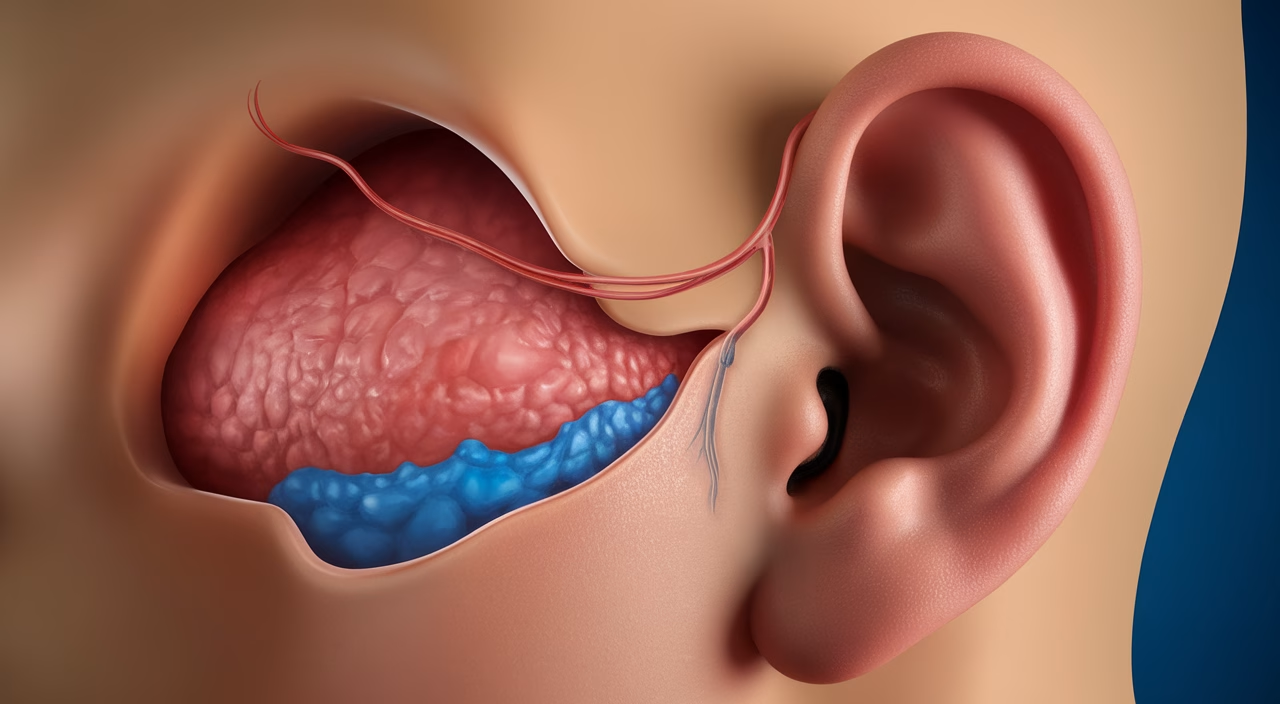
Effects of Congestion on Hearing
Let’s explore how specific cold symptoms can influence your hearing and lead to temporary hearing loss:
1. Nasal Congestion and Muffling
When cold-related inflammation blocks your nasal passages, it restricts airflow and pressure regulation in your Eustachian tube. This disruption causes that familiar ‘plugged ear’ sensation and reduces your ability to hear certain frequencies clearly.
2. Postnasal Drip and Fluid Buildup
That thick mucus dripping down your throat doesn’t just trigger coughing—it can interfere with proper ear drainage. When fluid becomes trapped behind your eardrum, it dampens the delicate structure’s ability to transmit sound vibrations, contributing to temporary hearing loss.
3. Inflammation and Temporary Hearing Loss
Cold-induced swelling narrows your sinuses and ear canals, which can physically block sound transmission. This inflammation also increases your risk of developing secondary complications like otitis media (middle ear infection), a common cause of temporary hearing loss during illness.
4. Cough, Sneezing, and Ear Pressure
Sharp coughs or sudden sneezes create rapid pressure changes that can temporarily affect your Eustachian tube function. These pressure shifts may cause acute changes in your hearing or balance, adding to the discomfort of being sick.
Here’s how different cold symptoms affect your hearing:
| Cold Symptom | How It Affects Hearing | Common Sensation |
|---|---|---|
| Nasal congestion | Blocks Eustachian tube | Plugged or muffled ears |
| Sinus pressure | Alters middle ear pressure | Fullness in ears |
| Postnasal drip | Builds fluid behind eardrum | Echo-like hearing |
| Ear infection | Inflamed middle ear structures | Sharp pain and hearing loss |
Preventive Measures to Safeguard Your Hearing
You can take proactive steps to minimize congestion and hearing loss when cold symptoms strike. These simple strategies help maintain proper ear function during illness:
- Stay Hydrated: Drinking plenty of fluids helps thin mucus, making it easier to clear from your nose and throat—which supports healthy Eustachian tube function.
- Use Steam Therapy: Inhaling steam opens nasal passages and promotes sinus drainage, reducing pressure near your ears and preventing fluid buildup.
- Blow Your Nose Gently: Aggressive nose-blowing can force mucus into your ears. Clear one nostril at a time using gentle pressure to avoid complications.
- Sleep with Elevated Head: Gravity helps reduce fluid buildup when your upper body is slightly elevated, supporting natural drainage.
- Avoid Air Travel: Flying with congestion can worsen pressure imbalances and trigger ear barotrauma, potentially causing more severe temporary hearing loss.
Cost Guide: Possible Expenses for Hearing Treatments
Sometimes, cold-related ear issues require medical attention. Here’s a general cost breakdown:
| Service | Low-End Cost | Mid-Range Cost | High-End Cost |
|---|---|---|---|
| ENT Consultation | $75 | $150 | $300+ |
| Hearing Test (Audiogram) | $40 | $80 | $150+ |
| Prescription Medication | $10 | $30 | $100+ |
| Earwax Removal or Drainage | $40 | $90 | $200+ |

Seeking Medical Help for Hearing Issues
If your hearing hasn’t returned to normal within a few days of recovering from your cold—or you experience sharp pain, dizziness, or fluid leaking from your ears—it’s time to see a healthcare professional. An ENT (ear, nose, and throat) specialist can perform a thorough examination and assess whether your temporary hearing loss requires treatment.
Early diagnosis is crucial when cold symptoms impact your hearing. While temporary hearing loss from congestion often resolves on its own, untreated blockages or infections can lead to chronic problems or even permanent hearing damage. We often see patients who delay seeking care, assuming their ear issues “will clear on their own.” While this sometimes happens, waiting too long might mean missing important early signs of ear infections or other complications.
Don’t ignore persistent symptoms—your ears may be small, but when they need attention, the signs are usually clear. Prompt care can prevent minor issues from becoming major problems.
Final Thought
Even mild colds can significantly affect your hearing through congestion and inflammation. Understanding how cold symptoms impact your hearing empowers you to take proactive steps to protect your auditory health during illness. By managing congestion and hearing loss early, recognizing warning signs, and knowing when to consult a specialist, you can preserve your long-term hearing health and recover more comfortably from seasonal illnesses.
Frequently Asked Questions
Can congestion make hearing worse?
Yes. Congestion can block the Eustachian tube, leading to pressure buildup and muffled or reduced hearing.
How long does temporary hearing loss from a cold last?
In most cases, hearing returns within a few days to a week after your cold resolves. If it persists, consult an ENT.
Can a cold cause ear infections?
Yes. Fluid trapped behind the eardrum due to congestion can lead to bacterial growth, potentially causing an ear infection.
Is it safe to fly with blocked ears from a cold?
Flying with blocked ears can cause pain and further pressure issues. It’s best to postpone flights during active congestion.
Can cold medicine help unclog my ears?
Yes, decongestants may reduce nasal and sinus swelling, helping relieve Eustachian tube blockage.
When should I see a doctor for hearing issues during a cold?
If symptoms exceed a week, or you’re dealing with severe ear pain, dizziness, or fluid draining from the ear—seek medical help.