What is the cervical spine and why does it matter?
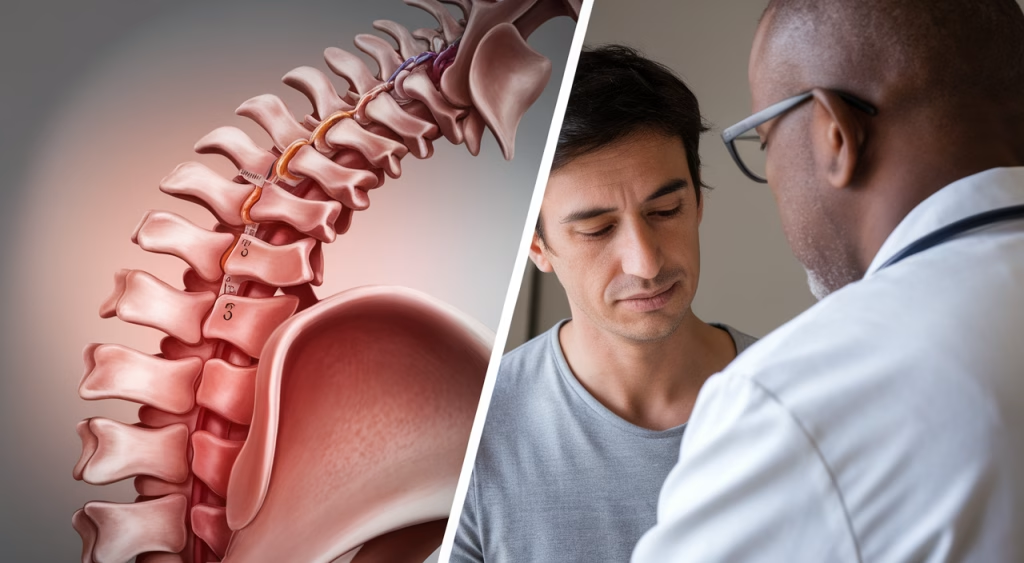
Your cervical spine is the intricate seven-vertebrae structure that forms your neck, serving as the crucial bridge between your skull and upper back. This remarkable piece of anatomy supports your head’s weight, enables complex neck movements, and acts as a protected highway for vital nerve pathways that control sensation and movement throughout your upper body.
- TL;DR:
- ⚡ The cervical spine consists of seven vertebrae (C1-C7) that support your head and enable fluid neck movement in all directions.
- ⚡ Cervical spine disorders include herniated discs, spinal stenosis, degenerative disc disease, and nerve compression conditions.
- ⚡ Symptoms range from neck pain and stiffness to numbness, tingling, or weakness radiating into your arms and hands.
- ⚡ Diagnosis typically involves comprehensive physical examinations combined with imaging tests like MRIs to visualize cervical spine anatomy.
- ⚡ Treatments span from conservative approaches like physical therapy and medications to advanced surgical interventions for severe cases.
Introduction to the Cervical Spine
What is the cervical spine?
Your cervical spine functions as an engineering marvel—a sophisticated seven-vertebrae tower (labeled C1 through C7) that seamlessly connects your skull to your thoracic spine. These cervical vertebrae create a protective housing for your spinal cord while enabling an impressive range of motion in multiple directions—turning, nodding, tilting, and rotating.
The cervical spine anatomy makes it the most mobile section of your entire spine, but this flexibility comes with increased vulnerability. This delicate balance between mobility and stability often makes your cervical spine susceptible to various disorders, injuries, and age-related changes that can significantly impact your daily life.
Importance of the cervical spine in everyday movements
Every time you check your blind spot while driving, nod during a conversation, or tilt your head to read, your cervical spine orchestrates these movements while maintaining nerve communication throughout your upper body. Beyond movement, it serves as the command center for nerve pathways that control arm and hand function, making cervical spine health essential for both mobility and fine motor skills.
Anatomy of the Cervical Spine
Vertebrae and discs in the cervical spine
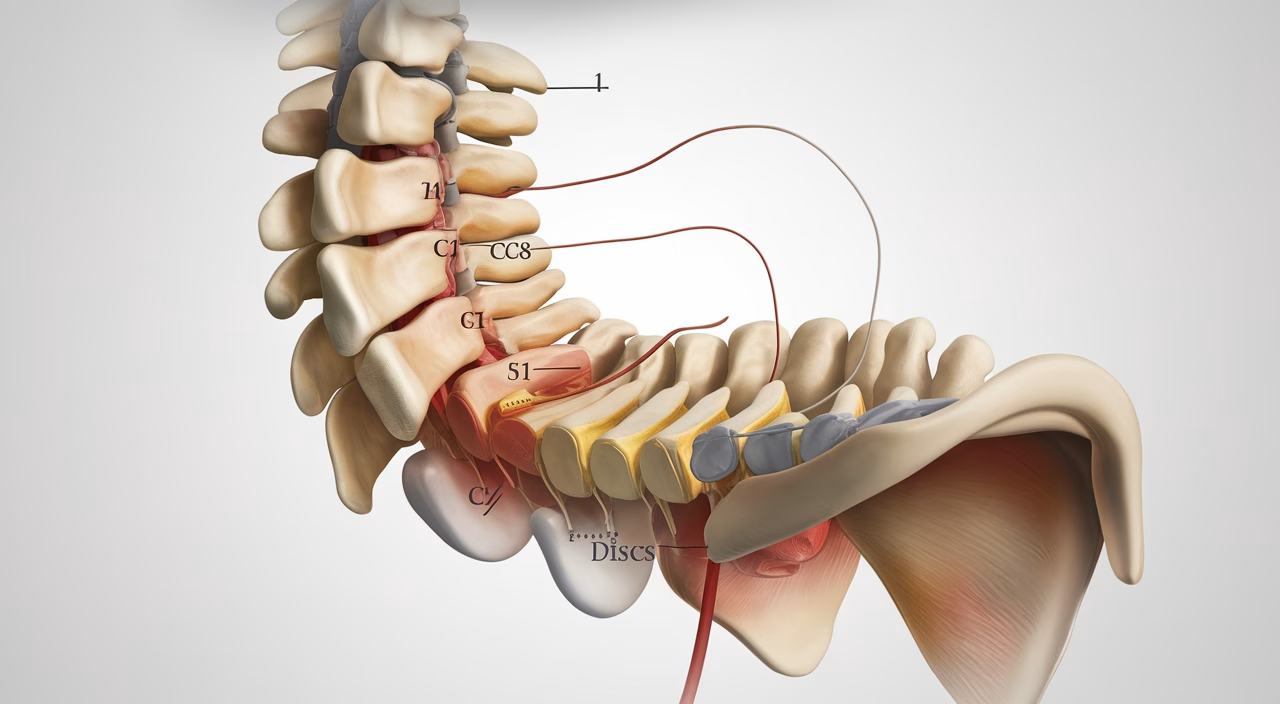
Understanding cervical spine anatomy begins with its seven unique vertebrae. The first two vertebrae—Atlas (C1) and Axis (C2)—feature specialized shapes that allow your head to nod and rotate smoothly. The remaining cervical vertebrae (C3-C7) follow a more traditional pattern, each separated by intervertebral discs that function as natural shock absorbers.
These cervical discs consist of a gel-like nucleus pulposus surrounded by a tough fibrous ring called the annulus fibrosus. When healthy, they maintain proper spacing between vertebrae and facilitate smooth movement. However, when these discs degenerate or herniate, they can trigger various cervical spine disorders that cause significant pain and dysfunction.
Nerves and functions controlled by the cervical spine
Your cervical spine anatomy includes eight pairs of spinal nerves (C1-C8) that exit through small openings called foramina. These cervical nerve roots travel down your shoulders, arms, and into your hands, controlling both motor functions and sensory responses including touch, pain, and temperature sensation.
Understanding this nerve distribution helps explain why cervical spine disorders can cause symptoms far from your neck. For instance, compression in the C6-C7 region might result in thumb numbness or bicep weakness, demonstrating how cervical spine health directly impacts your arm and hand function.
Common Disorders of the Cervical Spine
Degenerative disc disease
Degenerative disc disease represents one of the most prevalent cervical spine disorders, occurring when the cushioning discs between your vertebrae gradually break down over time. This degenerative process reduces the disc’s ability to absorb shock, leading to increased friction between vertebrae and potential nerve irritation.
Early symptoms of this cervical spine disorder often include morning stiffness, dull aching pain, and discomfort that worsens with prolonged sitting or forward head postures common in our digital age.
Herniated discs
A herniated cervical disc occurs when the inner gel-like material pushes through the disc’s outer ring, potentially compressing nearby nerve roots. This cervical spine disorder can trigger sharp, shooting pains that radiate down your arm—a condition known as cervical radiculopathy—along with numbness and weakness in specific muscle groups.
Cervical radiculopathy
Cervical radiculopathy develops when nerve roots exiting your cervical spine become compressed or irritated. This cervical spine disorder creates distinctive patterns of pain, tingling, and weakness that correspond to specific nerve distributions. For example, C5-C6 nerve compression typically affects shoulder and upper arm function, while C6-C7 involvement may impact your thumb and index finger.
Cervical spinal stenosis
Cervical spinal stenosis involves narrowing of the spinal canal within your cervical spine anatomy, usually due to bone spurs, disc degeneration, or ligament thickening. This progressive cervical spine disorder can compress both individual nerve roots and the spinal cord itself, potentially causing balance problems, coordination difficulties, and in severe cases, bladder or bowel dysfunction.
Symptoms and Diagnosis
Signs of cervical spine disorders
Recognizing cervical spine disorder symptoms early can prevent progression and improve treatment outcomes. Common indicators include:
- Persistent neck pain that may worsen with movement
- Numbness or tingling radiating into your arms or fingers
- Muscle weakness affecting grip strength or arm function
- Reduced neck flexibility and range of motion
- Headaches originating from the base of your skull
Many people initially dismiss these cervical spine disorder symptoms as minor inconveniences, but persistent or worsening symptoms warrant professional evaluation to prevent potential complications and identify appropriate treatment strategies.
Diagnostic tests for cervical spine issues
Diagnosing cervical spine disorders requires a comprehensive approach combining clinical examination with advanced imaging. Your healthcare provider will assess your cervical spine anatomy, test nerve function, and evaluate movement patterns before recommending specific diagnostic tests.
| Test | Purpose |
|---|---|
| X-ray | Views bone alignment and fractures |
| CT scan | Offers cross-sectional images for more detail |
| MRI | See soft tissues, nerve roots, and disc integrity |
| EMG/NCS | Tests for true nerve damage or muscle weakness |
Treatment Options for Cervical Spine Disorders

Non-surgical treatments
Most cervical spine disorders respond well to conservative treatment approaches that focus on reducing inflammation, improving cervical spine anatomy alignment, and strengthening supporting muscles. Evidence-based non-surgical options include:
- Physical therapy: Specialized exercises targeting cervical spine mobility, strength, and postural correction
- Medications: Anti-inflammatory drugs and muscle relaxants to address pain and inflammation
- Spinal decompression: Non-invasive traction techniques to relieve pressure on compressed nerves
- Ergonomic modifications: Workplace and lifestyle adjustments to support optimal cervical spine health
Surgical interventions for severe cervical spine conditions
When conservative treatments fail to address severe cervical spine disorders, surgical intervention may become necessary to restore function and prevent further neurological damage. Advanced surgical procedures include:
- ACDF (Anterior Cervical Discectomy and Fusion): Removes damaged discs and stabilizes cervical spine anatomy with bone grafts
- Cervical disc replacement: Replaces damaged discs with artificial ones while preserving natural movement
- Laminectomy: Removes portions of vertebrae to expand the spinal canal and relieve nerve compression
| Type | Low-End | Mid-Range | High-End |
|---|---|---|---|
| Physical Therapy (per session) | $50 | $100 | $200 |
| Cervical MRI | $400 | $800 | $1,200 |
| ACDF Surgery | $15,000 | $30,000 | $50,000+ |
| Disc Replacement | $20,000 | $35,000 | $60,000+ |
Final Thoughts: Prioritize Cervical Spine Health
Your cervical spine represents far more than just neck support—it’s the vital connection between your brain and body that enables movement, sensation, and coordination throughout your upper extremities. Whether you’re currently experiencing symptoms of cervical spine disorders or simply want to understand this crucial anatomical structure better, knowledge empowers you to make informed decisions about your spinal health and work effectively with healthcare providers to maintain optimal function for years to come.
Frequently Asked Questions
What nerves are affected by the cervical spine?
The cervical spine affects eight pairs of nerves (C1–C8) that control muscle movements and sensations in your neck, shoulders, arms, and hands.
What are the symptoms of a herniated cervical disc?
Symptoms include sharp neck or arm pain, numbness or tingling in fingers, and muscle weakness. Pain often radiates depending on which nerve is compressed.
How is cervical disc degeneration treated?
Typically through a combination of physical therapy, anti-inflammatory medications, and posture correction. Severe cases might require surgery.
Can stress cause cervical spine problems?
Yes. Chronic stress can cause muscle tension, leading to misalignments and inflammation in the cervical spine region.
How do I maintain cervical spine health?
Practice good posture, stay active, don’t ignore neck pain, and maintain a strong core to support your upper spine.
Is cervical spine surgery safe?
When performed by experienced surgeons and with proper diagnosis, cervical spine surgery has a high success rate—but as with all surgeries, complications are possible.