
What Are the Real Causes of Muscle Pain—and How Can You Fix Them?
Muscle pain—that familiar sensation of aching, tightness, or tenderness—can feel like your body is waving a red flag. But what exactly is causing it? Understanding the root causes of muscle pain is your first step toward long-term relief and resilience. From everyday overuse to complex autoimmune diseases, there’s more to muscle soreness than meets the eye.
TL;DR Summary:
- 👉 Most common muscle pain causes include overuse, strain, trauma, inflammation, and medical disorders.
- 👉 Root causes may stem from poor posture, repetitive activity, autoimmune disease, or infections.
- 👉 Inflammatory muscle pain causes often arise from conditions like myositis or fibromyalgia.
- 👉 Treatment options for muscle pain include rest, physical therapy, anti-inflammatory medications, and preventive stretches.
- 👉 You can effectively treat muscle pain and prevent recurrence through targeted strategies and early intervention.
Understanding the Primary Muscle Pain Causes
1. Overuse and Strain
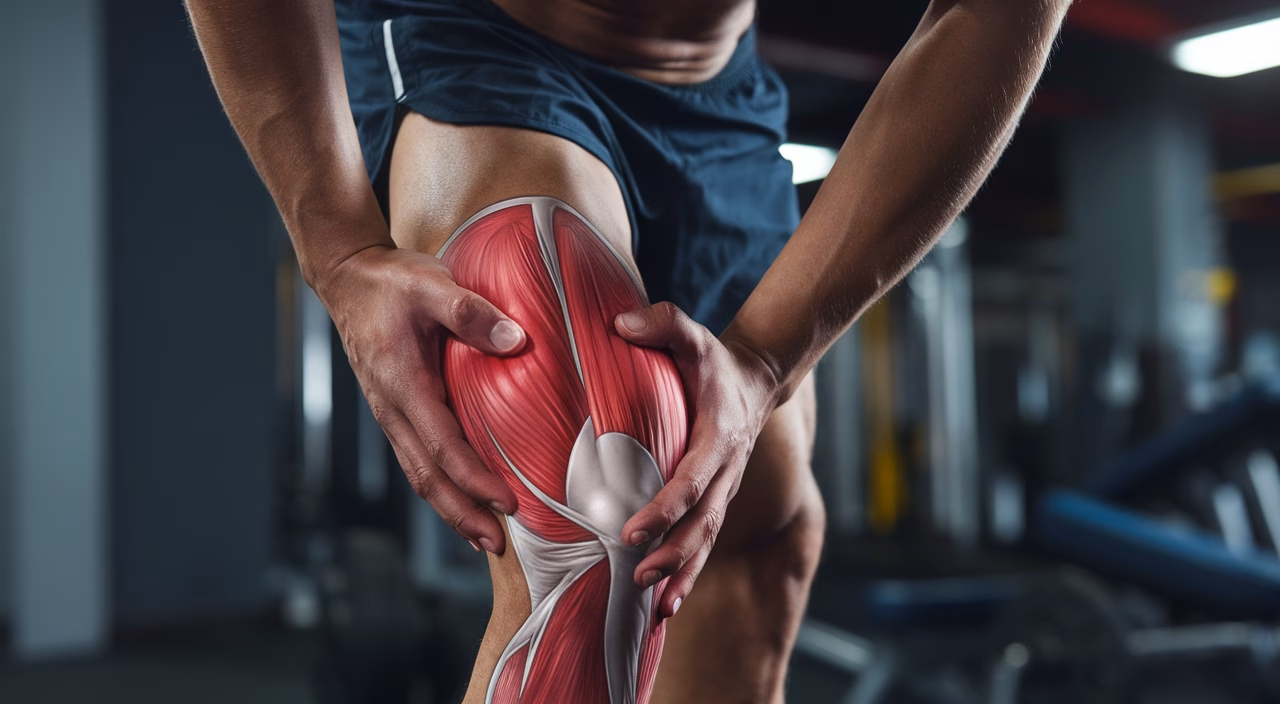
Let’s start with the usual suspects—overuse and strain. When you push your muscles beyond their comfort zone, perhaps during an intense workout or marathon home improvement project, you create microscopic damage to muscle fibers. This microtrauma, while a normal part of muscle building, can lead to sharp or delayed soreness (known as DOMS—delayed onset muscle soreness).
Common muscle strain reasons include:
- Sudden increase in physical activity intensity
- Repetitive motions without adequate rest periods
- Poor warm-up or cool-down practices
- Dehydration and electrolyte imbalances
In my practice, I often see weekend warriors go from zero to sixty—like jumping into a pickup soccer game after months of inactivity—only to limp away the next day. Recovery here requires strategic rest, gentle range of motion exercises, and progressive return-to-activity plans.
2. Injury and Trauma
Unlike gradual overuse, trauma strikes abruptly. A twisting fall on a hike or a slip on the stairs can tear muscle fibers or bruise soft tissue beneath the skin. This type of muscle pain is localized, sharp, and often comes with visible swelling or bruising. If you feel a distinct “pop” at the moment of injury, you might be facing a moderate to severe strain or ligament sprain.
These root causes of muscle pain demand a different treatment approach, especially when structural damage is suspected. Think compression, strategic rest, ice in the early stages, and targeted physical therapy to restore full mobility.
3. Inflammatory Conditions
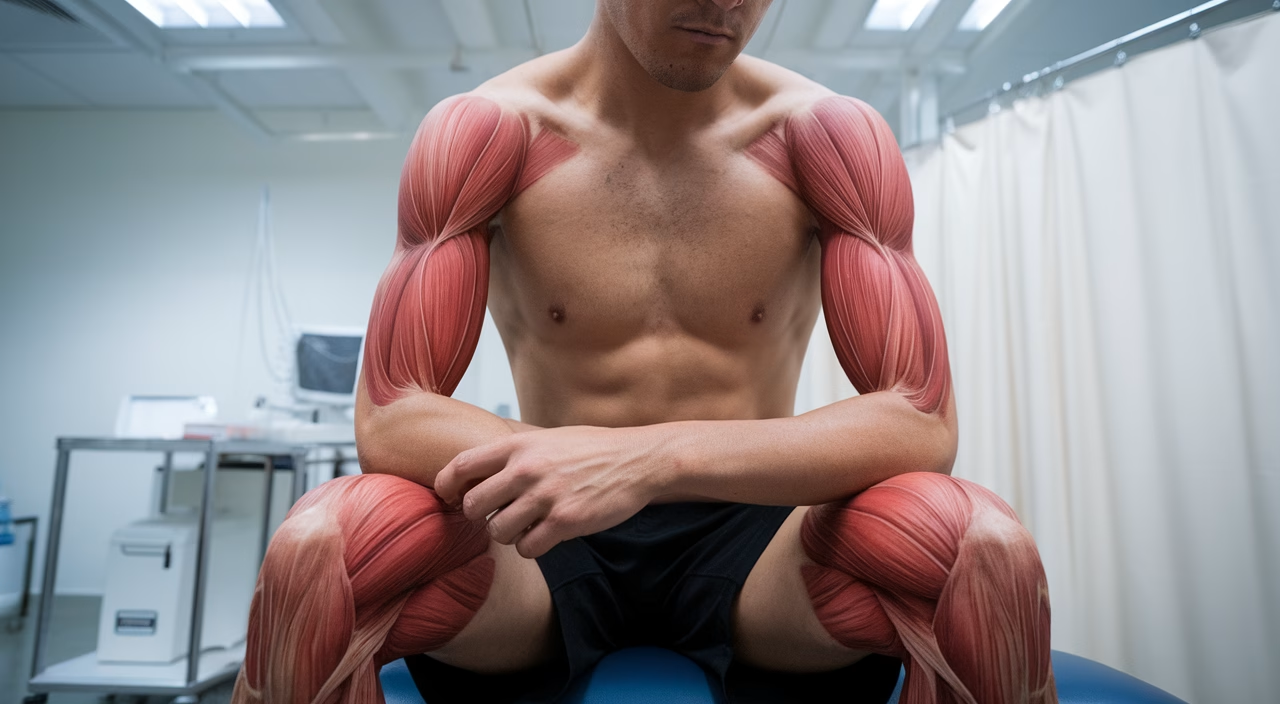
Not all soreness stems from physical activity. When your immune system mistakenly attacks your own muscle tissues, the result can be persistent muscle pain, weakness, and overwhelming fatigue. Welcome to the complex world of inflammatory muscle pain causes.
These conditions can include:
- Polymyositis – progressive muscle weakness and inflammation
- Dermatomyositis – muscle inflammation plus characteristic skin rashes
- Fibromyalgia – widespread pain and heightened sensitivity
- Lupus – autoimmune inflammation involving joints and muscles
These conditions are often chronic and systemic. You may notice muscle discomfort with no clear pattern or trigger. The pain may worsen with stress, sleep loss, or temperature changes. Treatment typically includes corticosteroids, immune-suppressing medications, and gentle therapeutic movement to manage flare-ups.
4. Medical Conditions
Sometimes, muscle aches signal a deeper systemic issue. When clients tell me they “feel sore all over” without any recent workout, I consider underlying medical conditions as potential root causes of muscle pain. These may include:
- Thyroid dysfunction – especially hypothyroidism, which causes muscle stiffness
- Chronic fatigue syndrome – presenting as tender points and persistent fatigue
- Neurological diseases such as multiple sclerosis or ALS
- Electrolyte imbalances (low potassium or calcium levels)
- Infections like influenza, COVID-19, or Lyme disease
These root causes of muscle pain can be elusive and require careful evaluation. Diagnostic bloodwork, imaging studies, and comprehensive physical assessments typically guide us toward answers. Addressing the primary condition usually leads to significant muscle pain relief.
5. Prevention and Treatment Options for Muscle Pain
By now you understand: muscle discomfort isn’t always a one-size-fits-all struggle. Here’s how we can effectively treat muscle pain and prevent muscle pain recurrence:
Daily Movement Habits
- Prioritize dynamic warm-ups before any workout or physical activity
- Cool down with stretches targeting major muscle groups
- Incorporate strength training routines 2–3 times per week
Hydration & Diet
- Stay consistently well-hydrated—electrolyte-enhanced drinks help during intense activity
- Eat anti-inflammatory foods: leafy greens, fatty fish, berries, and nuts
Alternative Therapies
| Treatment Option | Description | Ideal for |
|---|---|---|
| Massage Therapy | Reduces tension, increases circulation | Stiff, overused muscles |
| Dry Needling | Targets muscle trigger points | Chronic knots and pain |
| Physical Therapy | Customized movement plans | Post-injury recovery |
Cost Guide for Muscle Pain Treatment
| Treatment Type | Low-End | Mid-Range | High-End |
|---|---|---|---|
| Massage Therapy | $60/session | $90/session | $150+/session |
| Physical Therapy | $80/session | $120/session | $200/session |
| Acupuncture | $50/session | $85/session | $130/session |
Final Thoughts
Understanding the real muscle pain causes is like solving a personal health puzzle. Every ache tells a story—whether it’s a sign you’ve pushed too hard, injured something, or your body is trying to communicate something deeper. As a physical therapist, I see time and again how crucial it is to listen to those signals early and take action.
If you’ve been dealing with muscle pain more often than not, don’t brush it off as “just getting older” or “part of being active.” Discovering the root causes of muscle pain puts you in a powerful position to change your pain story. Through smart movement patterns, tailored therapy approaches, and strategic lifestyle shifts, you can not only feel better—but stay better for the long haul.
Frequently Asked Questions
Why do my muscles get sore really easily?
This can point to several muscle pain causes: poor conditioning, chronic dehydration, nutritional gaps, or even underlying inflammation. Start by easing into new activities and prioritizing recovery habits. If the pattern continues, consider getting evaluated for underlying medical conditions.
What is the difference between strain and soreness?
Strain involves actual muscle or tendon damage—often sudden pain, visible bruising, or significantly limited movement. Regular soreness, especially delayed onset (DOMS), results from microtears during exercise and usually fades within 1–3 days.
Can inflammation cause long-term muscle pain?
Absolutely. Inflammatory muscle pain causes like polymyositis or fibromyalgia involve chronic inflammation and require comprehensive medical treatment, careful exercise modification, and systemic care approaches.
Is muscle pain ever a warning of serious illness?
Persistent or unexplained muscle pain may signal thyroid issues, autoimmune disease, infections, or neurological problems. These root causes of muscle pain shouldn’t be ignored—don’t hesitate to speak with your healthcare provider for proper evaluation.
What’s the fastest natural way to relieve sore muscles?
Gentle stretching, proper hydration, Epsom salt baths, and light movement often provide relief. Foam rolling and magnesium-rich foods (like leafy greens and nuts) can make a significant difference in your treatment options for muscle pain.
Should I work out through the pain?
No—pain is your body’s warning signal. While mild muscle soreness may be manageable, sharp or persistent discomfort requires rest and proper assessment before resuming activity.
How can I prevent muscle pain from returning?
Focus on proper warm-ups, stay consistently hydrated, introduce new exercises progressively, and prioritize quality sleep with a balanced diet. Most importantly—listen to your body’s signals and address muscle pain causes early before they become chronic issues.