
What’s the Real Link Between Scapular Dysfunction and Neck Pain?
Your shoulder blade—or scapula—plays a critical role in supporting your neck. When scapular dysfunction in neck pain occurs, it creates a domino effect of muscle imbalance, nerve involvement, and postural stress. This scapular instability and neck pain connection often leads to cervical discomfort that seems mysterious or difficult to treat at first.
TL;DR: Key Takeaways on Scapular Dysfunction in Neck Pain
- The scapula’s stability directly impacts neck biomechanics. Weakness in stabilizing muscles leads to overstressed neck muscles.
- Scapular dyskinesis and cervical symptoms often go hand-in-hand. You’re not imagining that upper back tightness.
- Simple tests like passive scapular elevation and neck rotation reveal imbalances affecting your neck.
- Targeted scapular dysfunction exercises for neck pain relief can provide lasting comfort.
- Habitual posture contributes to dysfunction—especially in desk workers and athletes.
Exploring the Connection Between Scapular Dysfunction and Neck Pain
A. What is Scapular Dysfunction?
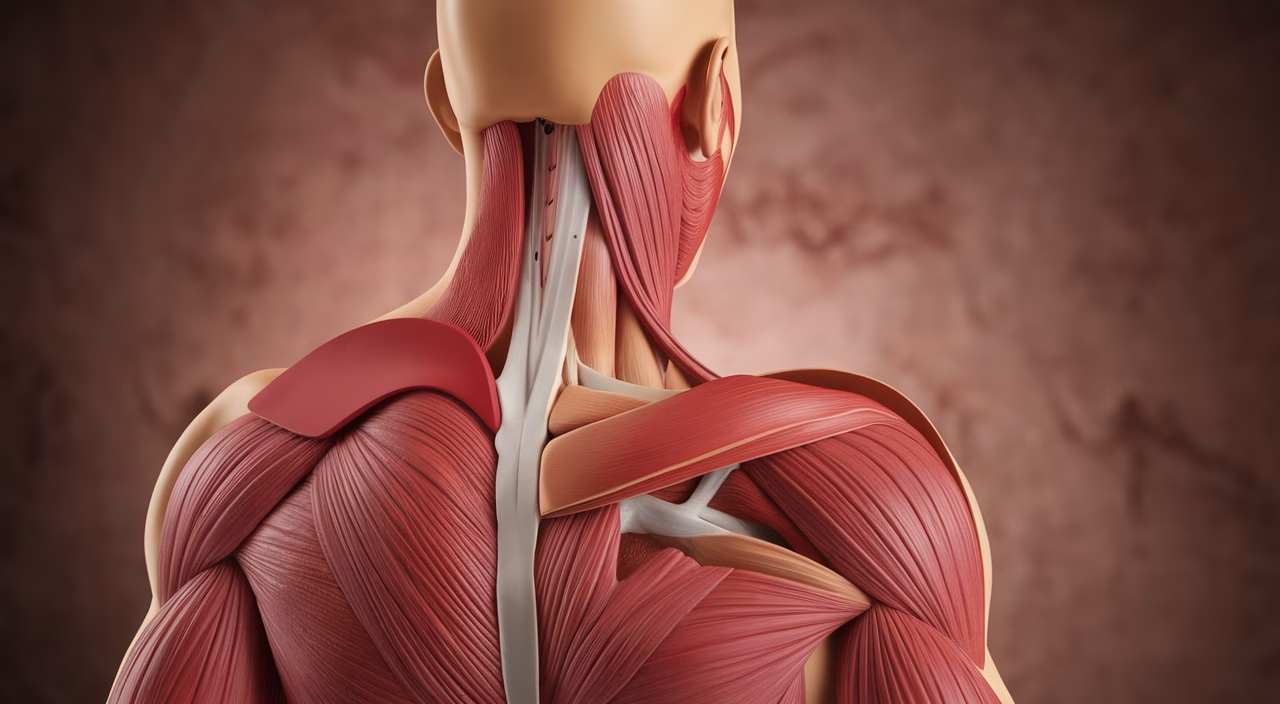
Scapular dysfunction in neck pain refers to abnormal movement or positioning of the shoulder blade that directly affects cervical comfort. This could mean the scapula sits too low or high, tilts forward, or wings outward during movement. These changes are often subtle—but small misalignments in this key joint can throw off the entire mechanics of the upper body.
The condition manifests through scapular dyskinesis and cervical symptoms, including abnormal motion, scapular instability and neck pain patterns, or even ‘floating scapula’ syndrome.
This dysfunction puts stress on nearby muscles like the upper trapezius, levator scapulae, and deep cervical flexors—leading to persistent discomfort in the neck area.
B. How Does Scapular Dysfunction Impact Neck Pain?
Here’s what often happens with scapular instability and neck pain: when your scapula isn’t stabilized—especially during arm or overhead movements—your neck muscles step in to ‘help’ control the shoulder blade. This unintended compensation leads to overuse, tension, and fatigue in the neck.
Imagine trying to rotate your head, but your shoulder blade is pulling the entire shoulder girdle out of alignment. That’s why passive scapular elevation and neck rotation testing is crucial for assessment. When you manually lift the scapula and feel relief in neck movement, it strongly suggests scapular dysfunction in neck pain patterns.
Diagnosing Scapular Instability in Relation to Neck Pain
A. Symptoms of Scapular Dyskinesis
Scapular dyskinesis and cervical symptoms often go undiagnosed because the pain presents primarily in the neck, not the shoulder. Yet, the root cause of scapular instability and neck pain often lies beneath the shoulder blade.
- Chronic neck strain or stiffness (especially on one side)
- Difficulty turning the head, particularly after long periods at a desk
- Pain at the base of the skull and upper trapezius
- Snapping, clicking, or uneven movement of the shoulder blade
- Localized fatigue in the shoulder or upper back with minimal arm use
These scapular dysfunction in neck pain signs usually surface during or after poor posture, repetitive movements, or muscle fatigue. If you feel cracking or rubbing beneath the shoulder blade—and neck pain shortly after—it may signal altered scapular mechanics.
B. Importance of Proper Diagnosis for Effective Treatment
Accurate diagnosis of scapular instability and neck pain starts with a biomechanical evaluation by a professional. Tests such as passive scapular elevation and neck rotation, scapular assistance test (SAT) or scapular retraction test (SRT) help determine if shoulder blade movement is related to your cervical symptoms.
As physical therapists, we assess not just cervical range of motion but also observe positional awareness for scapular dyskinesis and cervical symptoms: where is your scapula resting? Does it wing when moving the arm? Is your upper trapezius dominant?
Identifying these patterns ensures your exercise plan targets the right problem—not just masking symptoms with temporary remedies.
Treatment Strategies for Managing Scapular Dysfunction and Neck Pain
A. Physical Therapy and Rehabilitation Exercises
Here’s where hope begins for addressing scapular dysfunction in neck pain. With consistent practice of targeted exercises, scapular instability and neck pain—along with associated cervical discomfort—can be significantly reduced or eliminated.
Top Scapular Dysfunction Exercises for Neck Pain Relief:
- Wall Angels: Strengthens middle trapezius and improves scapular control while reducing neck tension.
- Serratus Punches (with resistance): Re-trains the serratus anterior, a key scapular stabilizer that supports cervical alignment.
- Scapular Clocks: Improves motor control and proprioception of scapular movement to ease neck strain.
- Isometric Retraction Holds: Builds endurance in postural muscles that prevent scapular dyskinesis and cervical symptoms.
- Modified Prone Y and T: Develops integration between shoulder blade mobility and cervical support muscles.
Start slow with these scapular dysfunction exercises for neck pain relief and focus on quality of movement—all exercises should correct the motion patterns, not reinforce dysfunction.
B. Lifestyle Modifications for Improved Neck Health
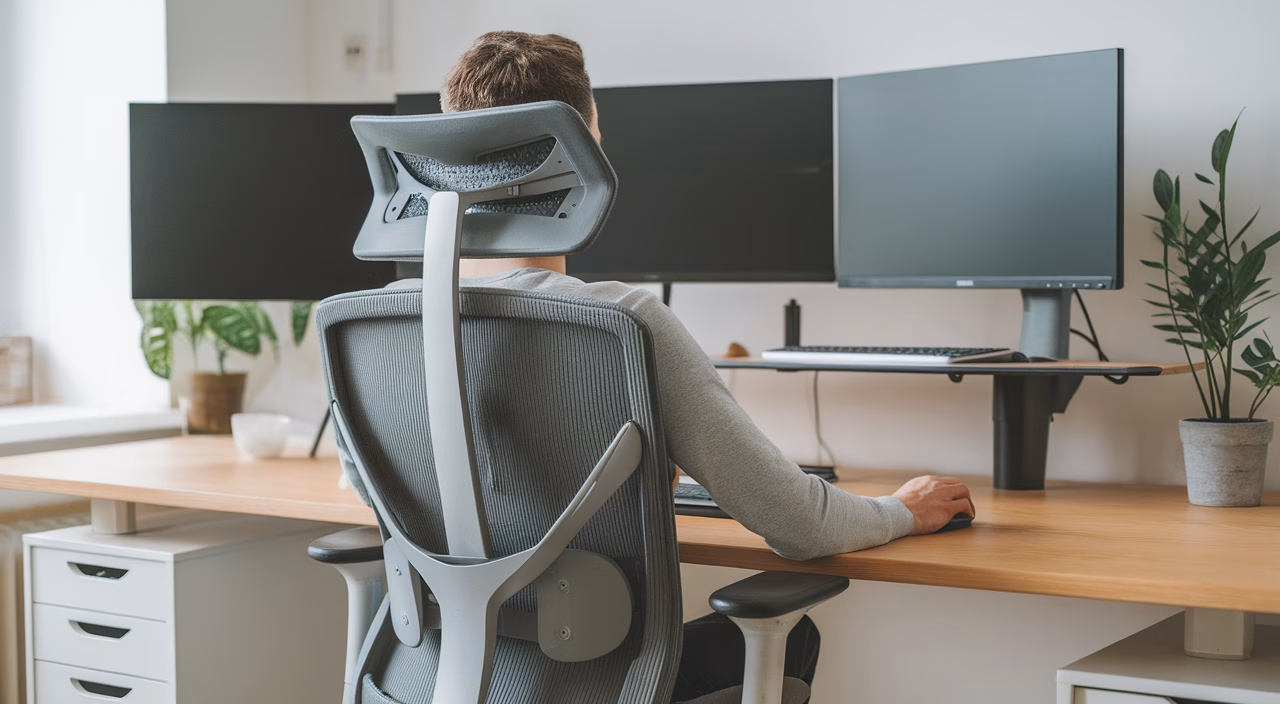
Even the best scapular dysfunction exercises for neck pain relief will fall short if daily habits continue stressing your cervical spine and shoulder blades. We recommend modifying both your environment and routines with awareness:
- Ergonomic workstation setup: Align screen height with eye level to prevent scapular dysfunction in neck pain patterns
- Break posture cycle: Change positions every 30 minutes to prevent scapular instability and neck pain buildup
- Offloading weight: Use backpacks with two straps, distribute load evenly across shoulders
- Relaxation techniques: Try diaphragmatic breathing to ease upper trap tension and support how to correct scapular dyskinesis to alleviate neck pain
When sustained posture becomes dynamic movement, you begin to allow the scapula and spine to function in harmony again.
Cost Guide: Scapular Instability Treatment Options for Neck Pain
| Treatment Option | Estimated Cost | Notes |
|---|---|---|
| Home Exercise Plan | $0 – $50 | Use videos or printed plans |
| One-on-One Physical Therapy | $60 – $150/session | Customized rehab plan and expert assessment |
| Postural Ergonomic Equipment | $30 – $200 | Desks, supports, cushions |
| Integrative Movement Training | $80 – $120/session | Includes yoga, Pilates, neuromuscular patterns |
Final Thoughts: How to Correct Scapular Dyskinesis to Alleviate Neck Pain
The shoulder blade might not seem like the most glamorous part of your body—but when it comes to neck health, it’s a VIP. Understanding how to correct scapular dyskinesis to alleviate neck pain through the connection between scapular instability and neck pain is key to lasting relief.
You can restore proper function through targeted scapular dysfunction exercises for neck pain relief, correct posture, and daily movement variety. What starts as small improvement in scapular engagement through passive scapular elevation and neck rotation techniques can lead to transformative changes in how your neck feels, moves, and thrives.
Frequently Asked Questions
Can scapular instability cause neck pain?
Yes. When the scapula doesn’t move or rest properly, neck muscles compensate—leading to overload, tension, and chronic pain.
What are the best scapular dysfunction exercises for neck relief?
Wall angels, serratus punches, scapular clocks, and prone Y/Ts are top picks for retraining stabilization and reducing pain.
How can I tell if I have scapular dyskinesis?
If you have uneven scapular movement, shoulder blade winging, or improved neck rotation with scapular support—you might have dyskinesis.
Is it possible to fix scapular instability at home?
Yes, with proper exercises and postural changes. However, a guided assessment ensures safer and quicker results.
How long does it take to relieve neck pain caused by scapular dysfunction?
With consistency, many individuals see relief in 4–6 weeks, though it can vary based on severity and daily habits.
Do I need special equipment to correct scapular movements?
Not necessarily. You can perform most corrective exercises using just your bodyweight or resistance bands.
How is passive scapular elevation used in treatment?
It’s both an assessment and therapeutic technique; lifting the scapula improves neck movement and reveals scapula-driven pain.