
Why Do You Feel Sleepy After Eating?
If you’ve ever wondered why you feel sleepy after eating, you’re not alone. That heavy-lidded, couch-calling fatigue that sets in after meals affects millions of people daily—and it’s not just your imagination.
Here’s what’s happening: When you consume a meal rich in processed sugars or high-glycemic carbs, your blood sugar levels spike rapidly. Your body rushes to produce insulin to bring those levels down, often leading to a swift blood sugar crash. This crash makes you feel tired, sluggish, and mentally foggy—a phenomenon nutritionists call post-meal fatigue.
TL;DR — Quick Fixes and Facts
- Feeling sleepy after eating? You’re likely experiencing a blood sugar crash triggered by high-sugar or heavy meals.
- Processed foods, especially refined carbs and sugary snacks, are top contributors to post-meal fatigue.
- Balanced meals with protein, fiber, and healthy fats can help you sustain energy levels throughout the day.
- Post-meal fatigue isn’t inevitable—with the right food strategy, you can stay alert and energized.
- Natural remedies like green tea, ginseng, and digestive support herbs can further boost your post-meal stamina.
Impact of Processed Sugars on Blood Sugar Levels

Understanding why you feel sleepy after eating starts with knowing how processed sugars affect your blood sugar. Think of your blood sugar like a roller coaster—a bite of a muffin or sugary cereal sends it flying up fast. The problem? What zooms up must come crashing down.
Your body responds by releasing insulin, a hormone that helps cells absorb sugar from your blood. But it often overcorrects, plunging your blood sugar below where it started. This creates the perfect storm for post-meal fatigue.
Processed sugars are the main culprits because they lack fiber, protein, or fat that naturally slow digestion. This is why reaching for pastries, soda, or white bread during lunch might be the very reason you’re feeling sleepy after eating by 2 PM.
Foods to Avoid for Post-Meal Fatigue
Examples of High-Sugar and Starchy Foods
Certain everyday foods might seem harmless, but they could be the hidden cause of why you feel sleepy after eating. Let’s identify the common dietary energy drainers that trigger post-meal fatigue.
| Food Type | Examples | Why It Causes Fatigue |
|---|---|---|
| Refined Grains | White bread, bagels, pasta | Quickly digested; causes sugar spike and crash |
| Processed Breakfast Items | Sugary cereals, pastries, pancakes | Low in protein/fiber; sugar-heavy |
| Sweetened Beverages | Soda, sweetened iced tea, energy drinks | Pure sugar source, absorbed quickly |
| Snacks | Potato chips, cookies, granola bars | High in sugars and refined starches |
| Fast Food Combos | Fries & burgers with soda | High glycemic load and poor nutrient balance |
Even foods labeled as “low-fat” or “diet-friendly” often compensate with added sugars to enhance taste—creating the same energy roller coaster. Recognizing these hidden sugar traps is crucial for preventing post-meal fatigue.
Tips for Sustaining Energy Levels
Best Foods to Boost Energy
The secret to avoiding that sleepy after eating feeling lies in balancing what’s on your plate. Your meals should combine complex carbs with lean proteins and healthy fats to prevent post-meal fatigue. Here are foods scientifically proven to support sustained energy:
- Whole grains: Oats, quinoa, brown rice—provide slow-releasing carbs that prevent crashes
- Lean proteins: Eggs, turkey, Greek yogurt—stabilize energy by slowing digestion and preventing spikes
- Healthy fats: Avocado, olive oil, nuts—support cognitive function and help you avoid feeling sleepy after eating
- Fiber-rich veggies: Spinach, broccoli, carrots—aid digestion and reduce glucose spikes that cause fatigue
- Natural sugars (in moderation): Berries, apples—when paired with protein, they won’t trigger post-meal fatigue
Pro tip: Never eat carbs alone. For example, swap that toast-only breakfast with whole-grain bread topped with smashed avocado and a poached egg to prevent feeling sleepy after eating.
Natural Remedies for Post-Meal Fatigue
Herbs and Supplements for Energy
Even with perfect meal planning, you might still experience occasional post-meal fatigue. That’s where natural remedies shine—offering gentle, holistic support to keep you energized after eating.
- Green Tea: Provides a mild caffeine boost with L-theanine to keep you calm, focused, and less likely to feel sleepy after eating.
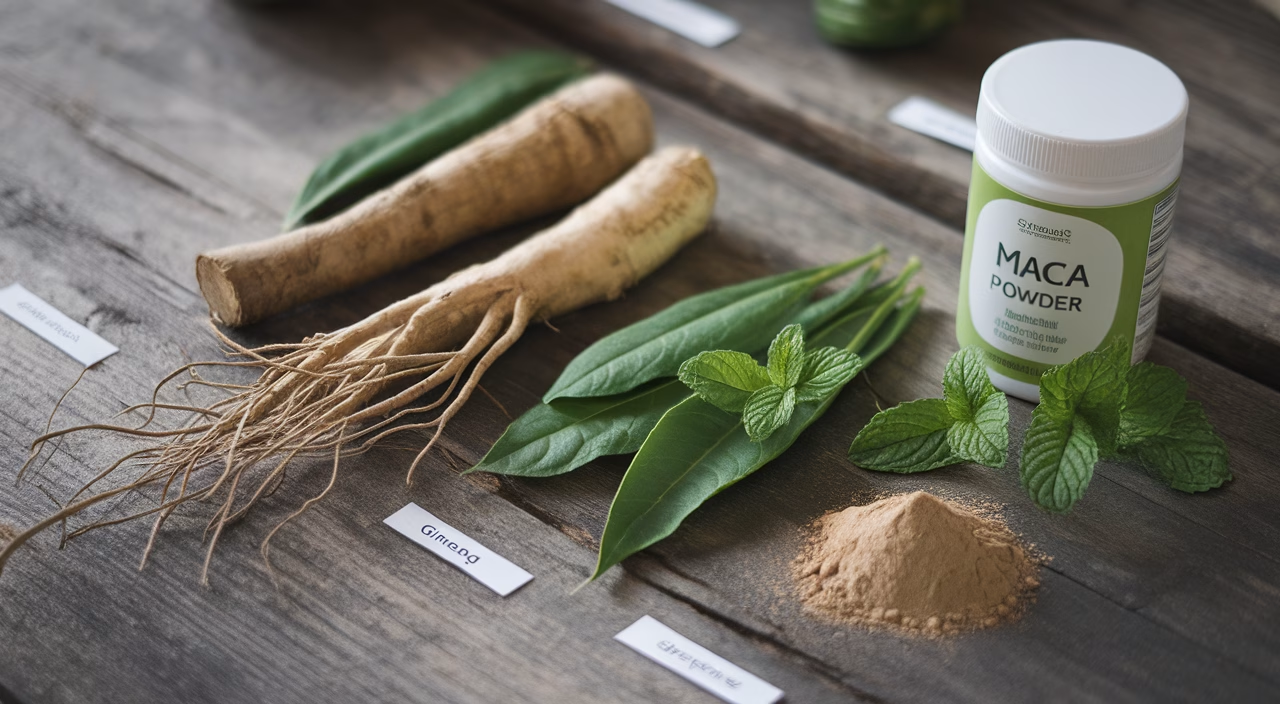
- Ginseng: This adaptogenic herb increases stamina and reduces fatigue, making it perfect for combating post-meal fatigue.
- Peppermint: Soothes digestion and reduces the sluggishness that often accompanies heavy meals.
- Maca Root: Enhances endurance and fights feelings of burnout that contribute to feeling sleepy after eating.
- Magnesium: Promotes energy production at the cellular level and helps prevent the fatigue cycle.
A warm cup of herbal tea or a morning smoothie with energy-enhancing herbs can ease digestion and promote mental clarity—making a significant difference in preventing post-meal fatigue.
Cost Guide: Building an Energy-Friendly Pantry
| Category | Examples | Price Range |
|---|---|---|
| Whole Grains | Oats, quinoa, brown rice | $2 – $6 per lb |
| Protein Sources | Eggs, tofu, chicken breast | $1.50 – $6 per lb |
| Healthy Fats | Olive oil, nuts, seeds | $3 – $12 per item |
| Natural Supplements | Ginseng, maca root, magnesium | $10 – $30 per bottle |
Final Thoughts: Energize Through Smarter Eating
Feeling sleepy after eating doesn’t mean you’re doomed to a life of afternoon fog or chronic post-meal fatigue. It’s often your body’s response to what it’s digesting—and you have complete control over that. By avoiding fast-digesting sugars and carb-heavy processed foods, and embracing steady, nutrient-rich meals, you can maintain mental clarity and physical stamina throughout the day.
The next time that yawning wave hits you after lunch, take a peek at your plate: is it working for you—or against you? With these strategies, you’ll never have to ask “why do I feel sleepy after eating” again.
Frequently Asked Questions
Can processed foods make you tired?
Yes, processed foods high in sugars and refined carbs can cause rapid spikes and drops in blood sugar, leading to fatigue shortly after meals.
Not always, but diet is one of the most common causes. Other factors include dehydration, lack of sleep, or underlying health conditions.
What’s the best lunch to avoid post-meal fatigue?
A balanced plate with lean protein (like grilled chicken), complex carbs (like quinoa), and vegetables can help prevent post-meal tiredness.
Do food intolerances affect post-meal energy?
Absolutely. Foods that your body struggles to digest, like dairy or gluten for some people, can cause inflammation and fatigue after eating.
How long does post-meal fatigue last?
It varies, but typically you’ll feel the crash 30-60 minutes after eating and it can last for an hour or more unless balanced with healthy habits.
Can drinking more water help energy levels?
Yes, hydration supports better digestion and nutrient absorption, which directly impacts how energized you feel after meals.