What Are the Best Breathing Techniques for Stress Relief?
Breathing techniques for stress relief are powerful methods of intentional respiratory control that help calm your nervous system, lower cortisol levels, and reduce mental and physical tension. The most effective breathing exercises—such as diaphragmatic breathing, box breathing, and the 4-7-8 method—work through regulated breathing patterns that trigger your body’s relaxation response within minutes. Whether you’re managing anxiety at work or need instant stress relief at home, you can use these proven techniques anywhere, anytime, for immediate results.
TL;DR: Quick Guide to Instant Calm with Breathwork
- Simple and effective: Breathing exercises calm the nervous system in under five minutes.
- Scientifically backed: Regulated breathing slows heart rate and reduces cortisol levels.
- Best methods: Diaphragmatic, box breathing, and 4-7-8 are top techniques for immediate relief.
- Daily use: Integrate breathwork into your morning, bedtime, or midday breaks.
- Mind-body connection: Conscious breathing improves emotional resilience and mental clarity.
Understanding Stress and Breathing
Importance of Breathing in Stress Management
Let’s start with something deceptively simple—your breath. It’s the very first thing you do after birth, yet many of us breathe shallow and tight, especially during stress. When you’re anxious or overwhelmed, your body enters ‘fight or flight’ mode. Your breathing exercises become rapid, your heart races, and you feel out of control.
This stress response happens automatically—but breathing techniques for stress relief can interrupt it. By changing how you breathe, you can guide your body from panic to peace. This isn’t just wishful thinking—it’s proven physiology. Deep, controlled breathing activates the parasympathetic nervous system, signaling to your body, “You’re safe now.”
Here’s what typically happens: you’re sitting at your desk, racing against a deadline. Your jaw tightens, shoulders creep toward your ears, thoughts spiral. But if you pause and practice diaphragmatic breathing—inhaling deeply through your nose, holding gently, then exhaling very slowly—the chaos begins to fade. This breathwork isn’t just momentarily soothing—it actually rewires your stress response over time.
Top Breathing Exercises for Instant Calm
Diaphragmatic Breathing
Also known as abdominal or belly breathing, this foundational breathing technique promotes full oxygen exchange—naturally slowing your heartbeat and lowering blood pressure.
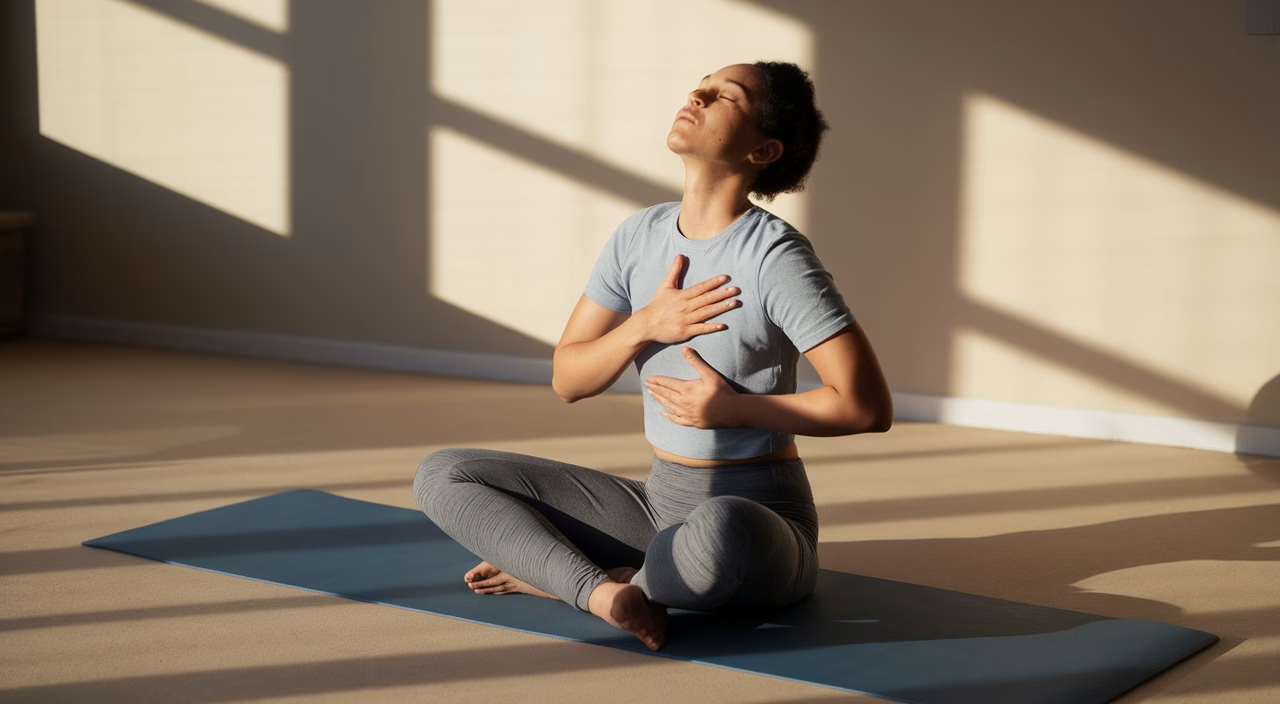
- How to do it: Sit or lie down comfortably. Place one hand on your chest, one on your belly. Inhale deeply through your nose, letting your belly rise while your chest stays relatively still. Exhale slowly through pursed lips; feel your belly gently fall.
- Benefits: Eases physical tension, improves oxygen delivery, supports digestion, reduces cortisol levels for instant stress relief.
- When to use: Before bed, during stressful meetings, post-workout cooldown, or whenever you need grounding.
Box Breathing Technique
Popular with high-performers like athletes and first responders, box breathing brings symmetry and control to your breath, making it one of the most effective breathing exercises for focus.
- How to do it: Inhale for 4 counts → hold for 4 → exhale for 4 → hold for 4. Repeat this breathing pattern for five complete cycles.
- Benefits: Increases mental focus, balances mood, calms nervous energy, provides instant stress relief.
- Best for: Stressful transitions, public speaking preparation, commutes, or any time you need centered focus.
4-7-8 Breathing Method
Developed specifically for relaxation and sleep support, this breathing technique transforms shallow, anxious breathing into a peaceful, restorative rhythm.
- How to do it: Inhale quietly through your nose for 4 seconds → hold your breath for 7 → exhale audibly through your mouth for 8 counts.
- Benefits: Dramatically slows heart rate, eases anxiety, promotes sleepiness, delivers instant stress relief.
- Use when: Experiencing panic attacks, having trouble falling asleep, or feeling emotionally overwhelmed.
| Breathing Technique | Time Needed | Main Benefit |
|---|---|---|
| Diaphragmatic Breathing | 2–3 minutes | Physical and emotional relaxation |
| Box Breathing | 5 minutes | Focus and nervous system balance |
| 4-7-8 Method | 1–2 minutes | Sleep support and anxiety relief |
Incorporating Breathing Techniques into Your Daily Routine
Breathing techniques for stress relief work best when practiced consistently, like brushing your teeth for mental hygiene. Here’s how to make these breathing exercises a natural part of your day:
Morning and Evening Relaxation Rituals
Start each morning with 3–5 minutes of diaphragmatic breathing. Set an intention for your day: calm, focus, or joy. At night, practice 4-7-8 breathing while lying in bed. This creates bookends of stillness and trains your nervous system to respond calmly under pressure, giving you reliable access to instant stress relief.
Using Breathing Techniques at Work or School
Waiting for a Zoom call to start? Practice box breathing. Heading into an exam? One round of 4-7-8 breathing clears mental fog. Even bathroom breaks can become mini-resets when you use conscious breathwork. The key is frequency over duration—these breathing exercises work through consistent, brief practice.
Additional Tips for Managing Stress Effectively
Mindfulness Practices for Stress Reduction
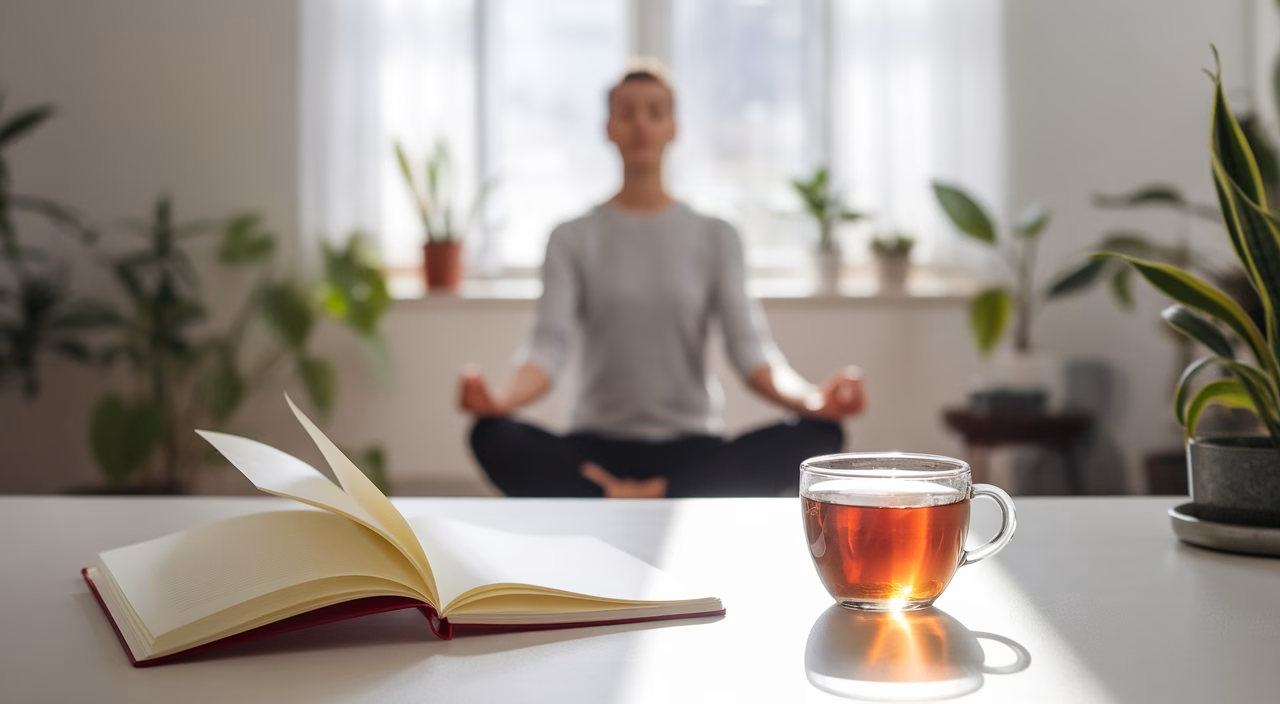
Combining breathing techniques with mindfulness amplifies the stress relief benefits. Try this simple approach: sit quietly, breathe in, and silently label the breath (“In”). Breathe out and think, “Out.” Nothing fancy, but deeply grounding. Over time, this builds emotional awareness and mental clarity while strengthening your breathing practice.
Physical Exercise and its Impact on Stress Levels
Movement—like walking, yoga, or stretching—naturally encourages fuller breathing and reduces stress hormones. Consider combining breathwork with movement: inhale deeply while extending arms overhead, exhale slowly while folding forward. This synergy creates more powerful instant stress relief than either technique alone.
Monitoring Your Progress
Keeping a Stress Journal
Track how you feel after each breathing exercise. Note the time of day, your stress intensity before and after, and which breathing technique you used. Patterns will emerge—perhaps morning box breathing lifts your mood most effectively, or nighttime 4-7-8 breathing helps you release tension fastest.
Seeking Professional Help When Needed
If you notice that even with consistent breathing techniques for stress relief, overwhelming stress still dominates your days, reaching out to a mental health professional is a wise next step. Breathing exercises are powerful—but they’re one tool in a comprehensive toolbox that includes therapy, healthy boundaries, and lifestyle changes.
Final Thoughts
Your breath is always available to you. It’s the invisible bridge between stress and peace, ready to provide instant stress relief—not just when life becomes overwhelming, but as a daily sanctuary. Mastering breathing techniques for stress relief isn’t just self-care—it’s self-mastery. These breathing exercises teach presence, reveal power in gentleness, and offer a reliable pathway back to the calm that already exists within you.
Frequently Asked Questions
- Why do we shallow breathe when stressed?
When we feel threatened, our body goes into ‘fight or flight’ mode. Shallow breathing is a symptom of this response, preparing us to act quickly. Unfortunately, it also increases anxiety and reduces oxygen delivery. - Can I really reduce stress in minutes with breathing?
Yes. Techniques like box breathing or 4-7-8 breathing can activate your parasympathetic system almost immediately, lowering heart rate and calming your mind. - How often should I practice breathing exercises?
Start with at least once daily. Repetition builds muscle memory, so it eventually becomes a habit—even under pressure. - What’s the best technique for sleep issues?
The 4-7-8 method is ideal for sleep. Its long exhale activates rest-and-digest mode, making it easier to drift off. - Are breathing exercises safe for everyone?
Generally yes, but if you have respiratory conditions, consult a healthcare provider before starting any new technique. - Can kids use breathing techniques?
Absolutely. In fact, simple visual tools like “smell the flower, blow out the candle” help kids self-regulate effectively. - What’s the difference between chest and belly breathing?
Chest breathing is shallow and rapid, triggering stress. Belly (diaphragmatic) breathing is deeper and slower, promoting calm and better oxygen exchange.