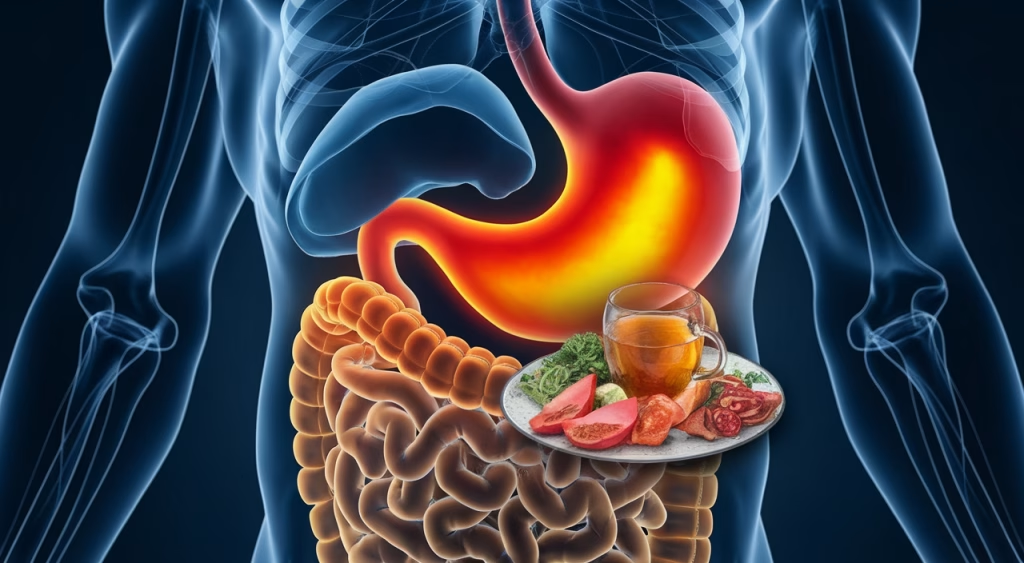
How Can I Prevent Acid Reflux Naturally?
You can prevent acid reflux naturally by making smart lifestyle adjustments that work with your body’s natural healing mechanisms. Focus on eating smaller meals throughout the day, avoiding trigger foods like spicy or fatty items, staying upright for at least 3 hours after eating, and maintaining a healthy weight. These natural prevention strategies help strengthen your lower esophageal sphincter and reduce stomach acid production without relying on medications.
TL;DR: Key Takeaways on Acid Reflux & GERD
- Acid reflux occurs when stomach acid backs up into your esophagus causing heartburn and irritation.
- Common GERD symptoms include burning chest pain, regurgitation, and a sour taste in the mouth.
- Root causes range from poor diet and obesity to hiatal hernias and chronic overuse of NSAIDs.
- Acid reflux treatment involves lifestyle changes, over-the-counter or prescription medications, and in severe cases, surgery.
- You can prevent acid reflux naturally through mindful eating, stress reduction, elevating your head while sleeping, and avoiding late-night meals.
Understanding Acid Reflux & GERD
Few things interrupt your day quite like that sudden, burning sensation creeping up your chest, often after a meal you thought would be harmless. If you’ve ever stared at the ceiling at 2 a.m. with heartburn, you know just how disruptive acid reflux can be.
Acid reflux happens when your lower esophageal sphincter (LES)—a small muscular ring at the bottom of your esophagus—opens improperly or doesn’t close all the way. This allows stomach acid to escape back up, causing painful esophagus inflammation and irritation in the esophagus lining.
When reflux symptoms happen frequently (two or more times a week), you might be dealing with a chronic condition called gastroesophageal reflux disease (GERD). While occasional reflux is common, especially after eating large meals, GERD signals a long-term pattern requiring dedicated care and attention.

What Is Acid Reflux?
Let’s break it down. Acid reflux is a digestive disorder where stomach acid or bile irritates your food pipe lining. When this acid travels the wrong way—up instead of staying in your stomach—you experience acid reflux symptoms like heartburn (a burning chest sensation), regurgitation, and bloating.
Think of it like your stomach is a sink. The LES is the drain. When that drain is faulty, stomach acid flows back up, causing a mess. Occasional splashes are annoying but manageable. But constant overflow? That’s where GERD starts to rear its head.
With time, neglected acid reflux can lead to severe esophagus inflammation (esophagitis), ulcers, or even narrowing of the esophagus, making swallowing painful and difficult.
Symptoms of Acid Reflux
Acid reflux symptoms may show up in different ways, not just heartburn. Here’s what you might notice:
- Burning sensation in the chest (especially after eating or when lying down)
- Sour taste in your mouth or bitter regurgitation
- Difficulty swallowing or a sensation of food stuck in your chest
- Chronic cough, laryngitis, or hoarseness
- Frequent burping or hiccups
Some people mistake GERD symptoms for anxiety or even cardiac issues due to the chest discomfort. If your heartburn relief needs increase during stressful moments or after heavy meals, you’re likely dealing with chronic acid reflux.
Causes of Acid Reflux
The root of acid reflux often lies in lifestyle—what you eat, how much, and when. But other factors also play a role. Here’s what contributes to acid reflux:
- Dietary triggers: Spicy foods, caffeine, chocolate, fried/fatty snacks, citrus, and tomatoes
- Weight gain: Excess abdominal pressure increases reflux events and stomach acid production
- Smoking: Weakens LES muscle tone and increases stomach acid
- Alcohol: Relaxes the LES, promoting backflow
- Hiatal hernia: A condition where the stomach bulges through the diaphragm
- Low stomach acid or bacterial imbalance: Often overlooked in chronic reflux cases
Treatment Options
Managing acid reflux is about more than popping antacids after a heavy meal. We treat the root—not just the flame. A layered approach combining diet adjustment, medications if needed, and even medical intervention where necessary helps restore balance to your digestive tract and provides lasting heartburn relief.
Lifestyle Changes
Before jumping into pills or procedures, many people find significant heartburn relief by tweaking daily habits:
- Eat small, frequent meals to reduce stomach acid production
- Don’t eat 2–3 hours before bedtime
- Sleep with head and shoulders elevated
- Practice mindful eating — slow down
- Identify and eliminate trigger foods — keep a food diary
Medications
Common acid reflux treatment options include:
| Medication Type | Function | Notes |
|---|---|---|
| Antacids | Neutralize existing stomach acid | For immediate, short-term relief |
| H2 Blockers | Reduce how much acid your stomach makes | Take before eating trigger foods |
| Proton Pump Inhibitors (PPIs) | Block acid production more powerfully | Best for long-term relief if taken under care |
Surgical Procedures
For persistent GERD symptoms not responding to medications and lifestyle adjustments, surgery may be an option. The most common approach is fundoplication, where the upper part of the stomach is wrapped around the LES to strengthen it and stop acid backwash. While effective, this is typically reserved for severe cases.

Prevention Tips
Here’s the part most people overlook—but it’s also the most empowering. If you catch acid reflux early or treat it consistently, you can keep it from turning into recurring GERD. Here’s how to prevent acid reflux naturally:
- Lose excess weight: Belly fat increases pressure on the LES and triggers more stomach acid production
- Raise the head of your bed: Gravity helps keep acid in the belly
- Eat slowly, chew thoroughly: Poor digestion can increase reflux risk
- Try herbal support: Ginger, chamomile, and slippery elm soothe the gut
- Focus on an acid reflux diet: Oats, bananas, lean proteins, green veggies
- Stay hydrated — but not while eating: Sip fluids between meals to avoid dilution of digestive juices
Cost Guide for Acid Reflux Treatment
| Approach | Low-End ($) | Mid-Range ($$) | High-End ($$$) |
|---|---|---|---|
| Lifestyle Adjustments | Free | Home tools (e.g., bed risers) | Nutritionist-led programs |
| OTC Medications | $5 – $15/month | $15 – $50/month | $50+/month (combination therapy) |
| Prescription PPIs | $25 | $50 – $100 | $150+/month without insurance |
| Surgery (e.g., Fundoplication) | N/A | $7,000 | $20,000+ |
Final Thoughts
Acid reflux doesn’t have to dictate what you eat, how you sleep, or how you live your day. When you understand the chemical chain inside your gut and respect the simple mechanisms that keep your food down where it belongs, you take back control. Whether it’s switching up your dinner hour, embracing mindfulness, or cutting back on inflammatory foods that trigger reflux symptoms, small steps offer powerful protection.
Trust your body’s signals. If something feels off after meals, lean in. Learning to prevent acid reflux naturally isn’t just a strategy—it’s a mindset. And with the right mix of science and self-care, you can achieve lasting heartburn relief, naturally.
Frequently Asked Questions (FAQ)
Why am I getting acid reflux constantly?
Constant acid reflux may be due to GERD, dietary habits, obesity, or a weakening of the LES. It’s a signal your body needs attention—adjusting meals, timing, and sleep position may help.
What foods trigger acid reflux the most?
Common culprits include spicy dishes, fried foods, tomato-based items, caffeine, chocolate, citrus fruits, and alcohol. Track your meals to determine what activates your symptoms.
Can stress cause acid reflux?
Absolutely. Stress doesn’t always cause more acid, but it weakens digestion and LES function, making reflux more likely during anxiety or panic episodes.
Is acid reflux the same as GERD?
No—acid reflux is usually occasional. GERD is a chronic, more serious form with symptoms occurring multiple times per week and potentially causing damage.
Does water help with acid reflux?
Yes, in moderation. Drinking water between meals can dilute and flush excess acid, but avoid large volumes during meals as it can worsen symptoms.
Is yogurt good or bad for acid reflux?
Plain, low-fat yogurt may soothe the esophagus. But flavored or full-fat versions can worsen symptoms, depending on individual tolerance.
At what point should I see a doctor for acid reflux?
If lifestyle changes and OTC medications don’t work, or if you experience symptoms more than twice a week, persistent throat clearing, or difficulty swallowing, it’s time to consult a specialist.