How does lighting affect productivity at work?
The lighting impact on productivity is more profound than you might realize. Whether it’s natural sunlight streaming through your window or artificial lighting casting shadows on your desk, the type, quality, and timing of your light exposure directly influences your mental clarity, energy levels, and overall work performance throughout the day.
TL;DR: Quick Summary — Why Lighting Matters for Your Energy at Work
- Lighting impacts your circadian rhythm, which controls your energy levels, mood, and productivity cycles.
- Artificial lighting effects on energy levels can cause fatigue, eye strain, and poor concentration if not optimized.
- Boost energy with smart lighting by using adjustable color temperatures and brightness levels tailored to the time of day.
- Improve focus with proper lighting by balancing natural and artificial light sources strategically in your workspace.
- Wellness-focused office lighting isn’t a luxury—it’s a necessity for sustained performance and well-being.
1. Understanding the Impact of Lighting on Energy Levels
1.1 The Science Behind Lighting and Circadian Rhythms
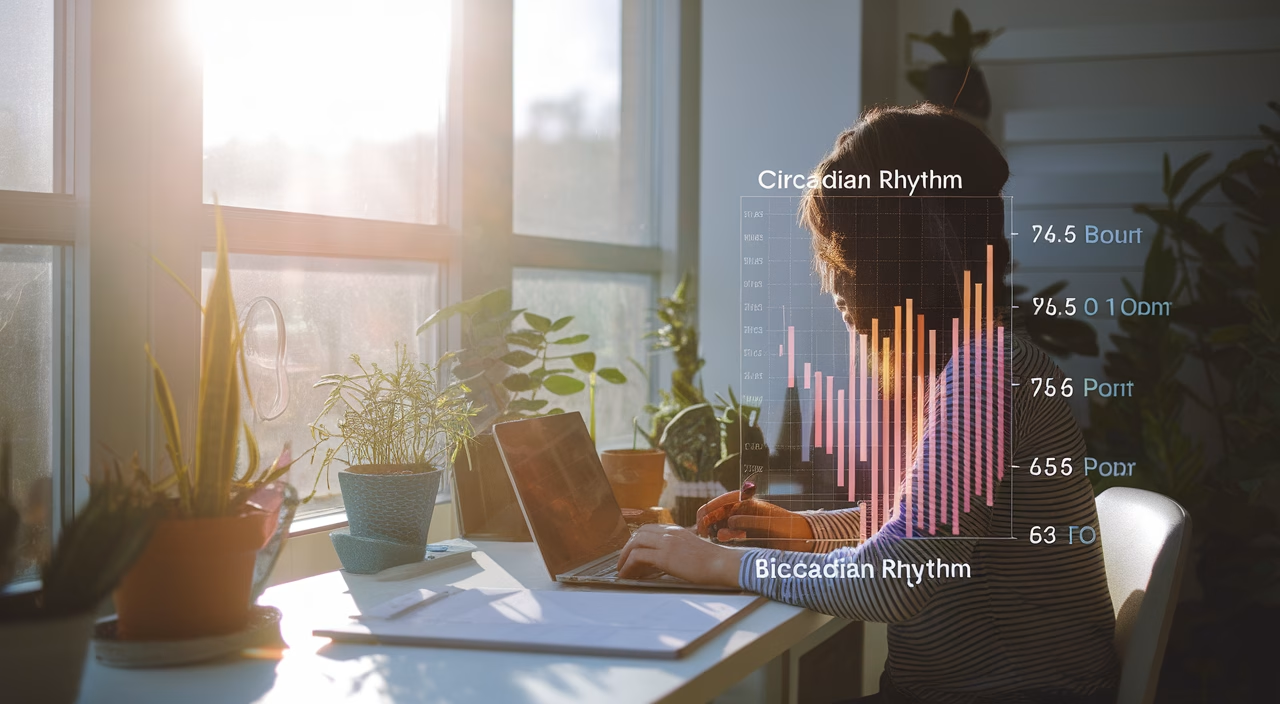
Your body’s internal clock—known as the circadian rhythm—is heavily influenced by light exposure. Morning light tells your brain it’s time to wake up and be alert. As the day turns to evening, dimming light cues melatonin production, prepping your body for rest. When lighting doesn’t mimic this natural cycle, your body gets confused—resulting in sluggishness during the day and trouble sleeping at night.
This internal process is more sensitive than most people realize. Studies show that even short exposures to overly dim or overly blue-toned light can blunt your attention span and disrupt your drive to focus or complete tasks. Constant, poorly regulated office lighting can result in a “wired-but-tired” state where your brain doesn’t shut down properly at night nor fully power up during the day. Understanding this connection is crucial when you want to improve focus with proper lighting.
1.2 Common Types of Artificial Lighting in the Workplace
Not all artificial light is created equal, and the artificial lighting effects on energy levels vary significantly. Here’s a quick breakdown of the most common types and how they affect energy levels:
| Type of Light | Energy Impact | Best Use |
|---|---|---|
| Fluorescent | Fatigue-inducing, harsh on eyes | Better with diffusers or ambient pairing |
| LED | Customizable, energy-efficient | Ideal with adjustable color temperature |
| Halogen | Closest to sunlight | Good for detailed tasks |
| Incandescent | Warm, low-stimulus | Good for relaxed or lounge areas |
2. Signs Your Lighting Might Be Making You Tired
2.1 Symptoms of Poor Lighting at Work
You might not realize that your lighting is silently draining you until your energy takes a dive midafternoon. The lighting impact on productivity becomes clear when you recognize these telltale symptoms:
- Persistent eye strain or squinting
- Increased headaches by end of day
- Daytime drowsiness despite sleeping well
- Lack of motivation for complex tasks
- Feeling mentally foggy or unfocused
Here’s what often happens: You walk into work and start your day under flickering fluorescent tubes. Your eyes strain, your brain underperforms, and by 2 p.m., you’re reaching for coffee when better lighting would’ve done the trick.
2.2 How Lighting Can Impact Your Focus and Mood
Light doesn’t just affect how awake you feel—it can dial up or down your mood and attention span. Bright, cool-toned lighting simulates noon daylight, helping trigger serotonin and cortisol—key hormones for both mood stabilization and cognitive focus. When you improve focus with proper lighting, you’re essentially optimizing your brain chemistry for peak performance.
Warm-toned, low-level lighting fosters a sense of calm and is better suited for winding down or less intensive tasks. The key? Matching your light source to your specific goals at each stage of the workday.
3. Improving Your Work Environment with Proper Lighting
3.1 Tips for Choosing the Right Lighting for Your Workspace
Here are a few targeted ways to improve focus with proper lighting right at your desk or office:
- Layer your lighting: Combine ambient (general), task (focused), and accent (decorative) lighting.
- Use dimmable lamps to match light levels with your time of day.
- Choose adjustable LED lights that can shift color temperatures (from warm morning tones to cooler midday settings).
- Position lights to the side (not directly overhead) to reduce glare.
- Avoid fluorescent-only setups—they fatigue the eyes and disrupt focus.
3.2 Benefits of Natural Light Exposure During the Day
The benefits of natural light exposure are well-documented and play a crucial role in maximizing the lighting impact on productivity. Even 30–60 minutes near a window or, better yet, outside can increase alertness, enhance vitamin D production, and prime your mind for deeper focus.
Natural light improves sleep patterns, reduces eye strain, and even boosts your mood via the serotonin-boosting effect. If you work in a windowless area, consider full-spectrum bulbs designed to mimic daylight—these can be a game-changer for both morale and mental clarity.
4. Implementing Energy-Boosting Lighting Solutions
4.1 Smart Lighting Technologies for Increased Productivity
Welcome to the future of lighting: smart systems that adapt automatically to your daily schedule. When you boost energy with smart lighting, you’re investing in technology that works with your natural rhythms. Here’s what energy-boosting lighting solutions often include:
| Feature | Benefit |
|---|---|
| Auto-dimming | Reduces strain as natural light fluctuates |
| Color temperature shifts | Mimics natural sunlight patterns throughout the day |
| Motion sensors | Encourage breaks and movement |
| App control | Let’s you fine-tune lighting to mood or task |
4.2 Creating a Wellness-Focused Lighting Plan for Your Office
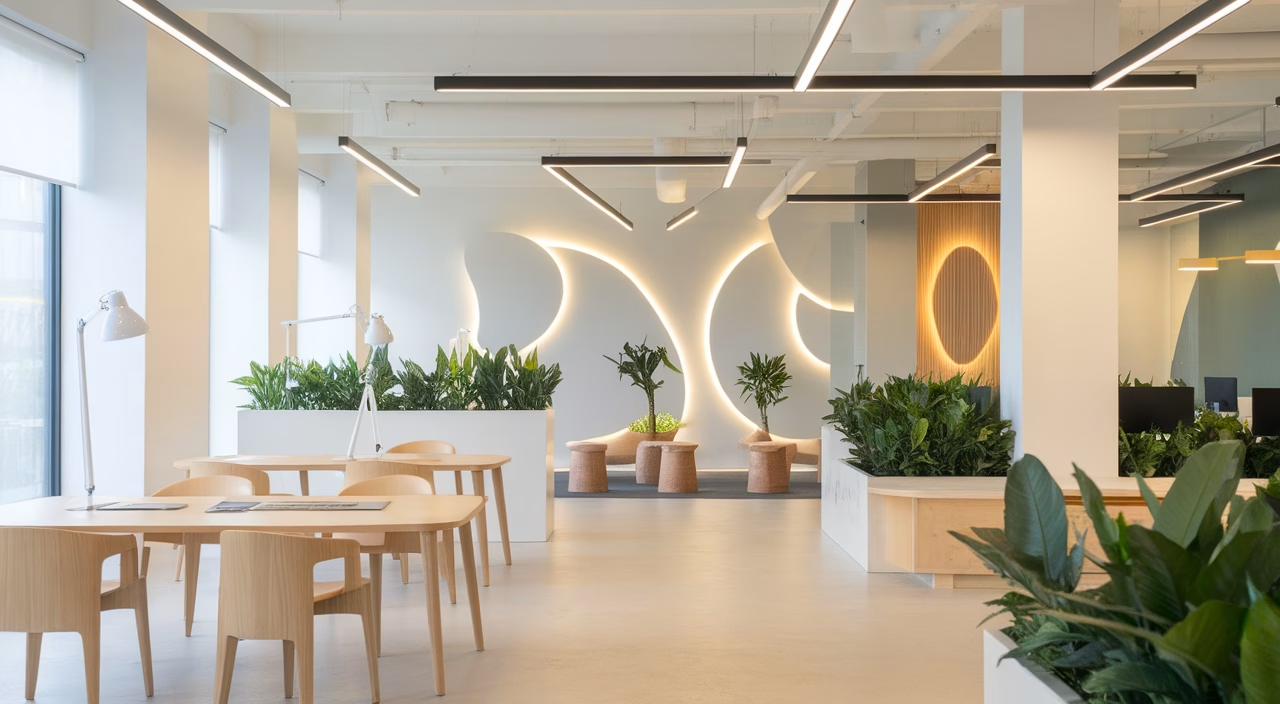
Wellness-focused office lighting is more than seeing clearly—it’s about helping you feel better physically and mentally throughout the day. Here’s how to get started:
- Audit your current setup: Are your bulbs outdated? Are there shadows?
- Mix lighting zones: Break your space into areas for deep work vs. breaks.
- Introduce soft-toned accent lighting in relaxation zones to allow mental decompression.
- Position reflective surfaces (like mirrors) to bounce natural light deeper into the room.
Lighting design should align with human biology, not fight it. This is the foundation of effective wellness-focused office lighting.
5. Strategies for Combating Fatigue and Boosting Productivity
5.1 Incorporating Light Breaks Into Your Workday
Your energy declines during the day not just from screen fatigue or meetings—it drops from being under the same type of lighting without variation. Here’s a better way to boost energy with smart lighting strategies:
- Take short walks in daylight every 60–90 minutes if possible.
- Look out of a window regularly to relax your eyes and mind.
- Use adjustable desk lamps to simulate changes in daylight to reset your rhythm.
5.2 Setting Up a Calming Evening Routine to Rest Better
Many don’t realize their evening lighting habits directly affect the next day’s lighting impact on productivity. Exposure to bright light—especially blue-toned—before bed reduces sleep quality, leaving you groggy the next morning.
Here’s how to wind down right:
- After sunset, switch to warmer, dim lights in your home.
- Use lamps with amber or red tones to cue melatonin production.
- Set screens to nighttime mode to limit blue light exposure.
Small tweaks like these play huge roles in how refreshed you feel the next morning—and how focused you’ll be in your first meeting.
Final Thought
The lighting impact on productivity isn’t just a backdrop—it’s a powerful element shaping your energy, motivation, and brain function every single day. Once you start paying attention to how your space is lit, you’ll be amazed at what a difference it makes. From boosting your morning drive to helping you unwind at night, when you boost energy with smart lighting and improve focus with proper lighting techniques, you’re unlocking one of the easiest, most underused ways to enhance productivity at work and life wellness overall.
Frequently Asked Questions
- Does artificial light make you tired?
Yes, especially fluorescent and overly bright cold-toned lighting can cause fatigue, eye strain, and disrupt your natural circadian rhythm. - What type of lighting is best for productivity?
Cool, bright white LED lighting mimics daytime sun and stimulates alertness and concentration best during the workday. - Can improving light at work reduce burnout?
Absolutely. Better lighting improves mood, reduces eye strain, and decreases mental fatigue, all of which can limit burnout risk. - Is it worth investing in smart lighting for a home office?
Yes—smart lighting can adjust dynamically throughout the day, supporting productivity and better rest without constant manual changes. - How long should I expose myself to natural light each day?
Even just 30 minutes of morning light exposure can refreshing reset your circadian rhythm and improve alertness.