What is Shallow Breathing and How Can Mindfulness Help?
Shallow breathing, also known as chest breathing or thoracic breathing, happens when you take quick, short breaths into your chest instead of filling your lungs from the diaphragm. If you’re dealing with stress, anxiety, or living life at breakneck speed, you’ve probably experienced this without realizing it. While shallow breathing might seem harmless, it can gradually impact your physical and mental health. The good news? Mindfulness offers a powerful solution by reconnecting you with your natural breathing rhythm and helping you switch off your body’s stress signals.
TL;DR: How to Stop Shallow Breathing With Mindful Breathing
- Shallow breathing keeps the body locked in a low-grade stress response and reduces oxygen flow.
- Mindfulness techniques focus awareness on the breath, helping to calm the body and mind.
- Deep breathing exercises like diaphragmatic and box breathing alleviate tension and support lung expansion.
- Meditation practices train the mind to notice and soften the tendency to shallow breathe during stress.
- Daily integration tips include reminder cues, journaling, and mindful walking to retrain your stress response.
The Science Behind Shallow Breathing
Take a moment right now and notice where your breath goes. If it stays high in your chest and disappears within seconds, you’re experiencing shallow breathing. This breathing pattern becomes automatic when you’re stressed. Your brain perceives a threat and signals your sympathetic nervous system, triggering the fight or flight response. While this prepares you for action, prolonged shallow breathing exhausts your body and mind.
Chronic shallow breathing can lead to:
- Elevated heart rate and blood pressure
- Increased anxiety and irritability
- Fatigue due to reduced oxygen supply
- Dizziness or brain fog
- Digestive issues
When you understand how your autonomic nervous system works, you can learn to interrupt this cycle through conscious breathing techniques. Activating your parasympathetic nervous system — your rest-and-digest mode — begins with slow, diaphragmatic breathing that promotes stress relief.
Effects of Shallow Breathing on the Body and Mind
Have you ever felt suddenly panicked, with racing thoughts and a pounding heart? Your breathing likely shifted without you realizing it. Shallow breathing doesn’t just deprive your lungs of oxygen — it disrupts your emotional balance, heightens anxiety, and interferes with sleep and digestion.
Physiologically, shallow breathing reduces oxygen exchange in the alveoli (tiny air sacs in your lungs), compromising cellular respiration. This means your body and brain receive less fuel, leaving you feeling drained even after rest. Psychologically, rapid, shallow breathing fuels worry-driven, overactive thoughts that keep you stuck in stress mode.
Here’s how shallow breathing compares to mindful breathing:
| Shallow Breathing | Deep, Diaphragmatic Breathing |
|---|---|
| Quick, shallow chest breaths | Slow, full belly breaths |
| Triggers stress hormones (cortisol, adrenaline) | Releases calming hormones (oxytocin, serotonin) |
| Leads to fatigue, anxiety | Promotes focus, calm, and oxygen flow |
Mindful Breathing Techniques for Stress Relief
Mindful breathing is the practice of consciously focusing your attention on your breath. It’s simple yet incredibly powerful — think of it as your personal reset button that’s available anytime, anywhere. These breathing techniques can help you overcome shallow breathing and find immediate stress relief.
Start with these proven techniques:
1. Diaphragmatic (Belly) Breathing
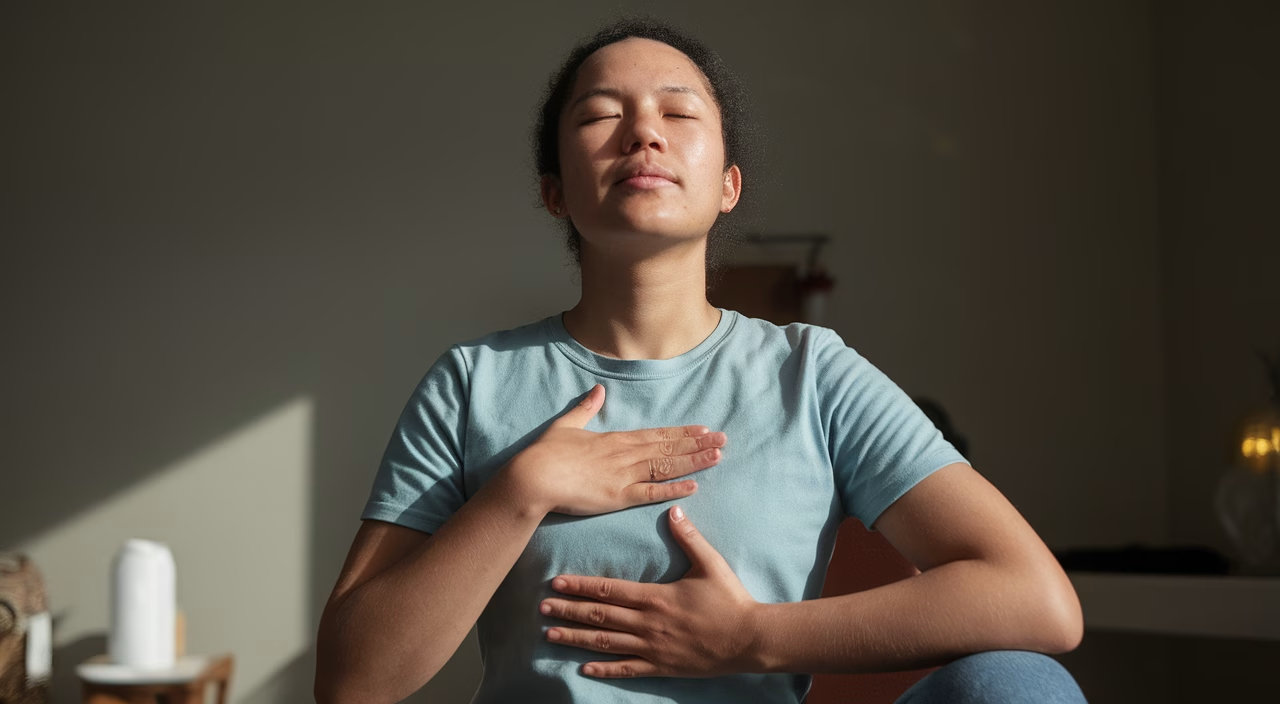
Place one hand on your chest and one on your belly. Inhale slowly through your nose, feeling your belly rise while your chest stays relatively still. Then exhale through slightly parted lips, allowing your belly to fall naturally. Practice this mindful breathing technique for 2–5 minutes to ground yourself in the present and activate your parasympathetic nervous system.
2. Box Breathing
Used by athletes and first responders, this breathing technique steadies your breath and cultivates calm:
- Inhale for 4 seconds
- Hold for 4 seconds
- Exhale for 4 seconds
- Hold for 4 seconds
Repeat for several rounds, picturing a square as you breathe. This method effectively counters shallow breathing patterns.
3. 4-7-8 Breathing
This deep breathing exercise encourages longer exhalation, which signals your nervous system to relax:
- Inhale for 4 seconds through the nose
- Hold for 7 seconds
- Exhale through the mouth for 8 seconds
Practice this breathing technique before bed or when you feel overwhelmed.
Meditation Practices to Improve Breathing
Mindful meditation helps you observe your breathing patterns without judgment. When you apply meditation to shallow breathing, it allows you to reprogram stress habits through compassionate awareness and develop healthier breathing techniques.
1. Breath Awareness Meditation
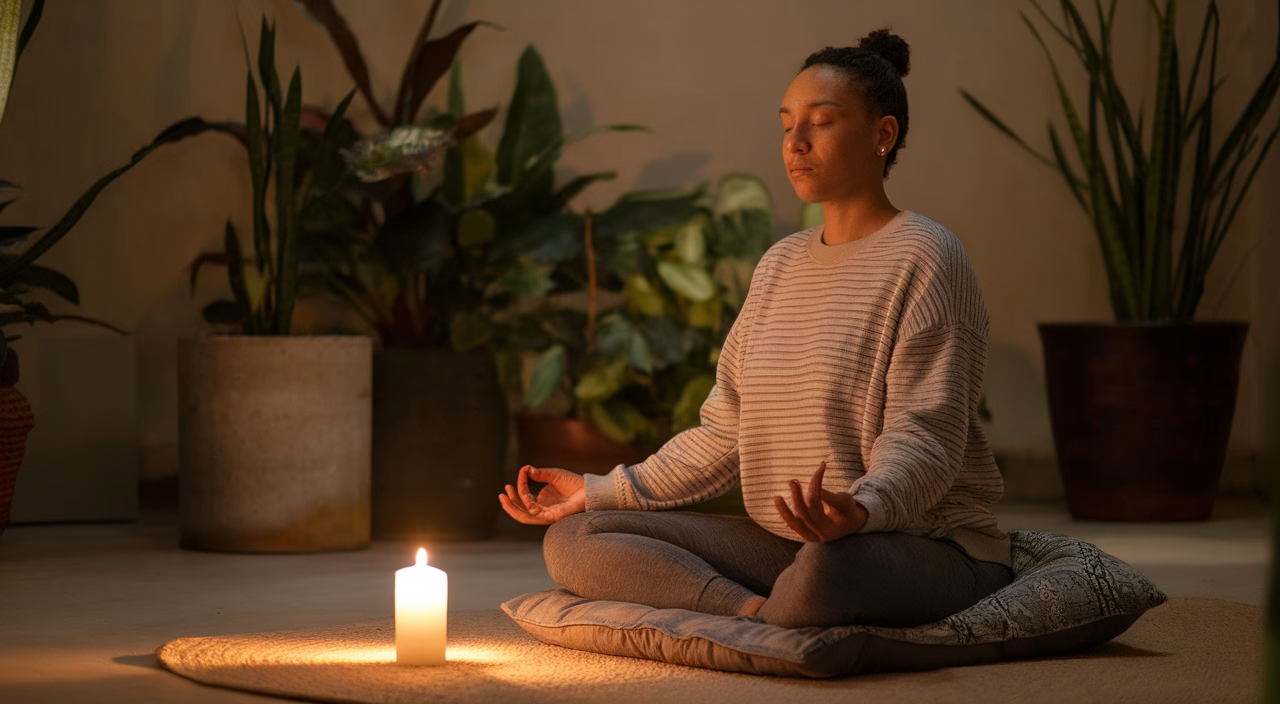
Set a timer for 5-10 minutes. Sit comfortably, close your eyes, and bring your attention to each inhale and exhale. When your mind wanders, gently return focus to your breath. This mindfulness practice trains your nervous system to stabilize and naturally deepens your breathing.
2. Body Scan Meditation
This meditation practice helps you detect and release subtle tension that contributes to shallow breathing. Slowly move your attention from head to toe, inviting relaxation into each part of your body. This awareness often naturally improves your breathing patterns.
3. Guided Meditation for Expanding the Breath
Countless high-quality audio meditations guide you through breath visualization and breathing techniques, helping you lengthen inhalations and exhalations for emotional balance and stress relief.
Tips for Incorporating Mindfulness into Daily Life
Lasting change in your breathing patterns happens step by step. These practical tips help you weave mindful breathing into your lifestyle — even with a packed schedule:
- Habit stacking: Pair breathing techniques with existing habits — like brushing teeth or making coffee.
- Use external reminders: Place sticky notes or set smartphone reminders that say “Check your breath.”
- Try mindful walking: Focus on coordinating your breath with movement during walks for natural stress relief.
- Email pause: Before responding to stressful emails, take three deep belly breaths to reset your nervous system.
- Breath journaling: Reflect once daily on when your breathing felt shallow versus calm to build awareness.
Final Thoughts
Shallow breathing may start as a subtle habit, but over time it builds a wall between you and your calmest self. The encouraging news? You can break down that wall, breath by breath. With mindfulness and consistent breathing techniques, you don’t just change how you breathe — you transform how you respond to stress and life’s challenges. You shift from fight-or-flight to feel-and-flow.
By combining practical breathing techniques, stress-relief tools, and consistent mindfulness practices, you’ll begin living more fully in your body — aware, steady, and at peace. Remember, every mindful breath you take is a step toward overcoming shallow breathing and embracing deeper calm.
Frequently Asked Questions
Can shortness of breath be caused by anxiety?
Yes. Anxiety often causes shallow, rapid breathing which leads to a sensation of shortness of breath. While it feels alarming, it is typically not dangerous and can be eased through mindful breathing techniques.
What is the fastest way to stop shallow breathing?
Start with diaphragmatic breathing—placing one hand on the chest and one on the stomach as you slow your breath. Focus on making your belly rise with each inhale.
Is shallow breathing harmful?
Over time, chronic shallow breathing can contribute to physical tension, fatigue, poor concentration, and heightened anxiety. It may also impact cardiovascular and digestive health.
How can meditation improve my breathing?
Meditation trains your mind to stay aware of breath patterns. By focusing on each inhale and exhale, you reduce unconscious stress responses and shift into deeper breathing naturally.
Can I practice mindful breathing at work?
Absolutely. Even brief 1-minute breathing intervals at your desk can lower stress and boost focus. Try box breathing between meetings or mindful pauses during emails.
How long does it take to retrain breathing habits?
With consistent daily practice, noticeable improvements often occur within 2–4 weeks. The key is small, steady integration of breathing awareness into daily routines.
What time of day is best for mindful breathing?
Anytime! Many people find mornings or evenings ideal, but the benefits come from consistency more than timing. Choose moments when you can tune in fully without distractions.