What are the effects of dehydration on brain health?
When you think about dehydration, you probably picture feeling thirsty or having a dry mouth. But here’s what most people don’t realize: the effects of dehydration on brain health start long before you feel that first pang of thirst. Even mild dehydration can hijack your mental performance in ways that might shock you.
- 🧠 Dehydration directly affects brain performance: Memory, focus, and even mood regulation can decline with just 1-2% fluid loss.
- 🚨 Common signs include: brain fog, dizziness, irritability, and confusion that you might blame on stress.
- 💧 Staying hydrated: isn’t just about quenching thirst—it’s essential for preventing neurological issues and promoting long-term brain health.
- 🛡️ Prolonged dehydration: may increase your risk of serious neurological disorders over time.
- ✅ Actionable solutions: We’ll show you simple daily habits to ensure optimal brain hydration.
The Impact of Dehydration on Cognitive Function
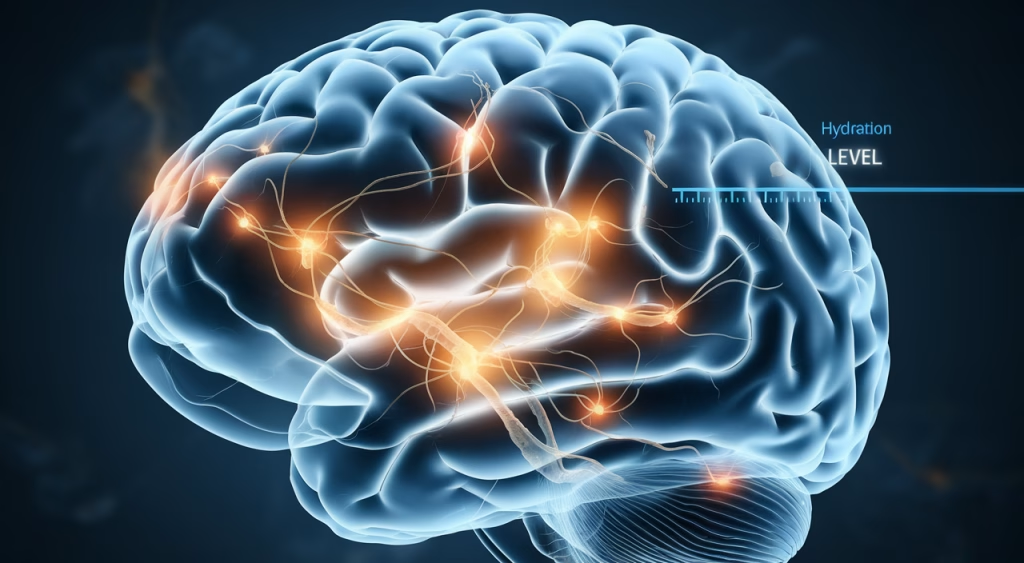
Your brain is roughly 75% water, making it one of the most water-dependent organs in your body. When you understand how dehydration and cognitive function are connected, the effects become crystal clear: lose just 1-2% of your body’s water content, and your mental performance starts to nosedive.
Here’s what happens in your brain when dehydration strikes: your focus becomes scattered, reaction times slow to a crawl, memory recall falters, and executive function—your brain’s ability to plan, organize, and regulate emotions—takes a serious hit.
We see this pattern constantly: someone gets caught up in work, forgets to drink water, and by afternoon they’re reporting brain fog, plummeting productivity, and feeling emotionally drained. That’s not just tiredness—it’s your brain desperately signaling for help.
MRI studies reveal something even more startling: dehydration actually causes your brain to temporarily shrink. Yes, you read that right. Your brain literally becomes smaller and less efficient when underhydrated, only returning to normal size once proper hydration is restored.
Think of your brain like a high-performance sponge. When properly hydrated, it’s full, flexible, and firing on all cylinders. When dried out, it becomes rigid and struggles to absorb or transmit information effectively.
Signs and Symptoms of Dehydration Affecting the Brain
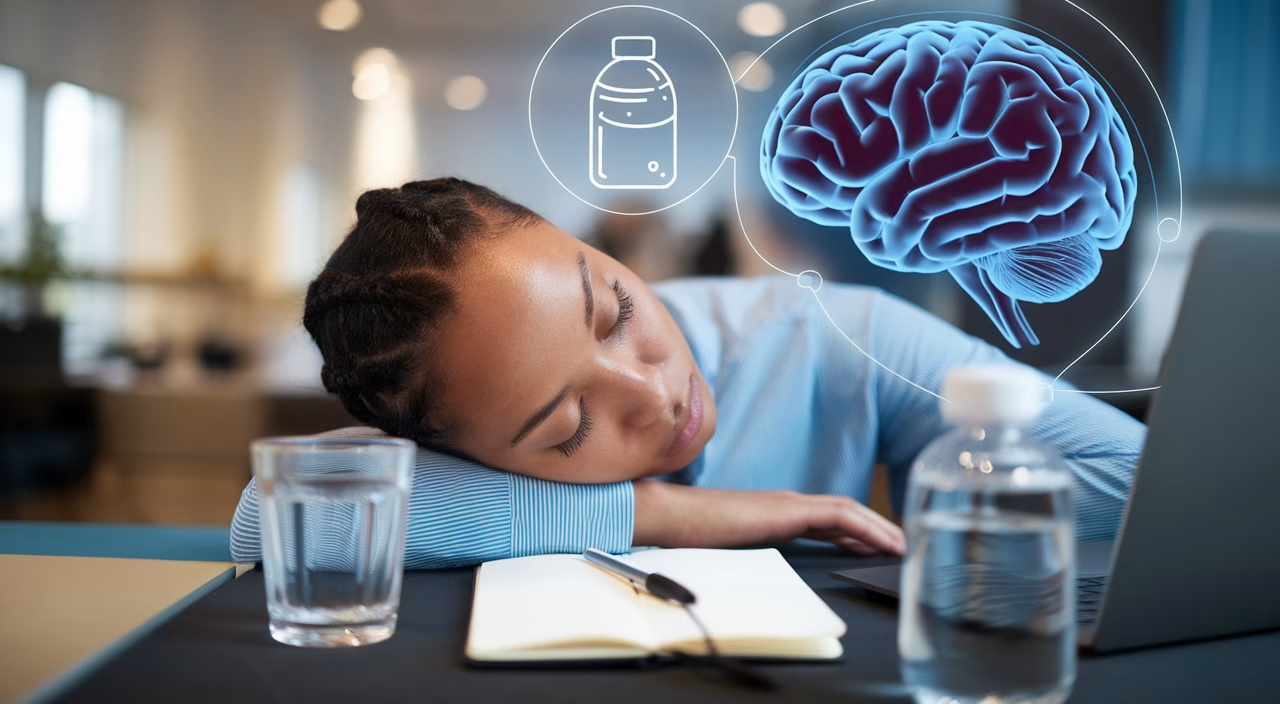
Common signs of brain dehydration
The signs of brain dehydration often masquerade as everyday annoyances, which is why they’re so dangerous. These symptoms can creep up gradually, building into more serious cognitive and emotional challenges:
- Persistent headaches or sudden migraines
- Difficulty concentrating and persistent “brain fog”
- Unexpected mood swings or irritability
- Dizziness or light-headedness when standing
- Memory lapses or mental confusion
Hidden symptoms you might overlook
One of the most insidious aspects of brain dehydration is that your body’s thirst mechanism becomes less reliable as you age. Many people attribute their cognitive symptoms to stress, poor sleep, or overwork, when their brain is actually starving for its most critical nutrient—water.
Watch for these subtle warning signs in your daily life:
- Sluggish thinking after just a morning without adequate water intake
- Mental “fogginess” in air-conditioned environments where you don’t feel thirsty
- Unexplained anxiety or restlessness when you haven’t consumed fluids for several hours
Strategies to Stay Hydrated for Optimal Brain Health
Maintaining proper brain hydration doesn’t require complex strategies—just consistent, smart choices. Here are evidence-based hydration tips for brain health that can transform your mental performance.
Practical hydration tips for brain health
- Start your day with water: Drink 16-20 ounces first thing in the morning to kickstart your brain after hours of overnight dehydration.
- Monitor urine color: Pale yellow indicates good hydration; dark yellow signals you need more fluids immediately.
- Use hydration reminders: Set phone alarms every 2 hours or use apps that track your intake and send notifications.
- Eat hydrating foods: Watermelon, cucumber, oranges, and soups contribute significantly to your daily fluid needs.
- Balance electrolytes: After exercise or heat exposure, your brain needs minerals like sodium and potassium, not just water.
Here’s a crucial insight: your mental performance doesn’t depend on caffeine or energy drinks. In fact, many stimulant beverages act as diuretics and can worsen dehydration. For sustained mental clarity and optimal brain function, clean hydration wins every time.
Dehydration and Its Link to Neurological Disorders
The connection between neurological disorders linked to dehydration extends far beyond temporary brain fog. Chronic dehydration over months or years may create the perfect storm for more serious brain health issues.
Neurological disorders linked to dehydration
- Stroke: Dehydration thickens your blood, dramatically increasing the risk of dangerous clots that can block brain blood flow.
- Epilepsy: Dehydration-induced electrolyte imbalances can trigger seizures in individuals with epilepsy or seizure disorders.
- Dementia: Ongoing mild dehydration may accelerate memory impairment and contribute to cognitive degeneration over time.
- Delirium: Particularly dangerous in older adults, inadequate hydration can mimic or significantly worsen confusion states.
While proper hydration alone won’t prevent these neurological conditions, it serves as a critical foundation for brain health. Think of it like premium fuel for a high-performance engine—everything runs more smoothly and efficiently when it’s present at optimal levels.
If you’re caring for someone with existing brain health conditions, hydration becomes even more crucial. Older adults are particularly vulnerable because they’re both more prone to dehydration and less likely to recognize their body’s thirst signals.
Hydration Tips for a Healthier Brain

Let’s wrap up with actionable habits you can implement today for better brain hydration and long-term mental resilience. You don’t need expensive supplements or extreme lifestyle changes—just clear intentions and smart daily choices.
Daily hydration strategies
- Keep a large refillable water bottle within arm’s reach at all times—visibility increases consumption.
- Prioritize hydrating meals: soups, salads, and fresh fruits should be daily staples in your diet.
- Create hydration habits: Drink water before every meal, after every bathroom break, or during commercial breaks.
- Adjust for activity: Increase water intake by 12-16 ounces for every hour of exercise or outdoor activity.
- Make it enjoyable: Add natural flavors like lemon, mint, cucumber, or berries to make water more appealing.
Bonus: How much water do you really need?
While “8 glasses a day” provides a decent baseline, your individual hydration needs depend on age, weight, climate, and activity level. Listen to your body’s signals—and when in doubt, more is always better than less when it comes to optimal brain efficiency and mental performance.
Cost Guide: Staying Hydrated in Singapore
| Hydration Option | Low-End | Mid-Range | High-End |
|---|---|---|---|
| Refillable Water Bottle | $5 – $10 | $15 – $25 | $30 – $60 |
| Electrolyte Tablets/Packets | $0.30 each | $0.50 – $0.80 each | $1.00+ each |
| In-office Filtered Water | Free (with employer) | NA | NA |
Frequently Asked Questions
1. How quickly does dehydration affect brain function?
You can begin experiencing cognitive effects with as little as a 1-2% loss in body fluid—which can take only a few hours if you’re active or in warm environments.
2. Can dehydration cause long-term brain damage?
Chronic dehydration may contribute to cognitive decline or increase the risk for neurological conditions—especially in older adults or individuals with existing brain vulnerabilities.
3. What’s the best drink for brain hydration?
Plain water is ideal. Adding natural electrolytes (via fruit or light additives) can help, especially post-exercise. Avoid sugar-laden or caffeinated drinks for optimal brain hydration.
Yes—aging reduces thirst recognition and body water content, making older adults more vulnerable to brain-related dehydration effects like confusion or delirium.
5. How can I tell if brain fog is from dehydration?
If it improves quickly after drinking fluids and resting, dehydration is likely a factor. Headaches, slower thinking, and mood swings often accompany dehydration-induced brain fog.
6. Does caffeine dehydrate the brain?
Caffeine is a mild diuretic, but moderate consumption is generally fine. However, relying on it over water can leave your brain underhydrated and overstimulated.
7. Can dehydration make anxiety worse?
Yes—dehydration can elevate stress hormones and heart rate, which can mimic or intensify anxiety symptoms.