What Is the Link Between TMJ Dysfunction and Neck Pain?
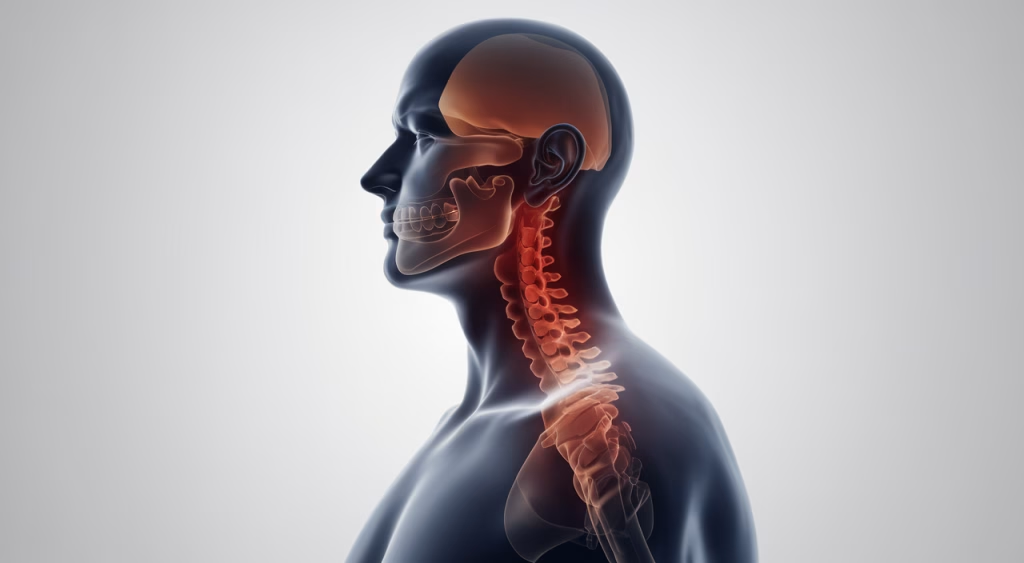
TMJ dysfunction and neck pain are more connected than you might think. The temporomandibular joint (TMJ), responsible for moving your jaw, shares intricate muscle and nerve relationships with your neck and upper back. When your jaw experiences jaw misalignment or constant stress, it triggers a chain reaction of muscle tension, inflammation, and referred pain leading to discomfort that spreads to your shoulders and upper back.
TL;DR – Key Takeaways:
- TMJ dysfunction stems from jaw misalignment and muscle tension, often spreading pain to the neck, shoulders, and upper back.
- Symptoms include jaw clicking, headaches, neck stiffness, and ear discomfort.
- Natural remedies for TMJ and neck pain like warm compresses, magnesium-rich foods, and anti-inflammatory herbs offer effective pain relief.
- Exercises to relieve TMJ dysfunction can improve jaw alignment and reduce muscle strain.
- Holistic approaches to neck pain relief such as posture correction, stress reduction, and nutrition play a vital role in long-term healing.
- Mindfulness techniques for TMJ and neck pain can prevent symptoms from recurring.
Understanding TMJ Dysfunction and Neck Pain
TMJ dysfunction affects the hinge that connects your jaw to the temporal bones of your skull. When this joint becomes compromised—through trauma, stress, repetitive motion, or jaw misalignment—it triggers a cascading effect of symptoms. These include facial pain, limited jaw movement, headaches, and pain radiating into your neck and shoulders.
Here’s what often happens: You clench your jaw unconsciously during stressful moments. This muscle tension pulls on muscles that connect to your neck and shoulders. Over time, you’ll notice aching under your ears, chronic neck stiffness, or persistent upper back tension that won’t resolve.
The pain isn’t always straightforward. Due to your body’s intricate nerve network, TMJ dysfunction commonly creates referred pain—discomfort felt in areas away from the original source. This connection makes diagnosis challenging unless you work with a practitioner who understands craniofacial and spinal relationships.
Causes of Jaw Misalignment
Think of your jaw like a door on a hinge. If the frame shifts, everything around it starts to overcompensate. Jaw misalignment (or malocclusion) doesn’t just strain your bite—it creates muscle tension patterns that ripple through your entire upper body. Here are the most common triggers:
- Bruxism (teeth grinding): often unconscious during sleep or stress, creating excessive jaw muscle tension
- Poor posture: particularly forward-head posture, which disrupts jaw and neck alignment
- Previous trauma to the face, jaw, or neck—like car accidents or sports injuries
- Congenital misalignment: structural issues from birth or during dental development
The ripple effect is significant. As your jaw shifts out of alignment, muscles in your neck and upper back adjust to compensate and stabilize. The result? Chronic neck tightness, inflammation, and nagging upper back pain you can’t quite pinpoint.

Symptoms of TMJ Dysfunction
TMJ dysfunction often develops quietly, gradually building tension from your jaw until it wraps around your neck like a vice. Here’s what to watch for:
- Clicking, popping, or grinding sounds when opening or closing your mouth
- Jaw that locks or becomes difficult to move
- Facial swelling or tenderness near your ears
- Frequent tension headaches or migraines
- Tightness in the neck and shoulder muscles
- Tooth sensitivity not explained by decay
You might also experience dizziness, tinnitus (ringing ears), and even blurry vision due to compressed nerves and muscle tension near the TMJ and cervical spine junction.
Natural Remedies for Relief
If you’re seeking natural remedies for TMJ and neck pain, you’re not alone. Many people prefer to help their body heal from within rather than relying on medications. Here are evidence-backed strategies:
1. Heat and Cold Therapy
Apply a warm compress to reduce muscle tension and stiffness or use a cold pack to numb sharp pain. Alternate for 15–20 minutes to reduce inflammation.
2. Magnesium for Muscle Relaxation
Magnesium is essential for proper muscle function. Include leafy greens, almonds, and avocados in your diet to ease cramping and tension naturally.
3. Anti-inflammatory Herbs
Turmeric, ginger, and boswellia can safely lower inflammation throughout your jaw, neck, and shoulders without the gastric side effects of medications.
4. Jaw-Supportive Sleep
Use a flatter pillow with proper neck support, and avoid stomach sleeping that twists your jaw and cervical spine out of alignment.
5. Mindfulness-Based Stress Reduction (MBSR)
Stress-tightened jaw muscles often operate subconsciously. Meditation and breathwork teach your body to release that grip and reduce overall tension.
These natural remedies don’t offer instant results—but when practiced consistently, you’ll notice not just less pain, but improved overall well-being.
Exercise Techniques for Jaw Relief
Just like physical therapy for other joints, your jaw benefits from targeted and mindful movement. Here are our top exercises to relieve TMJ dysfunction:
- Chin Tucks: Sit or stand tall and slide your chin straight backward without tilting your neck. Hold for 5 seconds. Repeat 10 times to reduce neck and jaw tension.
- Goldfish Exercise (Partial Opening): Place one finger in front of your ear, another under your chin. Open your mouth halfway and hold briefly, then close. Repeat 6 times per set.
- Resisted Mouth Closing: Put your thumb under your chin. As you close your mouth, resist gently with your thumb to strengthen weak jaw muscles.
- Neck Rolls: Slowly roll your head from shoulder to shoulder to relieve cervical spine tension connected to TMJ stress.
Consistency matters more than intensity with these exercises to relieve TMJ dysfunction. These gentle motions retrain your muscles to move and relax properly.
Cost Guide: Holistic Treatment Options
| Service/Remedy | Low-End | Mid-Range | High-End |
|---|---|---|---|
| Chiropractic Adjustment | $50 | $90 | $150 |
| Craniosacral Therapy | $70 | $110 | $180 |
| Herbal supplements | $10 | $25 | $50 |
| Guided Meditation Apps | Free | $10/month | $20/month |
| Posture Training Tools | $20 | $35 | $60 |

Holistic Approaches to Managing Neck Pain
Neck pain isn’t just a symptom—it’s your body sending you a signal. Often, the deeper root lies in your daily habits, stress levels, or diet. Here are proven holistic approaches to neck pain relief that honor whole-body balance:
1. Posture Correction
Imagine balancing a bowling ball on a stick—that’s your head on your spine. Poor posture adds strain and contributes to jaw misalignment, so focus on aligning your ears over your shoulders.
2. Anti-Inflammatory Diet
Foods that fight inflammation—think berries, salmon, and turmeric—can significantly reduce chronic joint and muscle pain throughout your jaw, neck, and upper back.
3. Trigger Point Release
Using a massage ball or working with a therapist, apply targeted pressure to tight muscle knots to release neck and shoulder tension built up from jaw clenching.
4. Mindfulness Techniques
Mindfulness techniques for TMJ and neck pain including guided meditations, body scans, and breathing exercises help calm your nervous system, which naturally loosens your jaw and decompresses your spine.
Final Thoughts: Reclaiming Control Over TMJ and Neck Pain
Living with TMJ dysfunction and neck pain often feels like an endless cycle—you address one area, and another flares up. But once you understand the connection between jaw misalignment, muscle tension, and referred pain in your upper back and shoulders, the path forward becomes clear.
No single solution works for everyone. However, when you combine natural remedies for TMJ and neck pain, gentle exercises to relieve TMJ dysfunction, anti-inflammatory nutrition, and mindfulness techniques, the results can transform your daily comfort. You’re not just masking symptoms—you’re changing how your body functions and feels.
Frequently Asked Questions
- Can a misaligned jaw cause neck problems?
Absolutely. Jaw misalignment often leads to muscle imbalances that extend into the neck and shoulders, causing chronic pain and stiffness throughout your upper back. - What’s the best natural remedy for TMJ pain?
A combination of heat therapy, magnesium-rich foods, jaw stretches, and mindfulness techniques for TMJ and neck pain typically works well for managing symptoms naturally. - Can changing my posture help alleviate TMJ symptoms?
Yes. Improving head and shoulder alignment often reduces unnecessary jaw strain and relieves muscle tension along the neck and spine. - How long does it take for symptoms to improve with exercises?
Consistent practice of exercises to relieve TMJ dysfunction can yield improvements in 2–4 weeks, though long-term results require ongoing habit changes. - Is medication necessary for TMJ dysfunction?
Not always. Many people experience significant relief through natural remedies for TMJ and neck pain and holistic approaches to neck pain relief without medications or surgery. - Can diet really impact jaw tension?
Yes. An anti-inflammatory diet helps reduce joint stress and inflammation, promoting muscle relaxation throughout your face, neck, and shoulders. - Should I avoid chewing gum or hard foods?
During flare-ups, yes. Repetitive jaw motions can worsen inflammation and muscle tension in the TMJ area.