
How do smell and taste change as you age—and why does it happen?
As we get older, our senses naturally evolve, and perhaps two of the most surprising shifts occur in taste and smell. These sensory changes are more than minor inconveniences—they can affect nutrition, appetite, and emotional well-being. So why does food start tasting “off” or why does that once-aromatic cup of coffee now seem dull? Let’s break it down simply and clearly.
TL;DR – Quick Summary
- The Problem: Aging reduces the number of taste buds and weakens smell receptors, affecting how we enjoy flavors.
- Common Symptoms: Bland food, reduced appetite, reliance on salt/sugar, and even weight fluctuations.
- What Helps: Nutrient-dense foods, mindful eating strategies, spices, and maintaining excellent oral health.
- Expert Advice: Small daily changes—like using fresh herbs or encouraging regular social meals—can reignite the joy of eating.
Understanding Changes: How Age Affects Taste Buds and Sense of Smell
Taste and smell are a dynamic duo. These senses work together to create the rich tapestry of flavor we experience with each bite. As we age, both undergo physiological changes that affect our eating habits and preferences.
The Science Behind Taste Buds Aging: A Natural Fade
We start life with thousands of functional taste buds. By the time you reach your 60s and beyond, some of these taste buds shrink or become less sensitive. This is known as taste buds aging. Sweet and salty flavors often fade first, which is why you might find yourself adding more sugar or salt to food without realizing it.
Medical conditions, medications (common in later life), smoking, and even dental issues can further dull taste over time. When taste perception dips, people either lose interest in eating or overcompensate with overly processed, high-salt or sweetened foods—leading to other health issues.
The Role of Smell: Memory and Flavor Connection
Your sense of smell changes dramatically too. After age 50, olfactory nerve fibers that transmit scent signals to the brain gradually diminish. Since smell heavily influences flavor perception, you might find food blander without necessarily tasting it differently—because you’re not smelling it as fully. This smell and taste connection is crucial for enhancing food enjoyment in elderly years.

5 Practical Tips: Proven Strategies for Maintaining Food Enjoyment in Older Adults
These changes are real—but not irreversible. Here are five expert-approved, compassionate strategies to help you reconnect with the pleasures of eating:
1. Harness the Power of Herbs and Spices
If salt no longer does the trick, consider seasoning with aromatic add-ons like basil, rosemary, garlic, or turmeric. These foods to improve taste and smell not only boost flavor but can also offer anti-inflammatory or antioxidant benefits. Citrus zests and vinegars deliver tanginess that “wakes up” your palate naturally.
2. Add Visual and Textural Variety
You eat with your eyes first. Meals that look colorful and have contrasting textures—like crunchy roasted vegetables alongside creamy soup—offer a more sensory experience that your body will recognize even if smell and taste are less sharp. This approach supports managing changes in taste and smell effectively.
3. Prioritize Oral Health In Older Adults
Poor dental health can dramatically reduce your sense of taste and make eating literally painful. Gum disease, missing teeth, or ill-fitting dentures all contribute to diminished sensory pleasure. Regular dental visits and proper brushing (with fluoride and tongue cleaning) are vital components of oral health in older adults.
4. Practice Mindful Eating
Slowing down and truly paying attention to flavor, smell, and texture during meals can sharpen your perception. Turn off distractions, chew slowly, and savor each bite—almost like retraining your brain to engage more fully with the food in front of you. This mindful approach is one of the most effective nutritional strategies for age-related taste changes.
5. Eat Socially When Possible
Human connection enhances food enjoyment significantly. Eating with others improves mood and prevents nutrition-related isolation. Even occasional meals with friends, neighbors, or community groups can rekindle your interest in food and support overall well-being.
Nutritional Guidance: Foods That Can Help Enhance Taste Perception
Food is fuel, comfort, and culture—and your plate should reflect both nourishment and joy. Here are food categories that support better taste and smell as you age through targeted nutritional strategies for age-related taste changes:
| Food Type | Benefits | Examples |
|---|---|---|
| Spice-rich foods | Add complexity to meals | Curry, chili, herbed roasts |
| Bright fruits and vegetables | Stimulate multiple senses | Oranges, bell peppers, beets |
| Healthy acids | Enhance flavor depth | Lemon, vinegar, yogurt |
| Fermented foods | Boost gut and sensory health | Kefir, kimchi, miso |
Keeping meals exciting doesn’t mean reinventing your menu each day. Small upgrades—like adding dill to mashed potatoes or a squeeze of lime on grilled chicken—can go a long way toward enhancing food enjoyment in elderly years.
Lifestyle Adjustments: Improving Smell Sensitivity Through Daily Habits
Just like muscle mass, your sense of smell and taste can be preserved or even improved with consistent attention and habit-building. Here’s how you can fine-tune these senses daily while managing changes in taste and smell:
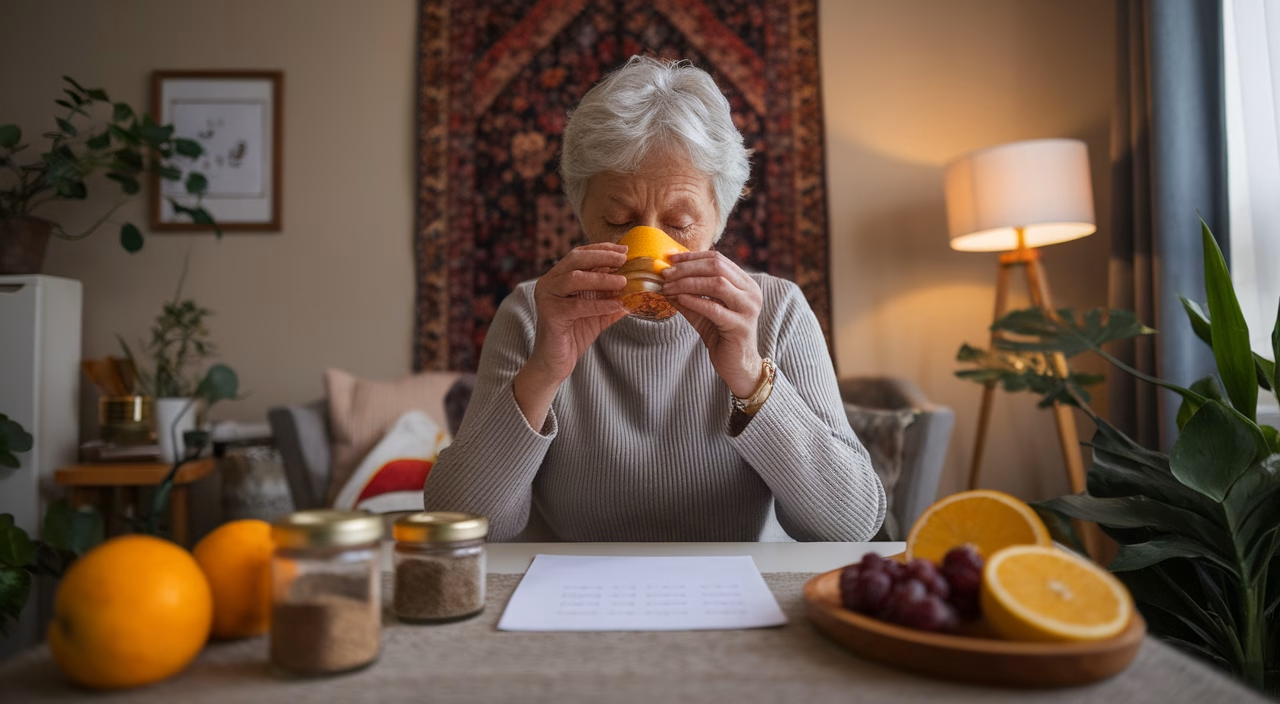
Stimulate Your Senses Daily
Crossword puzzles and scent games? Yes, really. Exercises in scent recognition—like smelling spices and trying to name them—may help maintain olfactory function. Just as the brain needs cognitive challenges, your smell receptors do, too. This is one of the most accessible foods to improve taste and smell strategies you can implement at home.
Stay Active and Breathe Deeply
Good circulation and oxygen flow matter tremendously. Cardiovascular health affects all parts of your body—including the areas responsible for olfactory and gustatory sensation. Daily walking, yoga, or even breathing exercises can support this natural process and help with taste buds aging.
Hydration and Zinc Intake
Your mouth needs moisture to carry flavor effectively. Dry mouth (common with many medications) can deaden taste significantly. Drinking plenty of water and using sugar-free lozenges or mouthwash may help restore sensation.
Also, ensure adequate zinc intake, either through foods (pumpkin seeds, beans, whole grains) or supplements if advised by your doctor. Zinc deficiency has been directly linked to blunted taste perception and is a key factor in managing changes in taste and smell.
Conclusion: Preserving the Joy of Eating as You Age
Food is more than fuel—it brings connection, joy, and identity. If you’ve noticed that meals feel less satisfying, know that there are gentle, practical steps you can take to reignite your taste and smell. These changes are completely normal and very common. But they don’t have to mean the end of culinary joy.
Whether it’s smelling your spice rack more often, cooking a new vibrant dish, or sitting down for a meal with loved ones, you can guide your senses toward a richer, more flavorful experience at every age. The key is understanding that taste buds aging and enhancing food enjoyment in elderly years go hand in hand—with the right strategies, you can maintain your love of great food.
Frequently Asked Questions
Is it normal for taste buds to change as you age?
Yes, it’s entirely normal. As we age, some taste buds shrink or become less sensitive, which contributes to changes in how food tastes. Sweet and salty flavors decline first.
Why does food smell different as I get older?
Smell receptors in the nose diminish over time. Since smell plays a major role in flavor recognition, you may find foods less aromatic, which influences overall taste perception.
Can medications affect how I taste or smell?
Absolutely. Many common medications—including those for blood pressure, cholesterol, and depression—can disrupt taste and smell. Always consult your healthcare provider if you notice sudden changes.
What foods help enhance taste and smell sensitivity?
Fresh herbs, citrus, fermented foods, and bright fruits and vegetables stimulate multiple senses and keep meals exciting. Zinc-rich foods also support taste function.
Will improving my oral health restore taste?
In many cases, yes. Clean, healthy mouths increase taste sensitivity. Removing dental plaque, treating gum disease, and managing dentures can all help restore enjoyment of food.
Do smell training exercises really work?
They can! Repeatedly smelling specific scents and consciously identifying them may improve olfactory performance over time. Similar to exercise, the key is consistency.
How can I encourage better eating habits despite flavor loss?
Use colorful presentation, varied textures, fresh seasoning, and social meals to make food more appealing. Slow, mindful eating also increases satisfaction and awareness.