What Are Seasonal Mood Changes and Why Do They Affect Me?
Seasonal mood changes are emotional shifts that occur as weather patterns and daylight hours change throughout the year. If you find yourself struggling with the transition into fall and winter, you’re experiencing something that affects millions worldwide. These changes can trigger a noticeable dip in mood, energy, and motivation—and they’re far more than simple ‘winter blues.’ For many people, these shifts create powerful and lasting effects on overall mental health and daily functioning.
TL;DR: How to Cope with Seasonal Mood Changes
- Seasonal mood changes are common and often tied to reduced sunlight as seasons shift.
- Symptoms may include lower energy, withdrawn behavior, and persistent sadness.
- Seasonal affective disorder (SAD) is a more severe form that often requires treatment.
- Daily habits like exercising and maintaining a sleep schedule can help combat mood shifts.
- Light therapy, vitamin D, social interaction, and counseling are among the best strategies for support.
- If your mood significantly impacts your daily life, professional help is important and effective.
Introduction to Seasonal Mood Changes
When autumn’s crisp air arrives and days grow shorter, many people find themselves feeling emotionally off-balance. Perhaps you wake feeling groggy no matter how early you went to bed, or everyday tasks seem overwhelming. You might notice yourself withdrawing from social activities or feeling less motivated than usual. This isn’t just a passing slump—it’s a form of emotional hibernation that affects millions each year.
Often called the “winter blues,” these seasonal mood changes can fluctuate significantly in severity. At their most intense, they qualify as seasonal affective disorder (SAD), a clinically recognized form of depression triggered by seasonal patterns. But whether you’re facing mild seasonal blues or something more life-altering, these changes can dramatically impact your productivity, relationships, and overall sense of well-being.
The Science Behind Seasonal Mood Changes
Understanding why seasonal mood changes occur helps you tackle them more effectively. Science reveals that our bodies are incredibly sensitive to environmental cues—especially light exposure.
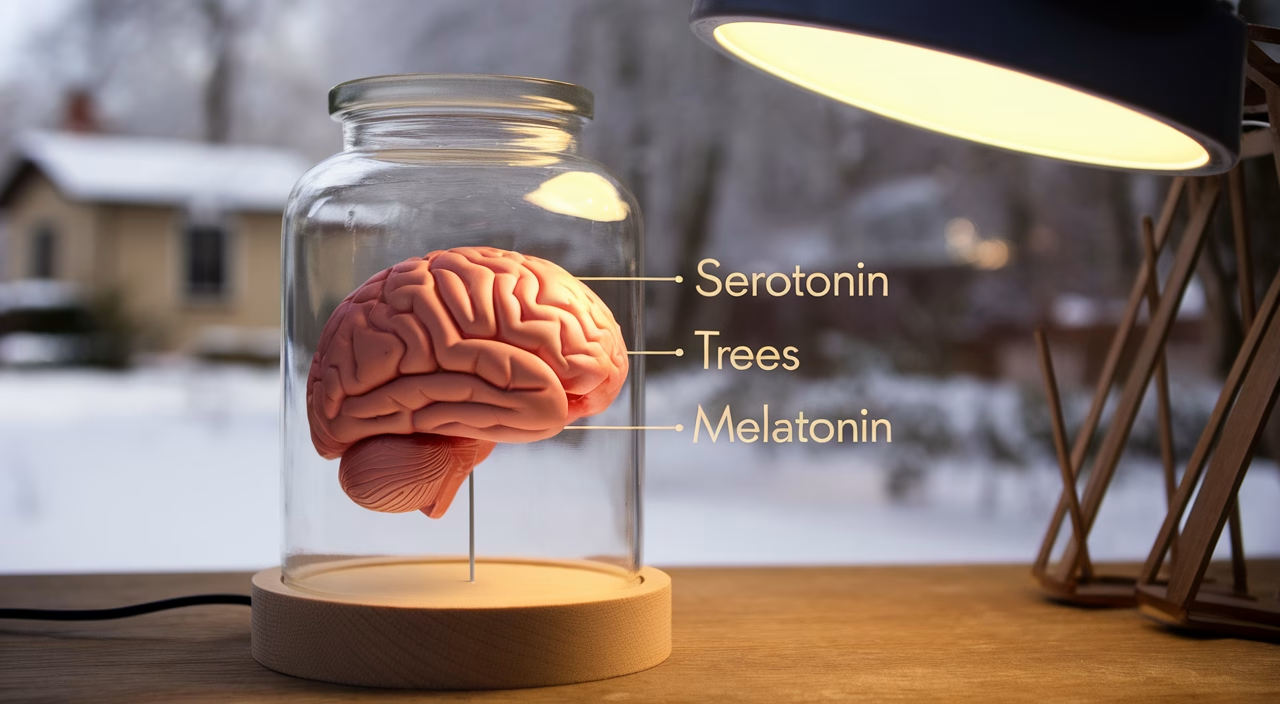
With reduced sunlight during autumn and winter months, your internal biological clock—called your circadian rhythm—becomes disrupted. This disruption affects critical hormones like melatonin and serotonin, which directly regulate your mood, energy levels, and sleep patterns.
Here’s exactly what happens in your brain and body:
- Reduced sunlight in morning hours delays your body’s natural wake signals, leaving you feeling sluggish longer
- Melatonin production increases during darker months, deepening fatigue and promoting oversleeping
- Serotonin levels decrease—this key neurotransmitter is responsible for feelings of happiness, stability, and well-being
This combination creates the perfect storm for significant mood shifts, which often worsen in people who are predisposed due to genetics, geographic location, or existing mental health conditions.
Common Symptoms of Seasonal Mood Changes
Recognizing seasonal mood changes early helps you take action before symptoms worsen. While everyone experiences these changes differently, common patterns include:
- Persistent sadness or feeling down most of the day, nearly every day
- Lower energy levels and chronic fatigue that doesn’t improve with rest
- Increased need for sleep or difficulty getting quality, restorative sleep
- Overeating, especially intense cravings for carbohydrates and “comfort foods”
- Withdrawal from social interaction—a growing sense of isolation from friends and family
- Trouble concentrating, making decisions, and decreased interest in activities you usually enjoy
If these symptoms consistently emerge during specific seasons—especially if they’re severe enough to interfere with your work, relationships, or daily functioning—you may be experiencing seasonal affective disorder rather than milder seasonal blues.
Proven Coping Strategies and Treatment Options
The good news? There are many effective, evidence-based ways to manage and significantly improve seasonal mood changes. Whether you’re trying to navigate a challenging winter or support a loved one, these proven strategies can make a meaningful difference in your mental health.
1. Light Therapy
Also known as phototherapy, this treatment involves sitting in front of a bright, full-spectrum light box for 20–30 minutes daily, typically in the morning. The goal is to mimic natural sunlight exposure and help reset your disrupted circadian rhythm. Many people with seasonal affective disorder experience significant improvement within just a few weeks of consistent light therapy.
2. Talk Therapy
Cognitive Behavioral Therapy (CBT) has shown exceptionally strong results in treating SAD and seasonal mood changes. A licensed therapist can help you identify negative thought patterns that worsen during darker months and build healthier, more effective coping mechanisms for managing mood shifts.
3. Medication
In cases where seasonal mood changes are severe or persistent, antidepressants—particularly SSRIs—may be necessary and highly effective. These medications can help restore proper serotonin levels in your brain. Always consult with a qualified psychiatrist or healthcare provider before beginning any medication regimen.
4. Natural Remedies
- Vitamin D supplements to offset deficiencies caused by reduced sunlight exposure
- Omega-3 fatty acids found in fatty fish like salmon, or plant-based sources like flaxseed
- Herbal supplements such as St. John’s Wort (always consult your doctor before trying these)
5. Physical Activity
Regular movement is one of the most powerful tools for combating seasonal mood changes. Exercise naturally boosts serotonin and endorphin levels in your brain. Even 20-30 minutes per day of walking, yoga, dancing, or any enjoyable physical activity can create noticeable improvements in your mood and energy.
6. Mindfulness and Meditation
Practices like deep breathing exercises, guided imagery, or progressive muscle relaxation can help calm your nervous system and bring mental clarity during periods of lower energy. These techniques are particularly helpful for managing the anxiety that often accompanies seasonal depression.
Lifestyle Changes for Managing Seasonal Mood Changes
Prevention is one of your most powerful tools against seasonal mood changes. If you know that winter or early spring typically hits you hard, proactively adjusting your lifestyle can significantly reduce the intensity of seasonal mood dips.
Establish a Light-Focused Morning Routine
- Open your blinds and curtains as early as possible to maximize natural light exposure
- Spend time outside during morning daylight hours, even if it’s cloudy
- Use light therapy consistently if natural light is limited in your area
Optimize Your Sleep Hygiene
Consistency is absolutely key for managing seasonal mood changes. Try waking and going to sleep at the same time each day, even on weekends. Avoid screens 1–2 hours before bedtime, and keep your bedroom cool, dark, and quiet to promote deeper, more restorative sleep.
Stay Socially Connected
Winter months can easily make us retreat into isolation, which worsens seasonal affective disorder symptoms. Make socializing a scheduled priority: plan weekly phone calls, video chats with distant friends, or outdoor meetups during daylight hours. Even brief moments of genuine connection with others can significantly soften feelings of loneliness.
Watch What You Eat
What you consume directly affects how you feel mentally and physically. Try to balance seasonal indulgences with mood-boosting foods:
- Leafy greens rich in folate and other B vitamins
- Nuts and seeds for magnesium and healthy fats
- Lean proteins and complex carbohydrates (which help your brain produce serotonin naturally)
Manage Expectations and Mental Load
Give yourself permission to do less during challenging seasonal periods. Your productivity naturally fluctuates with the seasons, and that’s completely normal. Try reframing “slow months” as valuable reflection and rest periods rather than personal failures or shortcomings.

Conclusion: Taking Control of Your Mental Health
You don’t need to silently endure the emotional weight that comes with seasonal transitions. Seasonal mood changes are real, valid experiences that affect millions of people—and most importantly, they’re entirely manageable with the right approach. By understanding the science behind these shifts and consistently applying targeted strategies, you can learn to navigate the seasons with greater resilience instead of being overwhelmed by them.
Remember: Even small, consistent changes in your daily habits can lead to profound improvements in your mental health over time. Whether it’s stepping outside for morning light exposure, reaching out to call a friend, or starting therapy—your mental wellness deserves every ounce of effort you invest. The seasons may change, but your ability to thrive and maintain good mental health remains constant year-round.
Frequently Asked Questions
Why do I get emotional when the seasons change?
Seasonal changes affect your circadian rhythm and hormones such as serotonin and melatonin, which regulate mood and sleep. The emotional shifts are your brain responding to environmental cues like light and temperature.
Is seasonal affective disorder the same as depression?
Seasonal affective disorder is a form of depression triggered by seasonal changes. While it falls under the broader category of major depressive disorders, its symptoms are cyclical and predictable each year.
Can kids or teens experience seasonal mood changes?
Yes, children and adolescents are also susceptible. They may show signs through changes in sleep, irritability, or academic motivation. Early recognition is essential for support and treatment.
Does vitamin D really help with winter blues?
Vitamin D plays a key role in serotonin production. Since many people have lower vitamin D levels in winter, supplements can help offset mood changes—though they should not replace other therapies entirely.
Can exercise really improve seasonal depression?
Absolutely. Even moderate exercise helps release endorphins and serotonin, which are natural mood elevators. It also improves sleep and reduces stress—key issues in seasonal depression.
Are there natural remedies for seasonal mood changes?
Yes. Light exposure, vitamin D, omega-3s, aromatherapy, and herbal remedies like St. John’s Wort (with caution) can alleviate symptoms. Consult a health provider before starting any.
When should I seek professional help?
If seasonal mood changes interfere with daily life, persist beyond a couple of weeks, or cause significant distress, it’s time to speak to a mental health professional. Early intervention is always better.