What’s the best way to improve gut health naturally?
Improving gut health naturally involves nourishing your digestive system with the right combination of probiotics, prebiotics, whole foods, and healthy habits that support your gut microbiome.
- Best probiotics for gut health: Focus on strains like Lactobacillus and Bifidobacterium that support digestion and immunity.
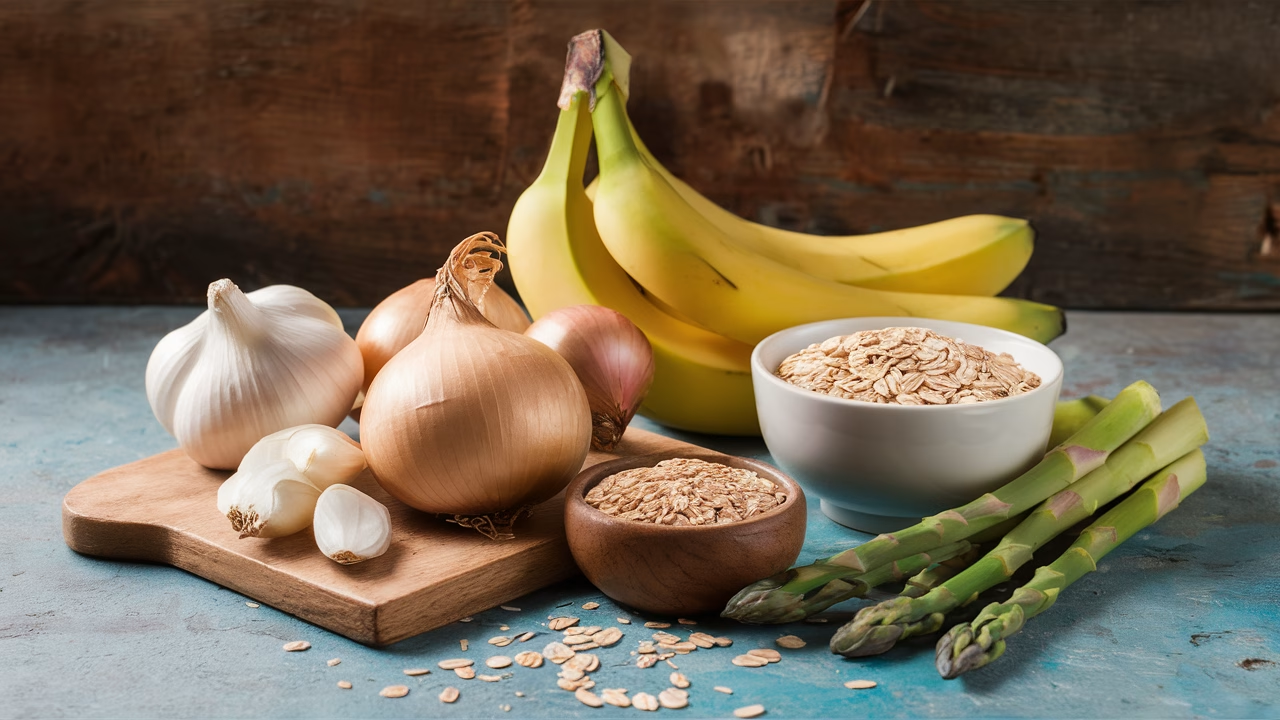
- Add natural prebiotics: Include fiber-rich foods like garlic, onions, bananas, and oats daily.
- Eat for your microbiome: Prioritize fermented and fiber-rich whole foods.
- Avoid gut disruptors: Limit processed foods, overuse of antibiotics, and chronic stress.
- Support with lifestyle: Sleep well, manage stress, stay active—your gut depends on it.
Understanding Gut Health
Ever walked into a room and forgot why you went in there? Or maybe you’ve battled bloating after a meal that seemed harmless? Chances are, your gut health could use some attention. Your gut isn’t just processing food—it’s powering your brain, regulating immunity, and even nudging your mood. At the heart of it all lies trillions of tiny organisms forming your gut microbiome.
So, what are probiotics and prebiotics, and why should they have a permanent place on your plate?
How to Fix Walking Posture for Instant Sciatica Relief (5 Expert Tips)
Probiotics vs Prebiotics: What’s the Difference?
In simple terms:
| Probiotics | Prebiotics |
|---|---|
| Live beneficial bacteria | Food for those beneficial bacteria |
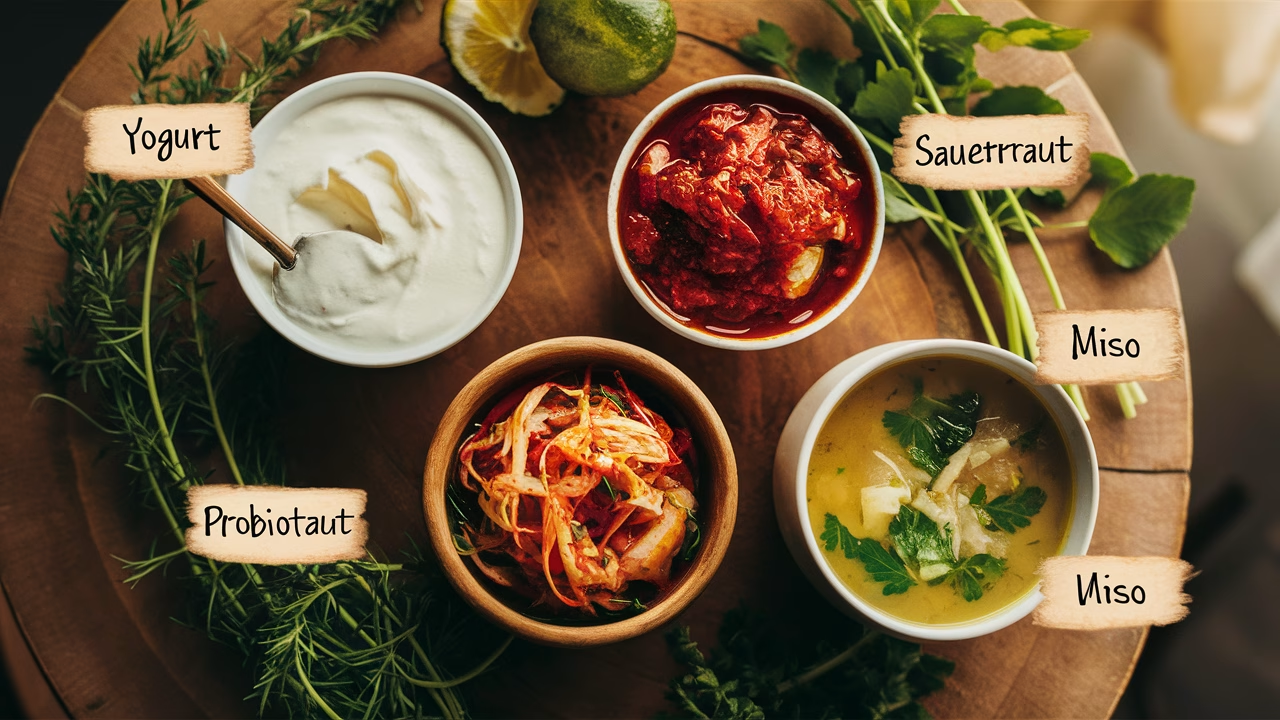
| Found in fermented foods like yogurt, sauerkraut, kimchi | Found in fiber-rich plant foods like chicory, onions, oats |
| Help replenish and diversify your gut microbiome | Support the growth of good gut bugs already present |
Think of probiotics as gardeners, and prebiotics as the fertilizer that helps your inner garden thrive. You need both for optimal gut health.
The Best Probiotics for Gut Health
Not all probiotics are created equal. Different strains offer different benefits for your digestive system. Here’s what science says about some of the most powerful strains for gut health:
Lactobacillus acidophilus – The Digestive All-Star
Found in yogurt and cultured vegetables, this strain is known to ease diarrhea, improve absorption of nutrients, and reduce bloating. It’s your go-to probiotic after antibiotic use.
Bifidobacterium longum – The Mood and Immunity Booster
This friendly microbe supports immunity, reduces inflammation, and has even shown promise in reducing symptoms of anxiety and IBS. It’s one of the best probiotics for overall gut health.
Saccharomyces boulardii – The Traveler’s Defense
Technically a yeast, this probiotic is excellent for treating traveler’s diarrhea and offers protection against pathogenic bacteria.
Real-Life Tip: How to Incorporate Probiotics
Here are gut-friendly ways to sneak probiotics into your day:
- Start your morning with kefir or a probiotic yogurt smoothie.
- Add kimchi or sauerkraut to sandwiches or grain bowls.
- Snack on probiotic-rich pickles or miso soup.
Bonus: Rotate your probiotic sources throughout the week to introduce a range of strains to your gut microbiome.
Incorporating Prebiotics for a Healthy Gut
Now that you’re feeding your gut the good guys, you need to keep them alive and thriving. That’s where prebiotics take the stage. These indigestible plant fibers ferment in your colon and act as fuel for your gut flora, making them essential for maintaining a healthy gut.
Top Prebiotic Foods to Add to Your Diet
- Garlic & onions: Add aromatics to any dish for both flavor and functional gut benefits.
- Chicory root: High in inulin fiber, great in tea or roasted with veggies.
- Green bananas: Rich in resistant starch that feeds Bifidobacteria in your gut microbiome.
- Oats & barley: Add to breakfast or bake into fiber-rich snacks for digestive system support.
- Asparagus, leeks, artichokes: Versatile and packed with prebiotic potential for gut health.
Simple Ways to Sneak in Prebiotics
Prebiotics don’t demand a total diet makeover. Try these natural approaches:
- Swap garlic powder with fresh garlic paste in your meals.
- Mix sliced banana into your oatmeal for prebiotic fiber.
- Blend steamed artichoke into creamy dips.
- Choose whole oats over instant options to maximize fiber content for your digestive system.
Tips for Improving Gut Health Naturally
Healthy gut, happy life, right? Here are practical, holistic ways to support long-term gut wellness beyond what’s on your menu.
1. Eat the Rainbow
Phytonutrients from colorful plants offer polyphenols that feed beneficial microbes in your gut microbiome and decrease harmful ones. Think purple cabbage, orange carrots, green spinach, and red beets for optimal gut health.
2. Don’t Neglect Fiber
Soluble and insoluble fibers act as a soft broom for your digestive tract, keeping things moving and microbes humming. Aim for 25–30g daily to support your gut health naturally.
3. Hydration = Gut Lubrication
Water helps your digestion flow smoothly. Not enough? Expect constipation, stagnation, and unhappy microbes in your digestive system.
4. Manage Stress Levels
Chronic stress impairs digestion and alters your gut microbiome. Practices like meditation, yoga, deep belly breathing, and time in nature help your gut and your brain simultaneously.
5. Sleep Deeply
Poor sleep inhibits melatonin and cortisol production, directly influencing gut motility and microbial balance. Aim for 7–9 hours of solid rest for optimal gut health.
Frequently Asked Questions
What’s the difference between prebiotics and probiotics?
Probiotics are live beneficial bacteria, while prebiotics are the non-digestible fibers that those bacteria feed on. Both are essential for optimal gut health and maintaining a balanced gut microbiome.
Can probiotics help with bloating?
Yes. Several probiotic strains like Lactobacillus acidophilus and Bifidobacterium infantis can reduce gas, ease bloating, and improve digestion over time by supporting your digestive system.
How quickly do probiotics work?
Some people notice improvements within days, especially in digestion. However, for long-term gut health changes and gut microbiome balance, consistent use for 4–8 weeks is usually needed.
Should I take a supplement, or can I get enough from food?
Many people can support gut health through food alone. However, targeted probiotic supplements may help if you’re dealing with chronic digestive system issues like IBS, antibiotic recovery, or poor diet.
How do I know if my gut is unhealthy?
Common signs include bloating, constipation, food sensitivities, skin issues, fatigue, and brain fog. A diverse, balanced gut microbiome supports overall well-being and digestive system function.
Are fermented foods enough to keep my gut healthy?
They’re a great start for gut health. But combining fermented foods with prebiotics, fiber, regular movement, hydration, and stress management creates lasting change in your gut microbiome.
Can children benefit from probiotics?
Yes. Childhood is a critical period for developing gut flora and establishing a healthy gut microbiome. Always consult a healthcare provider for age-appropriate guidance on probiotics and prebiotics.