
What is sleeplessness in legs—and how can you finally sleep?
Sleeplessness in legs most commonly stems from Restless Leg Syndrome (RLS), a neurological condition that creates an uncontrollable urge to move your legs, especially when you’re trying to rest. This overwhelming need to move interferes with your natural sleep cycle, causing repeated awakenings and severe sleep deprivation over time. If your legs feel twitchy, achy, or simply won’t stay still as you’re trying to fall asleep—you’ve come to the right place for answers.
TL;DR Summary:
- Sleeplessness in legs is most commonly linked to Restless Leg Syndrome (RLS), a neurological condition affecting millions.
- Key symptoms include tingling, crawling sensations, and an irresistible urge to move your legs—symptoms that worsen at night.
- RLS severely impacts overall sleep quality, leading to daytime fatigue and reduced mental focus.
- Improve sleep with RLS through consistent bedtime routines, warm baths, mental relaxation practices, and targeted exercise.
- Effective lifestyle changes for RLS include magnesium and iron supplements, proper hydration, and specific stretching exercises before bed.
- Natural remedies for RLS relief include herbal teas, resistance band exercises, therapeutic massage, and yoga-based leg stretches.
- Professional support for RLS is available through sleep clinics, neurologists, and active patient communities.
Overview of Restless Leg Syndrome
Understanding RLS Symptoms and Triggers
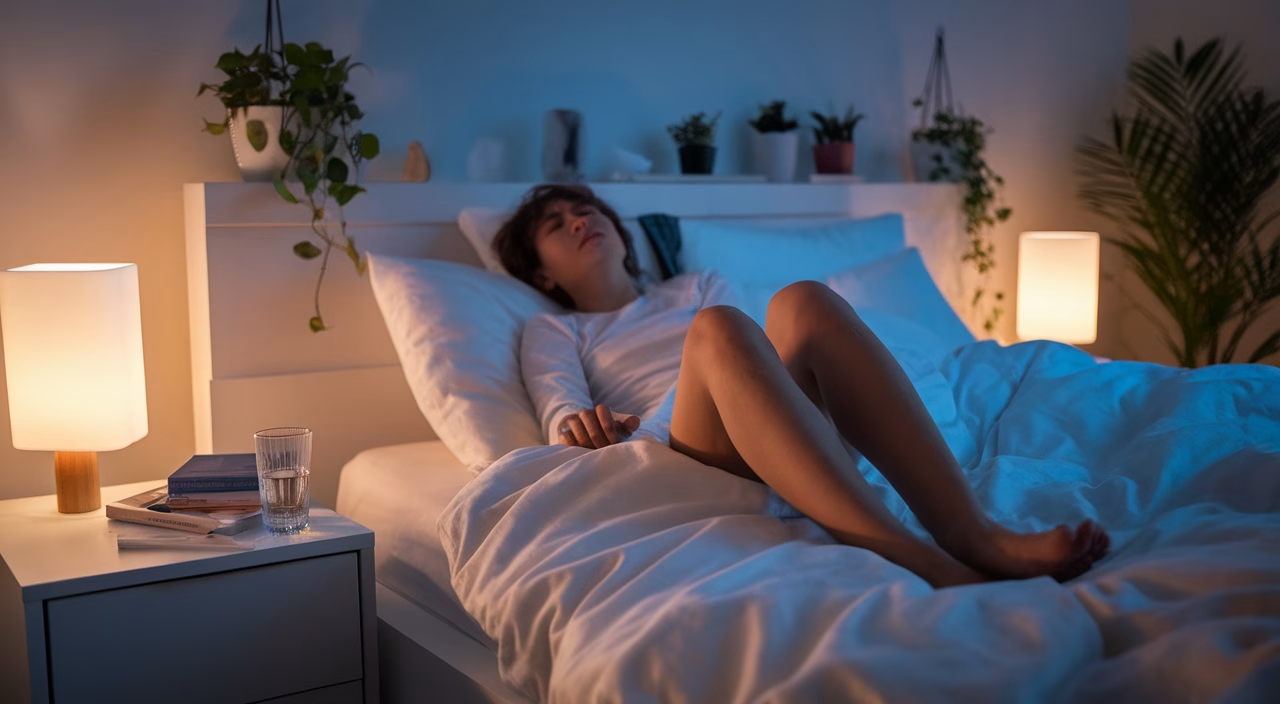
Restless Leg Syndrome feels like your legs have developed a mind of their own. You’re finally lying down after a long day, expecting peaceful rest—and instead, you’re hit with tingling, twitching, or that deep, internal sensation that demands immediate movement.
Key RLS symptoms you might recognize:
- Strong, often uncomfortable urge to move your legs—symptoms worsen when you’re at rest
- Symptoms consistently peak during evening and nighttime hours, improving with activity
- Relief only comes with movement—it’s not just discomfort, but an actual compulsion to move
Common triggers for sleeplessness in legs include sitting too long, chronic stress, caffeine intake, poor circulation, low iron levels, and certain medications. Women experience RLS more frequently (especially during pregnancy), though it affects people of all genders—and symptoms often intensify with age.
Diagnosis and Treatment Options
There’s no single diagnostic test for RLS. Healthcare providers typically diagnose it through detailed clinical history, sleep studies, and blood work to check for iron, folate, or magnesium deficiencies. Your doctor may ask about your sleep patterns, physical activity levels, and current medications.
Restless leg syndrome treatment options include:
- Dopaminergic medications (prescribed cautiously due to potential tolerance issues)
- Targeted sleep aids or muscle relaxants
- Iron, magnesium, or folate supplementation based on deficiency testing
- Compression devices, therapeutic leg massagers, or pneumatic compression tools
When managed properly with the right combination of treatments, most people experience significant improvements within weeks. However, medication is often just one piece of the puzzle—lifestyle changes play an equally important role.
Impact of RLS on Sleep Quality
Tips for Improving Sleep with RLS
If RLS dominates your nights, you know firsthand how disruptive it can be: waking up multiple times, tossing sheets aside, pacing around your bedroom. But restful sleep is absolutely still within your reach with the right strategies.
Proven ways to improve sleep with RLS:
- Maintain consistent sleep schedules: Go to bed and wake up at the same times daily—yes, even on weekends.
- Eliminate evening stimulants: Avoid caffeine, alcohol, and nicotine 4–6 hours before your intended bedtime.
- Take warm baths before bed: Heat helps relax leg muscles and activates your body’s natural relaxation response.
- Optimize your sleep environment: Keep your bedroom cool, dark, and quiet to promote deeper sleep stages.
- Practice mental relaxation: Try deep breathing exercises, progressive muscle relaxation, mindfulness meditation, or calming music nightly.
Here’s what we often see in practice—people establish excellent bedtime rituals but neglect daily stretching or balanced nutrition. Without these foundational habits in place, RLS symptoms have more opportunity to disrupt your nights. Let’s explore those impactful daily lifestyle choices that can make all the difference.
Lifestyle Changes to Manage Restless Leg Syndrome
Nutrition, Exercise, and Stress Management

Your daily nutrition directly impacts your nightly rest—and nutritional deficiencies often play a central role in RLS symptoms. Many people discover they need targeted nutrients more than medications to find relief from sleeplessness in legs.
Foods that naturally help calm restless legs:
- Dark leafy greens — packed with bioavailable iron and muscle-relaxing magnesium
- Legumes and nuts — excellent sources of B-vitamins and folate for nerve health
- Bananas — provide muscle-friendly potassium and natural glucose for cellular energy
- Dark chocolate (in moderation) — rich in magnesium and provides comforting ritual benefits
Targeted exercises for restless legs at night: Gentle, pre-bedtime movement can dramatically reduce RLS symptoms. Think of these activities as resetting your nervous system’s dial from “alert” to “calm.”
| Exercise | Why It Works for RLS |
|---|---|
| Calf Raises | Improves blood circulation and helps reset overactive nerve signals |
| Hamstring Stretches | Releases built-up tension at the back of your legs |
| Foam Rolling | Provides deep muscle relaxation and myofascial release |
| Gentle Yoga Flow | Calms your entire nervous system while boosting leg flexibility |
Support and Resources for Individuals with RLS
Where to Find Trusted Help When You’re Struggling
You don’t have to navigate sleeplessness in legs alone. Even though RLS symptoms are invisible to others, the toll they take on your mental health, daily energy, and overall quality of life can be profound. The encouraging news? There’s an active, supportive community and established professional pathways ready to help you find relief.
Valuable forms of support for RLS include:
- Accredited sleep centers and board-certified neurologists specializing in movement disorders
- Active online forums and RLS-specific support communities where you can connect with others
- Evidence-based RLS wellness apps and symptom trackers to monitor your progress
- Sleep specialists offering CBT-I (cognitive behavioral therapy for insomnia)—particularly powerful for RLS-related sleep issues
Cost Guide for Managing RLS
| Option | Low | Mid | High |
|---|---|---|---|
| Supplements (Mg, Iron) | $10 | $25 | $60 |
| Consultation with Neurologist | $100 | $200 | $400 |
| Massage Devices or Compression Tools | $30 | $80 | $200 |
| Mindfulness or CBT App | Free | $15/mo | $50/mo |
Final Thoughts
While RLS may start with sensations in your legs, its impact extends far into how you live, think, and engage with your world each day. But effective solutions absolutely exist. From natural remedies for RLS relief to intentional lifestyle changes and professional support systems, you don’t have to accept nights spent pacing or struggling with heavy, restless legs. You can rewrite your sleep story and finally experience the restorative rest your body craves. All it takes is the right guidance—and the courage to try approaches that work specifically for your situation.
Frequently Asked Questions
- Can lack of sleep cause tightness in calves?
Yes, ongoing sleep deprivation worsens muscle recovery, circulation, and cortisol levels—all of which can lead to leg cramping or tightness. - What’s the difference between RLS and leg cramps?
RLS creates a neurologically driven urge to move, often with tingling. Cramps are sudden, painful contractions often triggered by dehydration or overuse. - Are there natural remedies for RLS relief?
Yes—magnesium supplements, yoga, hot baths, herbal teas, meditation, and leg massage are all effective for many people. - Can stress make RLS worse?
Absolutely. Stress increases nervous system arousal, making nighttime symptoms more intense. Relaxation techniques are crucial. - How long does it take to improve sleep with RLS?
Most people see changes in 2–4 weeks after managing triggers and daily habits consistently. - What exercises help restless legs?
Daily walking, light stretching like hamstring and calf raises, and yoga-based flows are popular for relief. - Can children have RLS too?
Yes, and it’s often overlooked. If your child struggles to sit still, especially in the evening, RLS might be worth discussing with a pediatric neurologist.