Why Do I Get Anxious When Hungry?
Many people experience a sudden onset of nervousness, irritability, or even panic when they haven’t eaten in a while. This isn’t just a mental trick — it’s a physiological response. Being anxious when hungry is often tied to dips in blood sugar, also known as hypoglycemia. When your body runs low on fuel, your brain triggers stress responses that mimic anxiety symptoms.
TL;DR – Quick Summary
- Feeling anxious when hungry is a real and common biological response. It’s often triggered by low blood sugar, which causes your brain to fire stress signals similar to those in anxiety.
- Hypoglycemia can worsen anxiety symptoms. Skipping meals or eating high-sugar, low-protein meals can cause blood sugar crashes, leading to jitteriness, irritability, and panic-like sensations.
- You can manage these anxiety spikes through dietary adjustments. Regular meals high in fiber, protein, and healthy fats provide stable energy and mood support.
- Foods rich in magnesium, omega-3s, and B-vitamins support mood health and overall emotional balance.
- Nutrition for anxiety focuses on avoiding blood sugar swings and nourishing the nervous system consistently.
How Nutrition for Anxiety Works: The Science Behind Your Mood
Managing anxiety requires a holistic approach — and nutrition for anxiety is an often-overlooked pillar. If you find yourself on edge, jittery, or extra emotional when you haven’t eaten, your body may be signaling a need for more consistent energy support.
When your blood sugar drops, the body releases stress hormones like cortisol and adrenaline. These hormones do more than wake you up — they prepare your body for “fight or flight,” leading to feelings that mirror anxiety symptoms: a racing heart, shallow breathing, tight muscles, and a general sense of unease.
By paying attention to your diet, you can lessen these biological stress signals and calm your emotional reactions. Understanding why you feel anxious when hungry is the first step toward taking control of your mental health through food.

The Connection Between Hunger and Anxiety
Here’s what often happens: You wake up late and skip breakfast. By mid-morning, you feel unfocused, edgy, or downright anxious. That sensation — of shakiness, brain fog, or feeling like the room is spinning — might be tied to blood sugar instability.
Blood Sugar and the Fight or Flight Response
Glucose, a simple sugar, is your brain’s main fuel source. When levels of blood glucose drop (hypoglycemia), your body freaks out a little. To compensate, it releases stress hormones that can trigger symptoms like:
- Shaking or trembling
- Increased heart rate
- Sweating
- Dizziness
- Mood swings or irritability
Sound familiar? These overlap heavily with classic anxiety symptoms. It’s no coincidence. Being anxious when hungry is essentially your body’s panic signal when blood sugar drops too low.
Who’s Most Affected by Hunger-Induced Anxiety?
- People with existing anxiety disorders who are more sensitive to stress hormones
- Those on restrictive diets or intermittent fasting without proper planning
- Highly active individuals not replenishing carbs/protein post-workout
- People who rely on coffee for energy instead of balanced whole foods
Understanding Hypoglycemia and Anxiety
Let’s explore the science behind why low blood sugar triggers such intense emotional responses. Hypoglycemia isn’t just a diabetic concern — any person can experience transient low blood sugar, especially if meals are skipped, or if fast-digesting carbs are eaten without fiber, protein, or fat.
When you experience hypoglycemia, your body can’t distinguish between actual danger and low fuel levels — both trigger the same stress response that amplifies anxiety symptoms.
| Physical Symptoms | Mood-Based Symptoms |
|---|---|
| Shakiness, muscle weakness | Restlessness, irritability |
| Racing heartbeat | Feeling panicky or nervous |
| Headache | Sudden mood swings |
The spikes and dips in blood sugar create an emotional rollercoaster — and your mood will follow suit. A body running on unsteady fuel is more prone to emotional fragility, worry, and tension.
How Low Blood Sugar Affects Your Brain Chemistry
Low blood sugar directly affects neurotransmitters like serotonin and dopamine, both crucial for mood balance. Without stable blood sugar, the brain struggles to regulate mood, making those already prone to anxiety feel it most intensely.
The Blood Sugar Rollercoaster
If you frequently eat sugary foods or simple carbs without protein or fat, it causes a blood sugar spike — followed by a crash. During the crash, your brain becomes depleted and panics, amplifying existing anxiety symptoms and creating new ones.
Practical Nutrition for Anxiety: Your Action Plan
Here’s how to transform that cycle from anxious when hungry to balanced and supported through strategic eating:
Never Skip Meals (Especially Breakfast)
Eating regularly — even small snacks every 3–4 hours — helps prevent dangerous drops in blood glucose that trigger anxiety responses.
Master the Macronutrient Balance
- Protein: Slows digestion and sustains energy (eggs, beans, meats, nuts)
- Fiber: Helps prevent glucose spikes and crashes (whole grains, fruits, veggies)
- Healthy fats: Support nervous system function and stabilize energy (avocado, olive oil, seeds)
Stay Consistently Hydrated
Dehydration intensifies anxiety symptoms and makes blood sugar regulation harder. Drink water throughout the day — not just when thirsty.
Limit Caffeine and Alcohol
These substances can worsen anxiety symptoms and create blood sugar instability. You don’t need to eliminate them completely, but be mindful of timing and quantity.
Prioritize Magnesium-Rich Foods
This crucial mineral helps calm the nervous system naturally. Try leafy greens, almonds, pumpkin seeds, and bananas as part of your daily nutrition for anxiety plan.
Embrace Complex Carbohydrates
Whole grain carbohydrates (oats, brown rice, quinoa) normalize blood sugar and support serotonin production — your brain’s natural mood stabilizer.
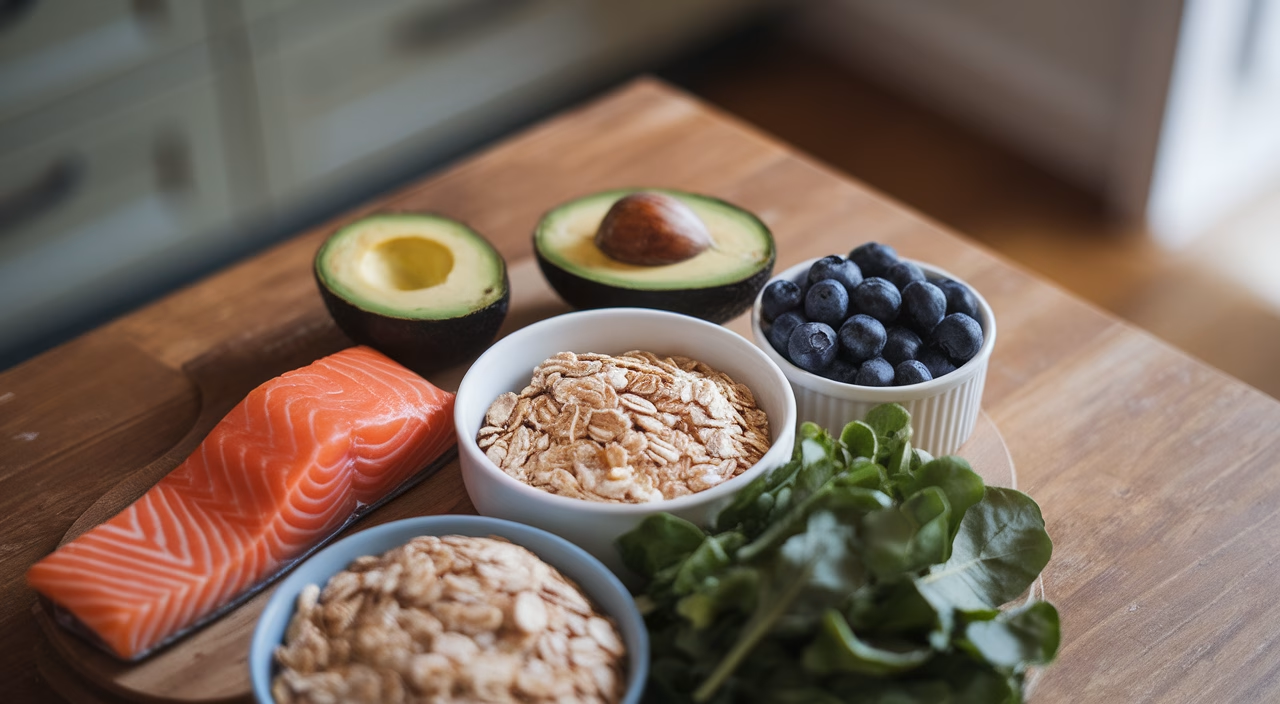
Best Foods to Reduce Anxiety Naturally
Below are foods scientifically proven to support emotional calm and blood sugar balance — your toolkit for effective nutrition for anxiety:
| Food | Why It Helps |
|---|---|
| Oats | Steady carbs for serotonin support |
| Avocados | High in healthy fats + magnesium |
| Salmon | Rich in omega-3s for brain health |
| Eggs | Rich in amino acids to support neurotransmitters |
| Greek yogurt | Probiotics for gut-brain support |
| Chickpeas | Protein + fiber combo for blood sugar |
| Blueberries | Antioxidants + vitamin C for stress relief |
Conclusion: Implementing Nutrition for Anxiety in Your Daily Life
If you’re routinely anxious when hungry, the message is clear: your body needs more gentle, consistent, nourishing fuel. You don’t need to embark on a restrictive diet or overhaul your lifestyle overnight. Start small: prioritize breakfast, carry balanced snacks, and learn your body’s hunger cues.
Remember, effective nutrition for anxiety isn’t about perfection — it’s about consistency. When you prevent low blood sugar episodes and hypoglycemia, you’re not just avoiding physical discomfort; you’re actively supporting your mental health.
Food is more than fuel; it’s information that tells your brain how to respond to stress. When you nourish wisely with balanced meals that prevent blood sugar swings, you’re not just calming your stomach — you’re calming your mind and taking control of your anxiety symptoms.
Frequently Asked Questions
- Can being hungry really cause anxiety?
- Yes. Low blood sugar triggers hormones that can lead to symptoms like shakiness, irritability, and nervousness — all of which overlap with anxiety.
- What are the best snacks if I get anxious between meals?
- Think protein + fiber: a handful of almonds with an apple, hummus with carrots, or cottage cheese with berries.
- How do I know if my anxiety is food-related?
- Notice if symptoms lessen shortly after eating. Also, track patterns: do you feel more anxious when you skip meals or eat sugary foods?
- Does cutting out sugar help with anxiety?
- For many, reducing refined sugars lessens highs and lows in mood. You don’t need to go sugar-free — just be mindful of how sugar affects your energy and feelings.
- Is intermittent fasting bad for anxiety?
- Depends on your body. IF may worsen anxiety in people sensitive to blood sugar drops. Always consult a nutritionist if unsure.
- Can I treat anxiety with food instead of medication?
- Food can support emotional health but isn’t a substitute for clinical care. Pair both for optimal results.