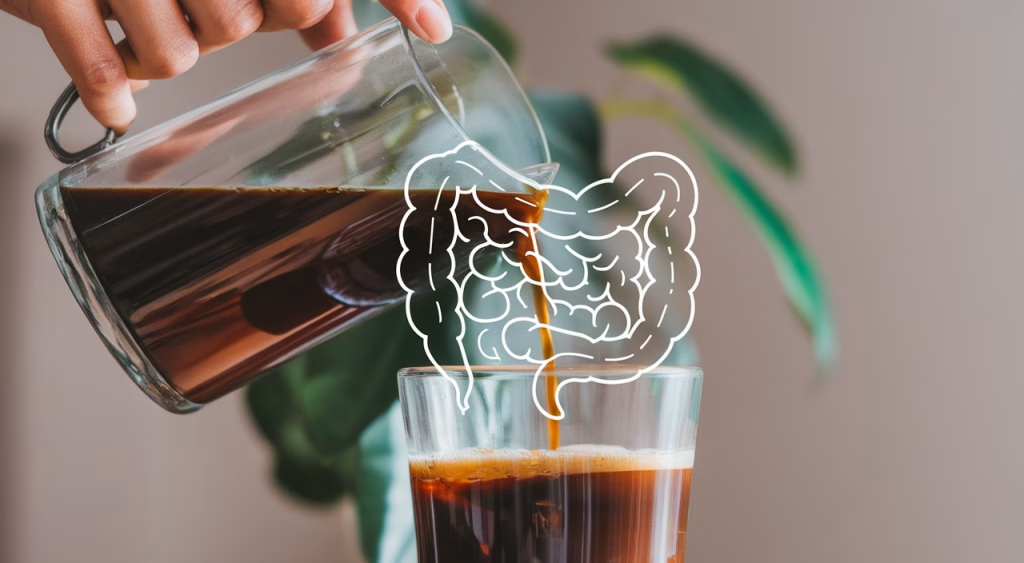
Can Gut Health Really Help with Managing Depression?
In short: yes — though it’s not a standalone cure, improving your gut health can significantly support mental well-being. Emerging research reveals a powerful link between the digestive system and emotional health. This connection exists through the gut-brain axis — a real, biochemical communication network between your belly and your brain. By nurturing a balanced gut microbiome and choosing foods rich in mood-regulating nutrients, you can make a measurable difference in how you feel.
- Your gut and your brain are connected via the vagus nerve — and this connection influences mood, stress, and even cognition.
- Probiotic-rich foods like Greek yogurt support healthy gut bacteria that may help ease symptoms of depression.
- Fiber-rich foods feed beneficial gut bacteria, which promotes serotonin production — a feel-good neurotransmitter.
- Nutrients like folate, omega-3s, and polyphenols all play distinct roles in both gut health and mood regulation.
- Diet alone isn’t a cure. If you’re struggling with depression, it’s crucial to pair nutritional changes with professional mental health support.
The Gut Microbiome: A Key Player in Your Digestive System
Picture your gut as a bustling metropolis inhabited by trillions of bacteria, fungi, and other microorganisms. This ecosystem, known as the gut microbiome, doesn’t just digest food — it produces neurotransmitters, regulates immune function, and influences your brain chemistry.
Think of it this way: when your gut microbiome is in balance, communication between your digestive system and brain is smooth and supportive. But an imbalanced gut microbiome — often caused by poor diet, stress, or antibiotics — can throw your whole system off.
Understanding Probiotics and Their Benefits
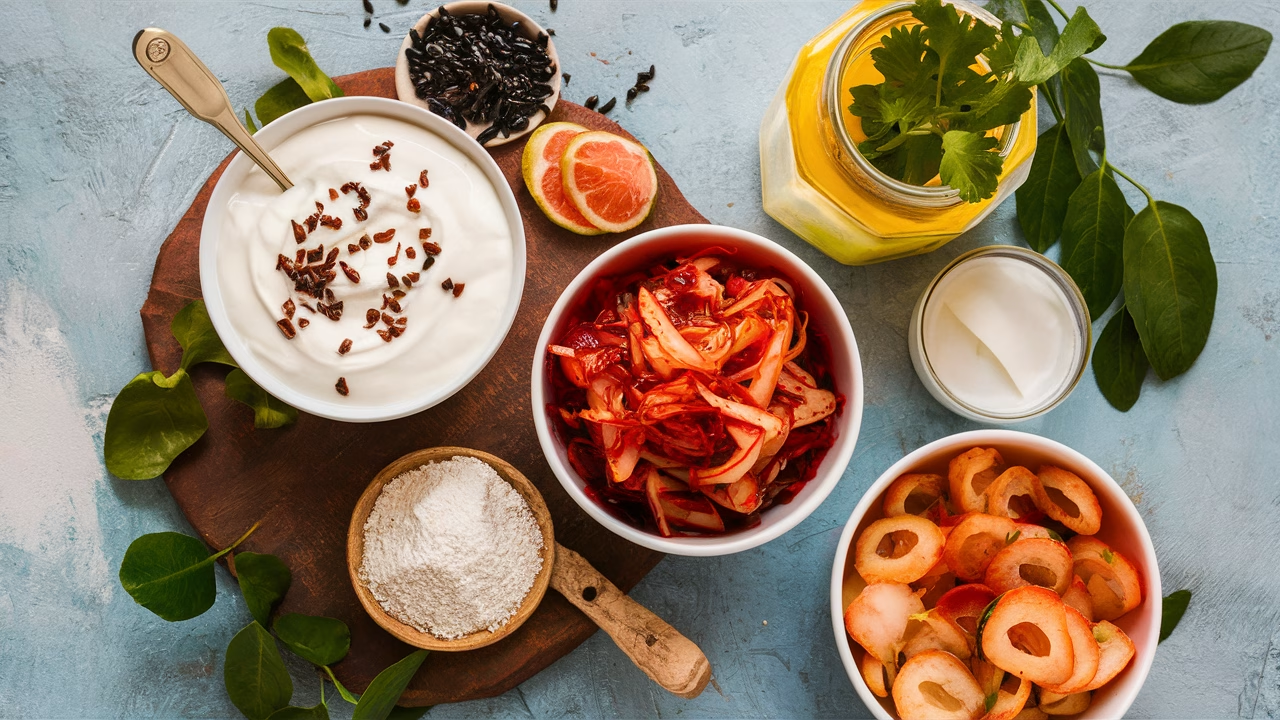
Probiotics are the live “good” bacteria that help keep your digestive system healthy. They’re naturally found in fermented foods like:
- Greek yogurt
- Kefir
- Kimchi
- Sauerkraut
- Miso and tempeh
Research shows that these beneficial bacteria can positively affect mood by supporting the production of serotonin and reducing gut inflammation. This is one of the reasons probiotic foods are among the best for gut health, especially for beginners looking to improve mood holistically through better digestive system support.
Nourishing Your Gut: Foods That Support Digestive Health
What you feed your gut microbiome matters — a lot. Every bite is either nourishing or disturbing your digestive system. Let’s look at gut-friendly foods that pack a mood-enhancing punch.
7 Natural Remedies for Jaw Tension Relief + Effective TMJ Exercises That Actually Work
Fiber-Rich Foods: The Building Blocks of Gut Health
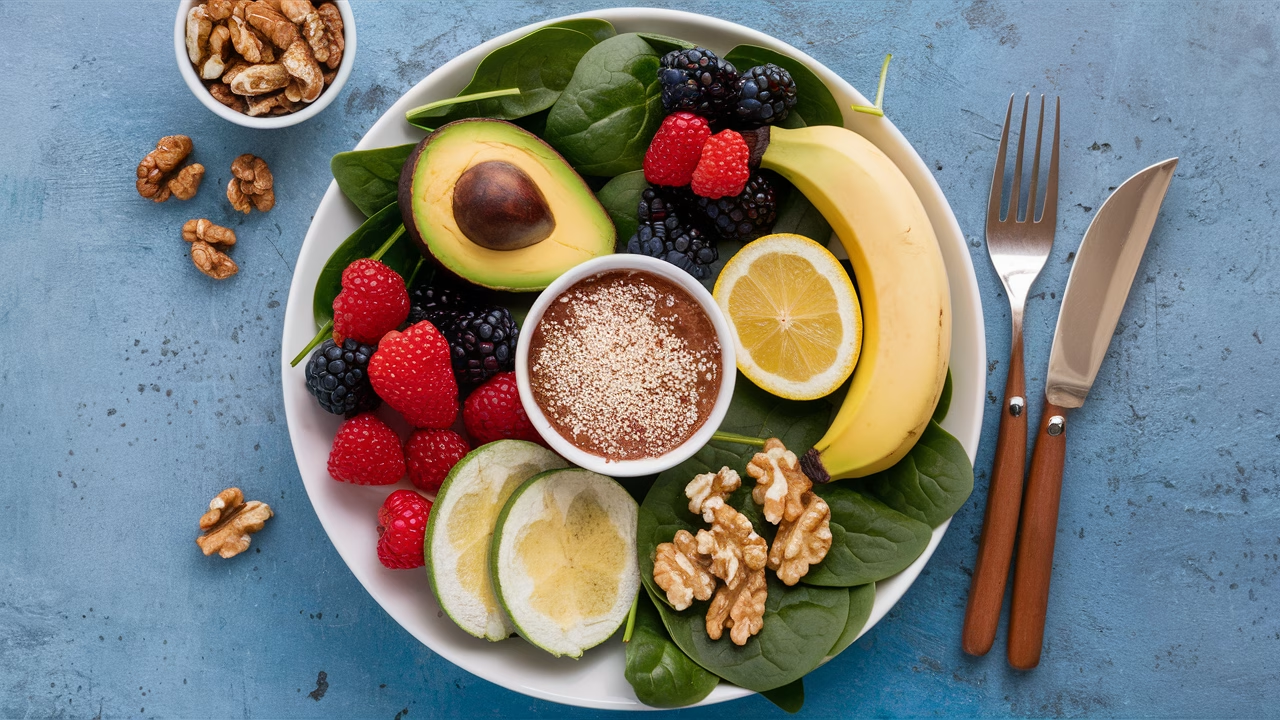
Fiber is your gut’s best friend. It’s found in plant-based foods and provides prebiotics — the food for your beneficial gut bacteria. Your gut microbiome thrives on fiber-rich foods like:
| Food | Type of Fiber | Gut Benefit |
|---|---|---|
| Spinach | Insoluble | Promotes regularity, rich in folate |
| Berries | Soluble & Insoluble | Feeds gut bacteria, rich in polyphenols |
| Bananas | Resistant starch | Boosts healthy bacteria production |
| Avocados | Soluble | High in folate and monounsaturated fats |
| Walnuts | Mixed | Provide omega-3s and fiber |
Bonus tip: Try adding legumes like lentils or beans to meals — they’re fiber-rich, protein-packed, and gentle on your digestive system when cooked properly.
Gut Health and Mental Well-being: The Surprising Connection
Ever felt “butterflies in your stomach” when you’re anxious? That’s the gut-brain connection in action. This direct line of communication reinforces how changes in your digestive system can influence your mood and vice versa.
Your gut produces up to 95% of your serotonin — the vital neurotransmitter responsible for regulating emotions, sleep, and appetite. This makes your digestive system one of the most underestimated players in mental health and gut health optimization.
Studies have shown connections between bacterial diversity in the gut microbiome and reduced symptoms of depression and anxiety. While more research is evolving, here’s what you can start doing today:
- Practice mindful eating: Chew slowly and enjoy your meals.
- Limit ultra-processed foods: These can disrupt your gut microbiome balance.
- Include fermented and fiber-rich ingredients at every meal.
- Stay hydrated to promote smooth digestive processes.
Supplements for Gut Health: Boosting Your Microbiome
Not sure where to start with enhancing your gut microbiome beyond food? That’s where beginner-friendly gut health supplements can help support your digestive system. Here are a few options:
- Probiotic capsules or powders: Great for those who don’t eat fermented foods often.
- Prebiotic supplements: Feed your good bacteria (inulin and FOS are popular).
- Digestive enzymes: Can aid in nutrient breakdown for those with weakened digestion.
- Omega-3 fatty acids: Found in fish oil, they support anti-inflammatory activity in the gut lining and brain.
Pro tip: Start with one change at a time — whether that’s adding a spoon of Greek yogurt or a probiotic capsule — and observe how your mood and digestive system respond within a few weeks.
Frequently Asked Questions
- How long does it take to feel a change in mood from improving gut health?
For most people, modest changes can be felt within 2–4 weeks, especially with consistent dietary and probiotic choices. - Can poor gut health cause depression?
While it may not directly cause depression, gut dysbiosis can contribute to symptoms like fatigue, low mood, and anxiety. - Is it okay to take probiotics daily?
Yes, probiotics are generally safe for daily use and are especially helpful when dietary intake is low. - What’s the best probiotic food to start with?
Greek yogurt is a great beginner-friendly choice — it’s widely available, mild in taste, and also rich in protein. - How does fiber affect mental health?
Fiber feeds good bacteria, which produce substances that influence mood-related neurotransmitters like serotonin and GABA. - Should I stop antidepressants if my gut health improves?
No. Always consult with a healthcare professional before making medication changes.