What should you know about how sleep affects hunger and food cravings?
When you don’t get enough sleep, your body’s hunger hormones spiral out of control, triggering intense cravings that can derail your health goals.
TL;DR:
- Sleep deprivation disrupts appetite-regulating hormones like ghrelin and leptin.
- Poor sleep can increase your daily caloric intake by 300-500 calories.
- Better sleep quality naturally reduces food cravings and nighttime snacking.
- The biological link between sleep and appetite affects weight management.
- Simple sleep strategies can help you control night cravings and sleep better.
Understanding the Science Behind How Sleep Affects Hunger
The Biological Link Between Sleep and Appetite
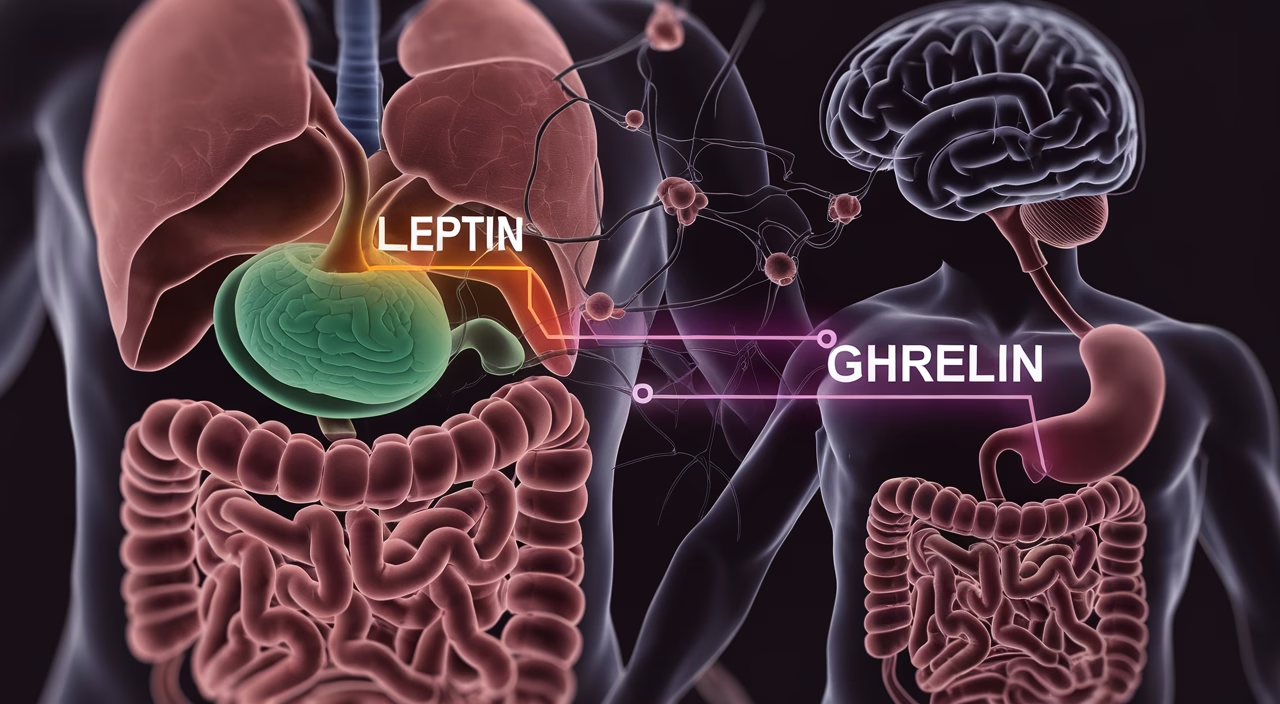
The relationship between how sleep affects hunger runs much deeper than feeling tired and reaching for snacks. Your body relies on precise appetite-regulating hormones—primarily ghrelin and leptin—to control when you eat. Ghrelin acts as your “hunger hormone,” ramping up appetite when you need fuel. Leptin does the opposite, signaling your brain when you’re satisfied. Here’s where it gets interesting: just one night of poor sleep can increase ghrelin by up to 28% while dropping leptin by 18%. This biological link between sleep and appetite explains why you crave high-calorie foods after sleepless nights.
How Sleep Deprivation Disrupts Your Hunger Hormones
Beyond ghrelin and leptin, sleep deprivation food desire involves cortisol—your stress hormone. When you’re sleep-deprived, cortisol levels spike, driving you toward high-calorie, high-fat comfort foods. This creates a perfect storm: elevated ghrelin makes you hungrier, reduced leptin prevents satisfaction, and high cortisol pushes you toward the worst food choices. Understanding how sleep affects hunger at this hormonal level is crucial for breaking the cycle of nighttime snacking and lack of sleep.
The Real Impact on Your Caloric Intake
Poor sleep doesn’t just trigger night cravings—it significantly increases your daily caloric intake. Research shows sleep-deprived individuals consume 300-500 more calories per day, often choosing energy-dense foods to combat fatigue. This isn’t willpower failure; it’s biology. When you improve sleep quality, reducing food intake with better sleep becomes natural rather than forced.
Proven Strategies to Stop Night Cravings and Sleep Better
Breaking the cycle of nighttime snacking and lack of sleep requires targeting both issues simultaneously. Start with sleep hygiene basics: maintain consistent bedtimes, create a cool, dark sleep environment, and avoid screens 1-2 hours before bed. For immediate craving control, try herbal tea, light stretching, or meditation when night cravings hit. Planning balanced meals earlier in the day also helps stabilize those appetite-regulating hormones naturally.
How Better Sleep Transforms Your Overall Health
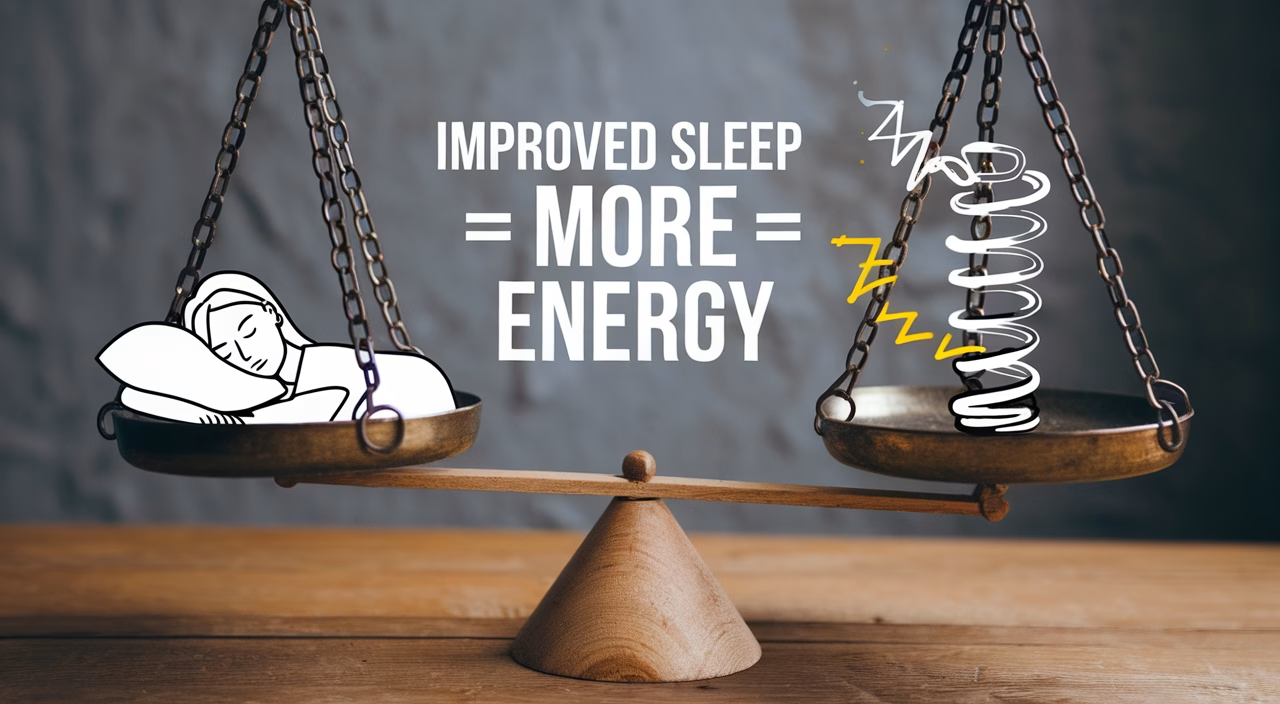
When you prioritize sleep, the benefits extend far beyond controlling how sleep affects hunger. You’ll experience improved mood stability, sharper cognitive function, and a stronger immune system. The biological link between sleep and appetite becomes your ally rather than your enemy, making weight management feel effortless. Reducing food intake with better sleep creates a positive cycle—better rest leads to better choices, which support even better sleep.
Frequently Asked Questions
- What is the impact of sleep on hormonal balance?
Sleep significantly affects hormones like ghrelin, leptin, and cortisol, which regulate hunger and stress.
- How quickly can adjusting sleep reduce food cravings?
Improvement varies, but within weeks, consistent better sleep can alleviate cravings.
- Can improving sleep alone aid in weight management?
Yes, improved sleep quality can lead to better weight control by regulating appetite.