How does bad posture affect breathing?
Poor posture can significantly impact your respiratory health by restricting lung expansion and reducing lung capacity. When you slouch or maintain improper alignment, your breathing becomes shallow and inefficient, leaving you feeling tired and out of breath.
TL;DR Summary:
- Poor posture negatively impacts breathing by compressing the lungs and restricting diaphragm movement.
- Common issues include slouching, forward head position, and rounded shoulders that limit respiratory function.
- Postural correction techniques and ergonomic improvements can dramatically enhance breathing quality.
- Lifestyle changes include regular stretching, strengthening exercises, and mindful posture awareness.
Introduction to Posture and Breathing Connection
Understanding the Impact of Bad Posture on Breathing

The connection between posture and breathing is more critical than most people realize. When you maintain poor posture, your ribcage collapses inward, compressing your lungs and restricting your diaphragm’s natural movement. This postural breathing relationship means that every slouch, every forward head tilt, and every rounded shoulder directly impacts how efficiently you can breathe. Understanding this connection is the first step toward implementing effective postural correction techniques that will transform both your posture and respiratory health.
Common Postural Issues Leading to Breathing Problems
The most prevalent postural problems affecting breathing include forward head posture, rounded shoulders, and thoracic kyphosis (excessive upper back curvature). These postural deviations create a domino effect: your chest cavity becomes compressed, your diaphragm can’t descend properly during inhalation, and your accessory breathing muscles become overworked. When you consistently maintain these poor postural habits, you’re essentially training your body to breathe inefficiently, leading to chronic shallow breathing patterns that can impact your energy levels and overall well-being.
Practical Tips for Correcting Posture to Enhance Breathing
Proper Ergonomics at Work and Home
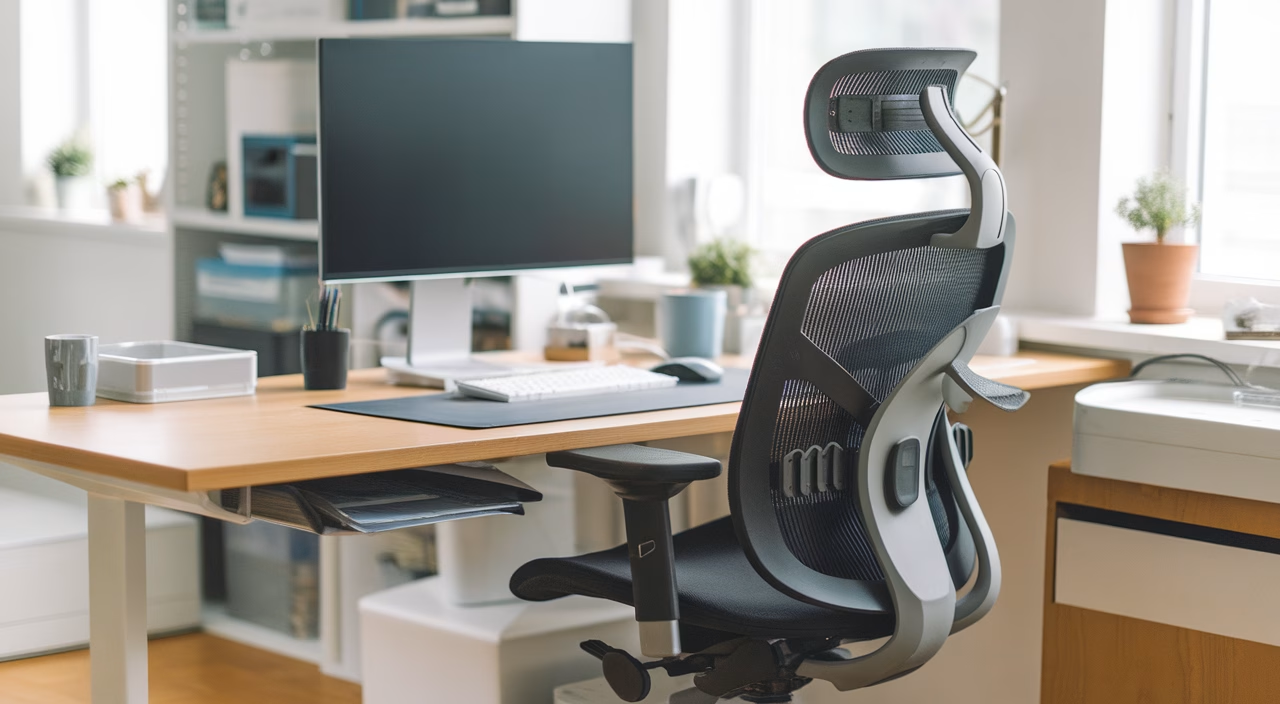
Creating an ergonomic environment is crucial for maintaining proper posture throughout your day. Position your computer screen at eye level to prevent forward head posture, ensure your chair supports your natural lumbar curve, and keep your feet flat on the floor. These ergonomic adjustments help maintain the optimal spinal alignment necessary for unrestricted breathing. Remember, even the best postural correction techniques won’t be effective if your environment constantly pulls you back into poor alignment.
Posture-Correcting Exercises and Stretches
Targeted postural correction exercises can significantly improve your breathing capacity. Focus on chest-opening stretches like doorway stretches and thoracic spine extensions to counteract rounded shoulders. Strengthen your deep neck flexors to combat forward head posture, and incorporate diaphragmatic breathing exercises to retrain your primary breathing muscle. The cat-cow stretch is particularly effective for improving spinal mobility, while wall angels help strengthen the muscles that maintain proper shoulder positioning.
Lifestyle Changes for Better Posture and Breathing
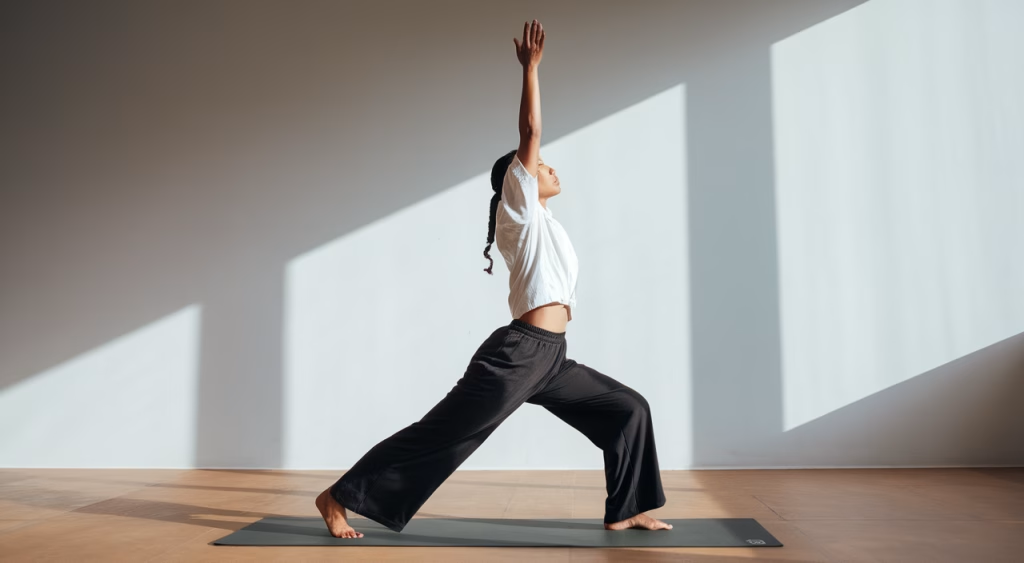
Beyond specific exercises, adopting mindful postural habits throughout your day creates lasting change. Set reminders to check your posture hourly, practice deep breathing exercises during breaks, and incorporate movement into your routine every 30 minutes. Consider activities like yoga or Pilates that naturally promote postural awareness and breathing coordination. These lifestyle modifications support your postural correction efforts and help establish new, healthier movement patterns that become second nature over time.
Conclusion: Incorporating Postural Correction for Long-Term Respiratory Health
Transforming your posture is one of the most effective ways to improve your breathing and overall health. By consistently applying these postural correction techniques, maintaining proper ergonomics, and making conscious lifestyle adjustments, you’ll notice significant improvements in your respiratory function, energy levels, and quality of life. Remember, lasting postural change takes time and consistency, but the benefits to your breathing and well-being make the effort worthwhile.
Frequently Asked Questions
How do you fix shortness of breath from bad posture?
Correcting posture through targeted exercises and proper ergonomics can relieve shortness of breath caused by postural restrictions. Start with chest-opening stretches, practice diaphragmatic breathing techniques, and ensure your workspace supports proper spinal alignment. Implementing daily postural correction routines and maintaining ergonomic awareness are essential steps in restoring normal breathing patterns and eliminating posture-related respiratory limitations.
What exercises improve posture and breathing?
The most effective exercises for improving both posture and breathing include thoracic extensions, doorway chest stretches, wall angels, and diaphragmatic breathing exercises. Cat-cow stretches enhance spinal mobility, while chin tucks address forward head posture. Core strengthening exercises like planks and bird dogs provide the stability needed to maintain proper alignment and support optimal breathing mechanics.
Why is posture important for respiratory health?
Proper posture is essential for respiratory health because it maintains the optimal shape and position of your ribcage, allowing your lungs to expand fully and your diaphragm to function efficiently. When your posture is compromised, your breathing becomes restricted, leading to decreased oxygen intake, increased fatigue, and potential long-term respiratory complications. Good posture ensures that your respiratory system can function at its full capacity.