
What Are the Best Foot Strike Techniques for Runners?
Your foot strike technique can make or break your running performance. The way your foot contacts the ground directly affects your running efficiency, injury risk, and the impact loads on your knee. As a runner, understanding these foot strike techniques will help you optimize your performance while protecting your body from unnecessary stress.
TL;DR Summary:
- Foot strike techniques dramatically affect running biomechanics and efficiency
- Midfoot strike minimizes impact loads on your knee and patellofemoral joint
- Choosing the best running shoes is crucial for midfoot strikers
- Transitioning between foot strike techniques requires gradual adjustment to prevent injury
- Gait analysis reveals critical insights into your running form and performance
Whether you’re battling knee pain from heel striking or wondering if your current foot strike technique is holding back your performance, we’ll guide you through the biomechanics that matter most for your running success.
Understanding Foot Strike Techniques
Your foot strike pattern determines how forces travel through your body with each step. There are three main foot strike techniques, each with distinct biomechanical implications for your knees and overall running performance.
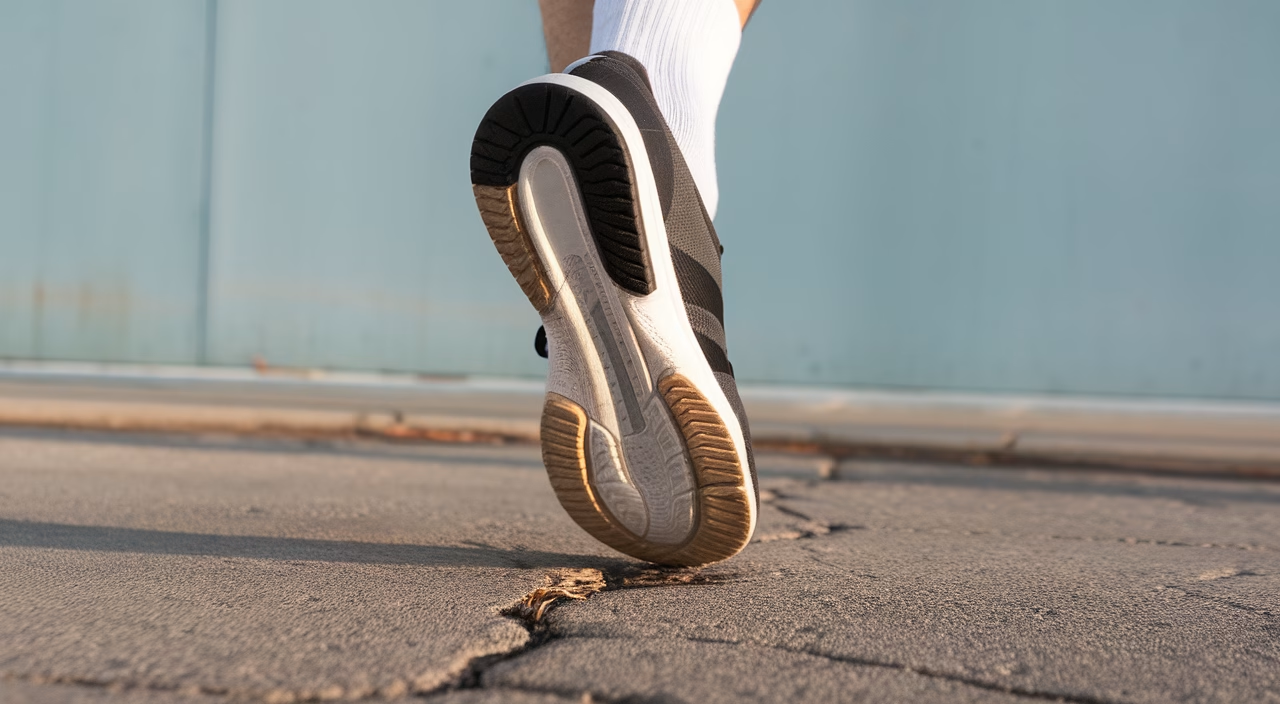
Heel Strike: High Impact, High Risk
Heel strike occurs when your heel contacts the ground first, creating a braking force that sends shock waves through your leg. This technique generates the highest impact loads on your knee, particularly stressing the patellofemoral joint. Research shows heel strikers experience up to three times more impact force than midfoot strikers, often leading to knee pain and overuse injuries.
Midfoot Strike: The Sweet Spot
Midfoot striking involves landing on the middle portion of your foot, distributing impact loads more evenly across your lower leg. This foot strike technique reduces stress on the patellofemoral area while maintaining efficient energy transfer. Most elite distance runners naturally adopt this pattern, making it the gold standard for running biomechanics.
Forefoot Strike: Speed with Caution
Forefoot strikers land on the balls of their feet, promoting quick turnover and explosive propulsion. While this technique can enhance speed and reduces knee impact loads, it shifts stress to your calves and Achilles tendon, requiring strong posterior chain muscles.
Choosing the Best Running Shoes for Your Foot Strike
The right running shoes can transform your foot strike technique and running performance. For midfoot strikers especially, shoe selection plays a crucial role in maintaining proper biomechanics and reducing impact loads on your knee.
Essential Shoe Features for Optimal Performance
Look for running shoes that complement your natural foot strike pattern. The best running shoes for midfoot strikers feature flexible midsoles that allow natural foot movement, responsive cushioning to absorb impact loads, and moderate heel-to-toe drop (4-8mm) that encourages midfoot landing.
Finding Your Perfect Match
Visit a specialty running store for gait analysis and expert fitting. The staff can observe your foot strike technique and recommend shoes that support your running biomechanics. Remember, the best running shoes are the ones that feel comfortable and support your natural movement patterns.
Impact Loads on Knee: What Every Runner Needs to Know
Understanding how different foot strike techniques affect impact loads on your knee is crucial for long-term running health and performance optimization.
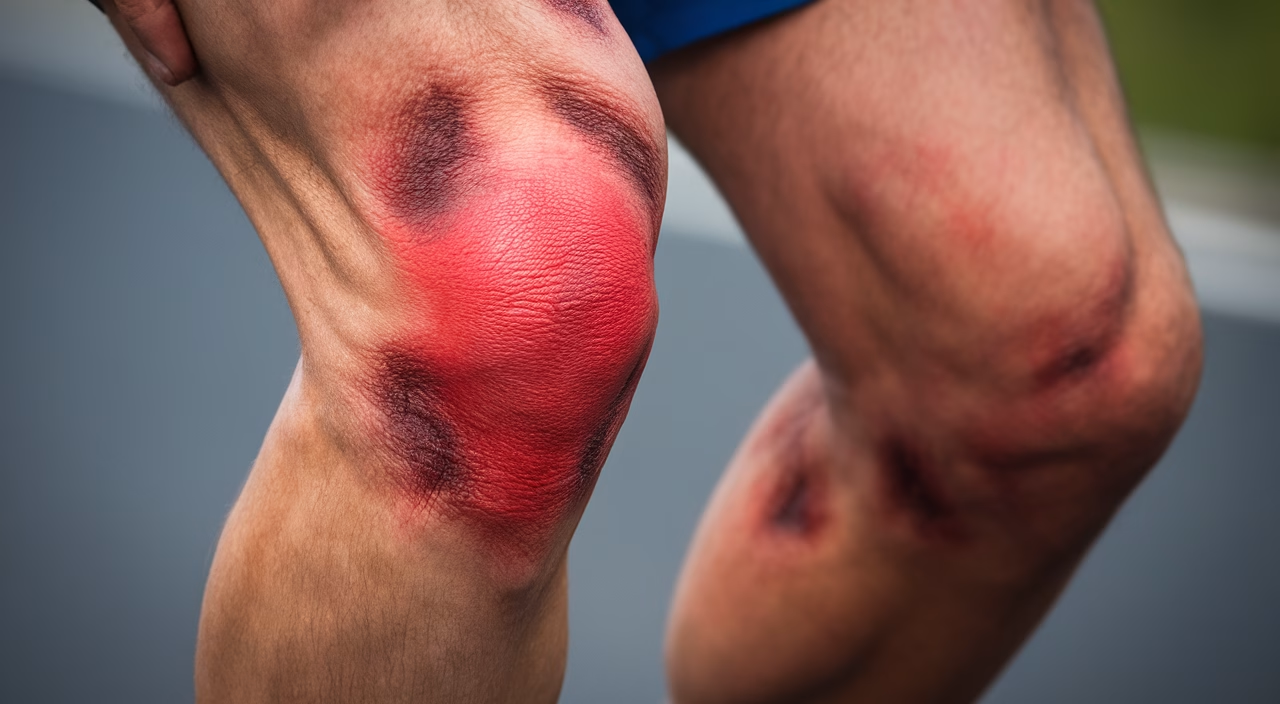
The Science Behind Knee Impact
Your foot strike technique directly influences the magnitude and direction of forces hitting your knee joint. Heel strikers typically experience peak impact loads that are 2-3 times higher than midfoot strikers, with most stress concentrated on the patellofemoral joint. This excessive loading can lead to runner’s knee, IT band syndrome, and other common running injuries.
Midfoot and forefoot strikers distribute these impact loads more effectively, reducing peak forces while maintaining efficient energy transfer. This explains why many runners experience immediate relief from knee pain when transitioning to a midfoot strike technique.
Practical Tips for Transitioning Foot Strike Techniques
Changing your foot strike technique requires patience and systematic progression. Rushing this transition can lead to injury and setbacks in your running performance.
Your Step-by-Step Transition Plan
Start by incorporating 5-10 minutes of your new foot strike technique during easy runs. Focus on landing with your foot beneath your center of gravity rather than ahead of your body. Gradually increase the duration over 4-6 weeks, allowing your muscles and tendons to adapt to the new movement pattern.
Strengthen your feet, calves, and glutes with targeted exercises. Consider working with a coach or getting professional gait analysis to ensure you’re making positive changes to your running biomechanics.
Final Thoughts
Mastering your foot strike technique is a journey that can dramatically improve your running performance while reducing injury risk. While midfoot striking offers the best balance of efficiency and knee protection for most runners, the optimal technique depends on your individual biomechanics, running goals, and physical characteristics. Listen to your body, make gradual changes, and don’t hesitate to seek professional guidance for gait analysis and technique refinement.
Frequently Asked Questions
- What are the best running shoes for midfoot strike? Look for shoes with flexible midsoles, moderate heel drop (4-8mm), and responsive cushioning. The best running shoes will complement your natural foot strike pattern and feel comfortable from day one.
- How does heel strike affect running performance? Heel striking creates higher impact loads on your knee and patellofemoral joint, leading to increased injury risk and reduced running efficiency due to braking forces.
- Is midfoot strike suitable for all runners? While midfoot strike reduces impact loads and improves running biomechanics for most people, individual factors like anatomy, strength, and running history should guide your foot strike technique choice.