
How does the aging process impact sleep characteristics in older adults?
The aging process significantly impacts sleep characteristics, altering sleep timing, reducing nocturnal sleep duration, and increasing the frequency of sleep disturbances in older adults.
As we age, it’s natural to experience changes in sleep patterns. Understanding how aging and sleep interact is crucial for maintaining your health and well-being. This article explores effective sleep strategies for seniors, offering practical insights to help you manage sleep changes successfully.
- Understanding Sleep Changes: Explore how the aging process affects sleep, including changes in sleep timing and nocturnal sleep duration.
- Identifying Common Disturbances: Understand sleep disturbances prevalent in older adults and factors contributing to them.
- Practical Solutions: Learn effective sleep strategies for seniors to improve sleep quality, manage daytime naps, and establish healthy sleep routines.
- Personalized Tips: Practical tips and real-life examples to manage sleep changes in older adults more effectively.
Sleep and Aging: Understanding the Relationship
Aging and sleep undergo significant transformations as you progress in years, often leading to nighttime restlessness or daytime fatigue. As healthcare professionals, we’ve observed that understanding these changes can make managing sleep changes in older adults much smoother. 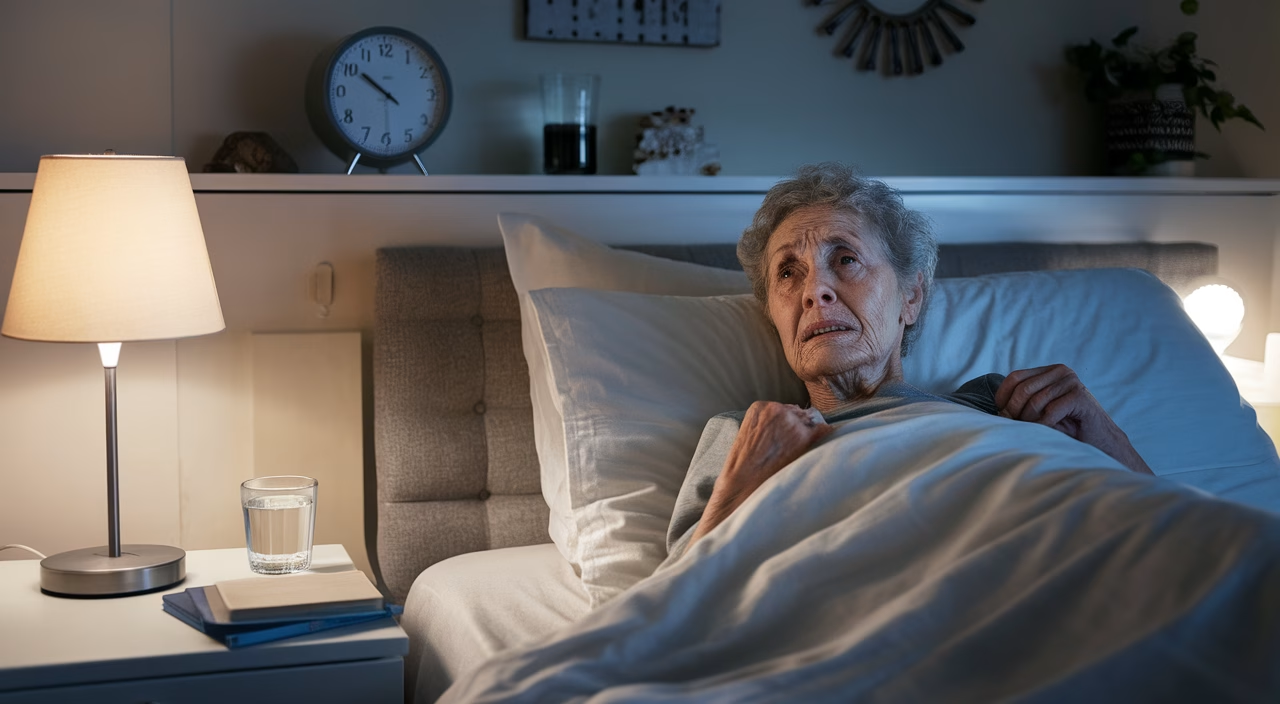
The Aging Process and Sleep Changes
During the aging process, sleep timing often shifts dramatically. Many seniors find themselves nodding off earlier in the evening and waking before dawn. Your body’s internal clock, or circadian rhythm, gradually adjusts with age, influencing sleep patterns noticeably. This shift may lead to shorter nocturnal sleep duration and an increased tendency towards daytime naps. While you’ll notice a decrease in deep, restorative sleep, achieving overall restful sleep is still possible with the right effective sleep strategies for seniors.
Common Sleep Disturbances in Older Adults
Sleep disturbances in older adults commonly include insomnia, sleep apnea, and restless leg syndrome. These issues can be disruptive, but understanding the underlying causes—ranging from medical conditions to lifestyle changes—can help you manage them effectively. Adopting a consistent sleep schedule, creating a comfortable sleeping environment, and addressing potential sleep disorders can substantially improve your sleep quality and overall well-being.
Practical Tips for Improving Sleep Quality
Effective sleep strategies for seniors often involve making targeted lifestyle modifications. Regular exercise, even moderate activities like walking, can significantly help improve your sleep quality. Moreover, managing stress through relaxation techniques, ensuring a consistent sleep schedule, and creating a conducive sleep environment can aid substantially in managing sleep changes in older adults. We recommend seeking medical advice to address any underlying health conditions contributing to sleep disturbances.
Managing Daytime Naps in Seniors
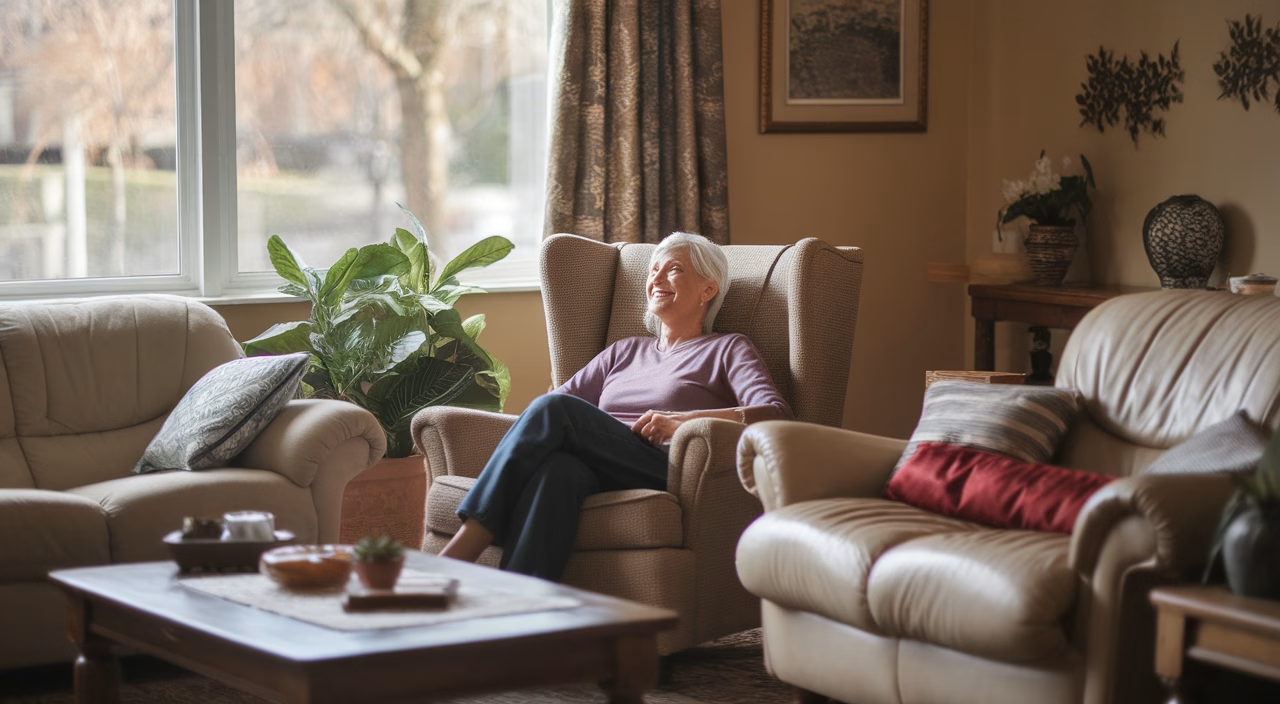
Managing daytime naps in older adults requires finding the right balance between rest and nighttime sleep quality. Short, scheduled naps can rejuvenate your energy levels, but long or late-day naps may disrupt nocturnal sleep patterns. The key is timing and duration—we recommend aiming for a mid-afternoon nap no longer than 20 to 30 minutes to prevent interference with nighttime rest. Establishing a routine that includes regular physical activity and exposure to natural light can help regulate your sleep patterns effectively while supporting healthy aging and sleep habits.
Final Thoughts and FAQs
Understanding and managing sleep changes in older adults is crucial for maintaining your overall health and quality of life. By implementing these effective sleep strategies for seniors and seeking professional advice when necessary, you can achieve better sleep and enhanced daily well-being.
Frequently Asked Questions
- What causes sleep disturbances in older adults? Sleep disturbances in older adults are often caused by changes in the aging process, medical conditions, or medications.
- How can older adults improve sleep quality? Improving sleep quality can be achieved by adopting good sleep hygiene, creating a comfortable sleep environment, and addressing any underlying health issues.
- Are daytime naps beneficial for seniors? Daytime naps can be beneficial if kept short and taken at appropriate times to avoid disturbing nocturnal sleep patterns.