What Causes Muscle Twitches and Spasms—and How Can You Stop Them Naturally?
Muscle twitches and spasms often seem to come out of nowhere. One moment you’re relaxed, and the next, your eyelid flickers or your calf jumps unexpectedly. These sensations might feel trivial at first, but persistent or bothersome twitching can raise concerns about your health. As a neurologist, I often hear worries about these jolts—is it stress? Caffeine? Something more serious like early ALS twitches?
In most cases, muscle twitching is harmless and manageable. But understanding the underlying causes of muscle twitches is crucial—so is knowing how to minimize them naturally using proven methods. Let’s dive into the root causes and effective solutions.
TL;DR – Key Takeaways
- Muscle twitches and spasms are involuntary muscle contractions often caused by stress, fatigue, or electrolyte imbalance.
- Stress-induced muscle twitches are among the most common forms and are linked to nervous system overstimulation.
- Triggers include caffeine, dehydration, and overuse injuries, but some cases may signal neurological disorders such as ALS.
- Natural remedies like magnesium-rich foods, adequate hydration, and relaxation techniques help reduce symptoms.
- Persistent spasms should be evaluated by a medical professional, especially if accompanied by weakness or muscle wasting.
Common Causes of Muscle Twitches
Let’s begin by understanding the causes of muscle twitches. Think of your muscles like orchestra players—the nerves are the conductors. When a nerve misfires, that ‘musician’ might start playing solo without prompt. Here’s what’s causing those uninvited muscle contractions:
Stress-Induced Twitching
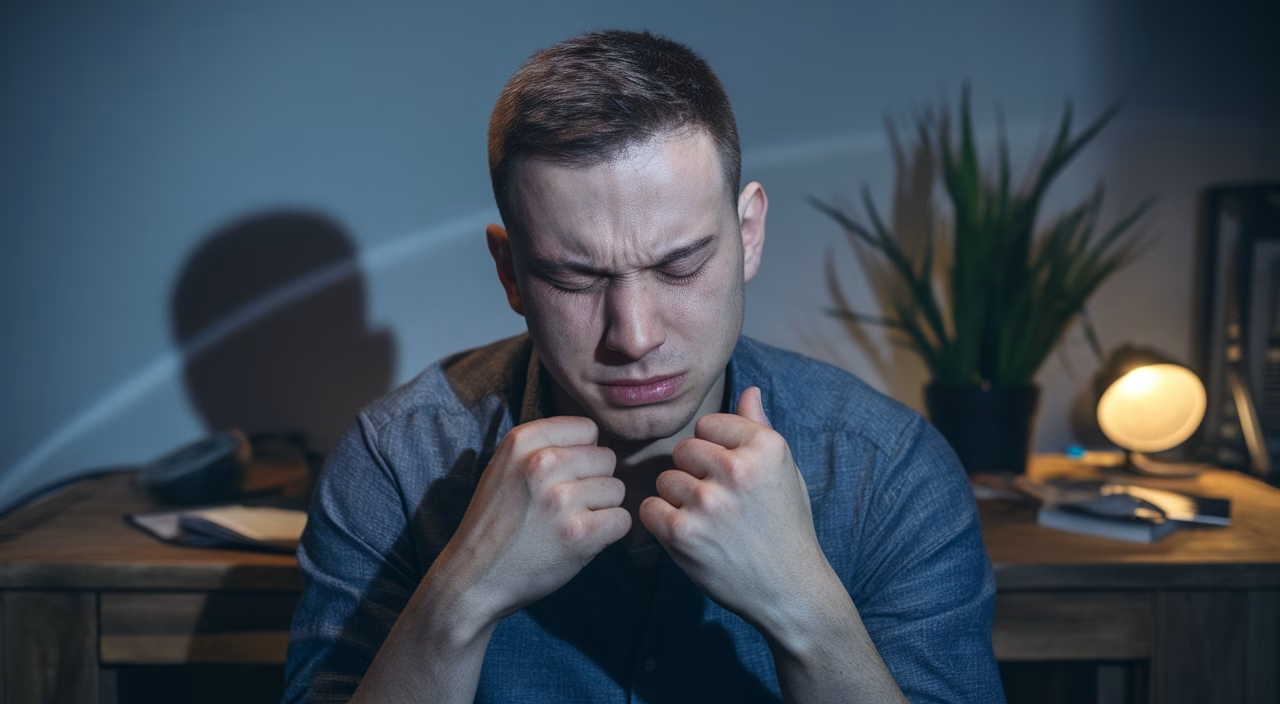
Stress-induced muscle twitches occur when your central nervous system becomes overcharged. Stress triggers a cascade of neurochemical reactions that overstimulate your motor neurons. Many patients report that their muscle twitching worsens during high-pressure exams, deadlines, or emotionally intense periods.
How to manage: Deep breathing exercises, progressive muscle relaxation, and mindfulness-based stress reduction can reduce nerve excitability and bring calm to your body. Even a 10-minute walk outdoors can help reset your nervous system and reduce muscle twitching triggers.
Lack of Sleep as a Trigger
Sleep isn’t just about rest—it’s when your brain recalibrates the electrical circuits that control your muscles. Poor sleep or irregular patterns disrupt neurochemical signaling, which can lead to twitching, especially in facial or limb muscles.
Recommendation: Aim for 7-9 hours of quality sleep. Reduce blue light exposure in the evenings and maintain consistent sleep and wake times—even on weekends. This simple change can significantly reduce muscle spasms.
Understanding Muscle Spasms
Unlike twitches, muscle spasms are sustained, often painful contractions. They can wake you up at night with a forceful calf cramp or seize your thigh mid-exercise. What are the main muscle spasm triggers?
- Electrolyte Imbalance: Low levels of potassium, magnesium, or calcium disrupt muscle function.
- Dehydration: Muscles need fluids to conduct electric signals properly; lose too much water, and they misfire.
- Overexertion: Pushing through fatigue causes injury micro-trauma, which can result in reactive spasming.
Identifying Early ALS Twitches
One common fear patients express when experiencing persistent twitching is: could this be early ALS twitches? While twitching is a hallmark symptom, early ALS is relatively rare and includes other warning signs:
- Progressive muscle weakness
- Muscle atrophy (shrinking)
- Difficulty with speech or swallowing
In ALS, twitches are often localized and consistent in one area. If your twitching is random, fleeting, and not paired with motor weakness or loss of dexterity, it’s likely benign. Still, if symptoms persist for weeks, it’s important to consult a neurologist, who may perform EMG testing if needed.
Managing Muscle Twitching Triggers
Preventing twitches at their source is always more effective than treating muscle twitches at home after they occur. Here are some easily overlooked muscle twitching triggers and proven ways to minimize them:
Caffeine and Muscle Twitching
Caffeine and muscle twitching are closely linked. Caffeine stimulates the central nervous system, and while it boosts alertness, excessive intake (more than 3 cups of coffee daily) can cause restlessness and muscle contractions. People with low magnesium levels may be especially sensitive to caffeine-induced twitching.
Try this: Cut back on energy drinks and coffee after midday. Experiment with herbal teas or water with lemon as alternatives to reduce this common trigger.
Electrolyte and Nutrient Deficiencies
A balanced intake of calcium, magnesium, and potassium supports proper neuromuscular transmission. B-vitamin deficiencies, especially B1, B6, and B12, can also impact nerve health and increase muscle twitching.
Include: Bananas, almonds, leafy greens, pumpkin seeds, and fortified cereals in your daily meals to prevent deficiency-related muscle spasms.
Hydration Habits
| Hydration Level | Muscle Twitch Risk | Recommended Action |
|---|---|---|
| Low (dehydrated) | High | Drink 8-10 glasses of water daily |
| Moderate | Medium risk | Add electrolytes after physical activity |
| Optimal | Low | Maintain steady fluid intake |
Natural Remedies for Muscle Twitching

Here are proven natural remedies for muscle twitching—simple, evidence-supported approaches you can implement for treating muscle twitches at home:
- Magnesium Bath Soaks: Add Epsom salts to warm water to help relax overactive muscles and reduce spasm frequency.
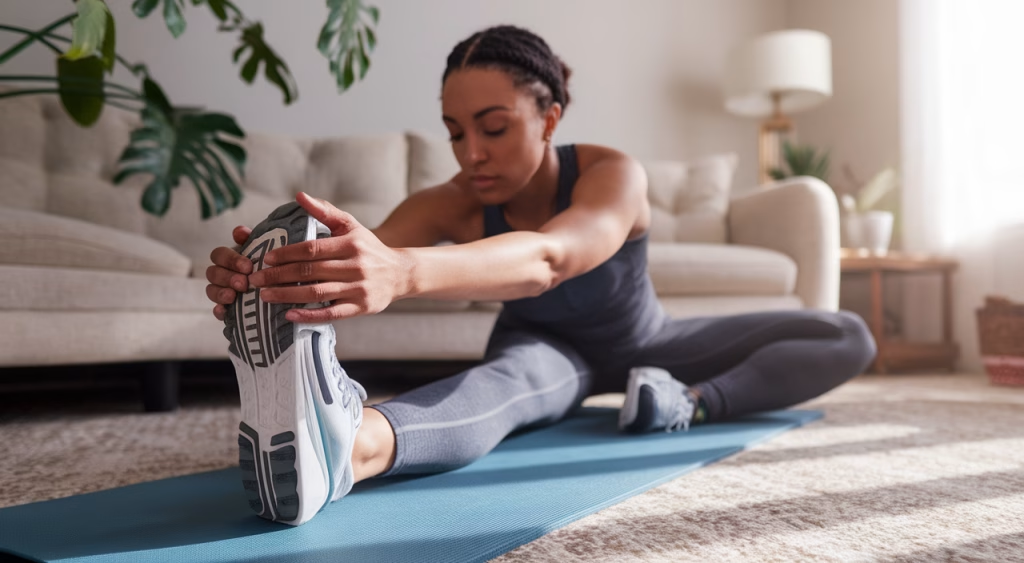
- Stretching and Foam Rolling: Focus on soft tissue release for calves, hamstrings, and back muscles to prevent muscle spasm triggers.
- Chamomile Tea: Contains flavonoids that may have muscle-relaxant properties and help with stress-induced muscle twitches.
- Nutrition First: Whole foods high in potassium (like sweet potatoes), omega-3s, and B-vitamins restore nerve function naturally.
- Reducing Digital Overload: Eye twitching? Reduce screen glare and take breaks every 20 minutes to prevent eye muscle fatigue.
Persistent Muscle Spasm Treatments
If you experience frequent, painful, or night-time spasms, try these persistent muscle spasm treatments:
- Regular yoga or Tai Chi—supports muscular coordination and relaxation while addressing stress-induced muscle twitches
- Topical magnesium sprays or creams for localized muscle twitching episodes
- Hydrate with low-sugar electrolyte beverages post-exercise to prevent muscle spasm triggers
Cost Guide: Managing Muscle Twitches at Home
| Treatment Option | Low-End | Mid-Range | High-End |
|---|---|---|---|
| Magnesium Supplements | $8 | $15 | $30 |
| Foam Roller/Yoga Mat | $10 | $25 | $75 |
| Topical Remedies | $5 | $12 | $40 |
| Professional Massage | $30/session | – | $100+/session |
Final Thoughts
Most muscle twitches and spasms are harmless, temporary, and respond well to natural remedies and lifestyle changes. But when they persist or develop into more concerning symptoms, it’s essential to investigate further. From stress-induced muscle twitches to caffeine and muscle twitching connections, understanding your body’s signals is the first step toward lasting relief. Empower yourself with these natural remedies for muscle twitching—and don’t hesitate to seek neurological evaluation if something doesn’t feel right. Your muscles might just be the messengers you need to start listening to.
Frequently Asked Questions
- What do early ALS twitches feel like? They’re usually consistent in one location and accompanied by weakness or muscle loss.
- Can anxiety cause muscle twitches? Yes, stress and anxiety increase nerve excitability, often resulting in twitching.
- Is eye twitching a muscle spasm? Yes, it’s a localized spasm of the muscles around the eye, often due to fatigue or screen strain.
- Should I be worried about muscle twitches at night? If occasional and without weakness, they’re usually benign. Persistent ones may require evaluation.
- How can I stop muscle spasms quickly? Hydrating, stretching, and applying heat or magnesium can help soothe spasms.
- Do vitamin deficiencies cause muscle twitches? Yes—low B-complex, magnesium, or calcium levels are common culprits.
- When should I see a doctor? If twitches last more than two weeks, affect movement, or come with weakness or pain.