How does poor posture affect your health and digestion?
Poor posture effects on health extend far beyond the occasional backache—they’re silently wreaking havoc on your digestive system. When you slouch, you’re not just affecting your spine; you’re compressing vital organs and disrupting the natural flow of your digestive processes. This digestion problems posture impact creates a cascade of health issues that many people never connect to their posture.
TL;DR Summary
- Poor posture effects on health include back pain, reduced circulation, compressed organs, and sluggish digestion.
- Slouching after meals can cause bloating, acid reflux, and slow nutrient absorption.
- Proper posture supports your stomach and intestines, easing digestive flow and reducing heartburn risk.
- Long-term health risks of slouching range from chronic fatigue to joint degeneration and organ dysfunction.
- Improving posture for well-being involves habit shifts, body awareness, and strengthening your core and back muscles.
The Connection Between Poor Posture and Digestive Health
Understanding How Posture Impacts Digestion

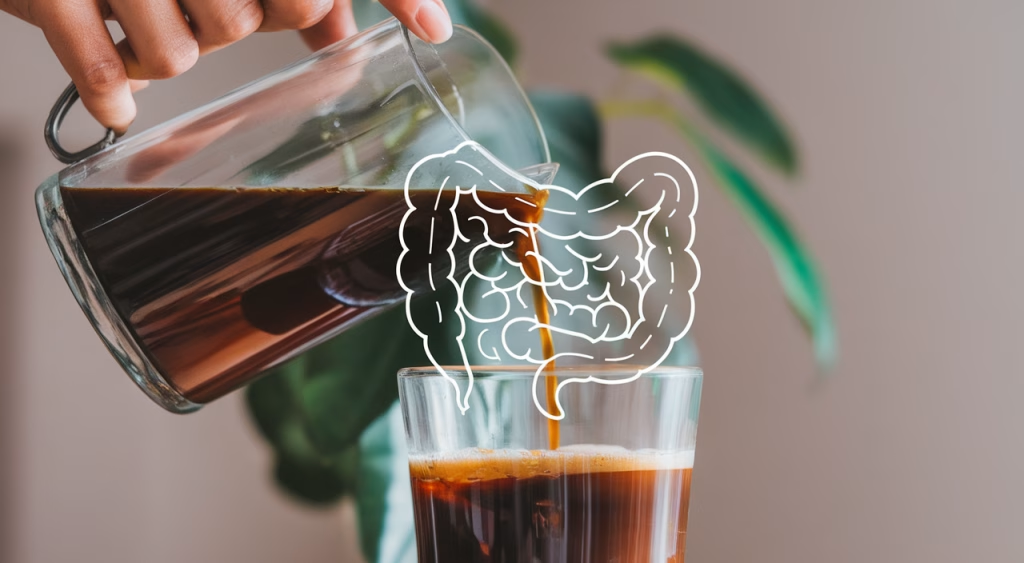
The digestion problems posture impact creates are more severe than most people realize. When you slouch, you’re essentially crimping your digestive highway—compressing your stomach, intestines, and diaphragm into unnatural positions. This compression slows down peristalsis (the wave-like muscle contractions that move food through your system) and can trap gas, leading to bloating and discomfort.
Here’s what happens inside your body: poor posture effects on health include reduced space for your organs to function properly. Your stomach gets squeezed, gastric juices don’t flow as they should, and food sits longer than it should in your digestive tract. This creates the perfect storm for indigestion, gas, and that heavy feeling after meals.
Tips for Maintaining Good Posture After Meals
Improving posture for well-being starts with simple changes after you eat. The key is maintaining an upright position that gives your digestive organs the space they need to work efficiently. Think of it as creating an optimal environment for your body’s natural processes.
| Posture Tip | Benefit |
|---|---|
| Sit upright for 20–30 minutes post-meal | Helps prevent acid reflux & aids digestion |
| Use a lumbar cushion | Supports spine & encourages proper alignment |
| Walk gently after eating | Stimulates gut movement for better digestion |
The Surprising Effects of Poor Posture on Heartburn
Exploring the Link Between Slouching and Acid Reflux
Want to know how to prevent heartburn with good posture? It starts with understanding that slouching creates the perfect conditions for acid reflux. When you hunch forward, you’re putting direct pressure on your stomach, forcing digestive acids upward into your esophagus. The digestion problems posture impact includes compromising your lower esophageal sphincter—the muscle that’s supposed to keep stomach acid where it belongs.
Many people blame their heartburn on spicy foods or stress, but poor posture effects on health often include chronic acid reflux. When your torso is collapsed forward, gravity can’t help keep stomach contents down, and the compressed position weakens your body’s natural barriers against reflux.
Strategies to Prevent Heartburn Through Posture
Learning how to prevent heartburn with good posture is simpler than you might think. The key is creating and maintaining space for your digestive organs to function properly:
- Sit tall with your shoulders directly over your hips—this reduces abdominal compression
- Keep your feet flat on the floor to maintain proper spinal alignment
- Use cushions or pillows to support your natural spine curve when lounging
- Avoid lying down flat for at least 2-3 hours after eating
These simple adjustments for improving posture for well-being can dramatically reduce your heartburn episodes. When your digestive tract has proper space and alignment, your body can do what it does best naturally.
Posture’s Influence on Overall Health
Examining the Long-Term Health Risks of Poor Posture
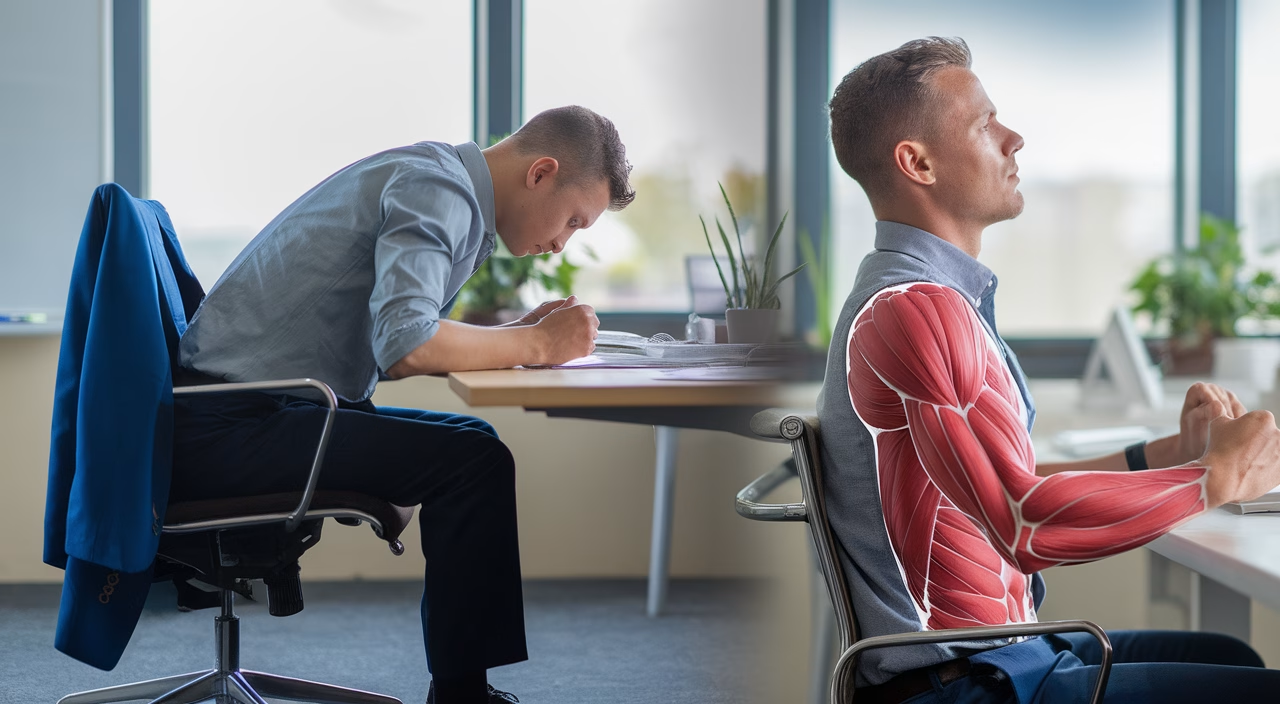
The long-term health risks of slouching extend far beyond occasional discomfort. When poor posture becomes your default position, you’re setting yourself up for chronic health issues that compound over time. These poor posture effects on health include:
- Chronic digestive disorders from persistent organ compression
- Decreased lung capacity and shallow breathing patterns
- Reduced blood circulation affecting nutrient delivery
- Increased inflammation from mechanical stress on tissues
- Accelerated joint wear and spinal degeneration
The digestion problems posture impact becomes more pronounced over years of slouching. Your body adapts to these compressed positions, making it harder to achieve proper alignment and optimal organ function. This creates a cycle where poor posture leads to decreased energy, which makes maintaining good posture even more challenging.
Improving Posture for Better Well-Being
Improving posture for well-being requires a multi-faceted approach that addresses both strength and awareness. The good news is that your body responds quickly to positive changes when you’re consistent with your efforts:
- Build core stability: Strong abdominal and back muscles are essential for maintaining proper alignment throughout the day
- Create ergonomic environments: Adjust your workspace, car seat, and home furniture to support good posture naturally
- Practice posture breaks: Set regular reminders to check and reset your alignment every 30-60 minutes
- Stretch tight areas: Focus on hip flexors, chest muscles, and upper traps that commonly tighten from slouching
Remember, the goal isn’t perfection—it’s progress. Small, consistent improvements in your posture habits can significantly reduce the long-term health risks of slouching and help you feel more energetic and comfortable in your body.
FAQs About Poor Posture and Health
- Can poor posture really cause digestive issues?
Yes. Poor posture compresses your digestive organs, slowing digestion and increasing bloating or reflux. - How long does it take to fix posture?
It varies, but with daily awareness and strengthening, many people see improvements within weeks. - Does posture affect energy levels?
Absolutely. Slouching can fatigue muscles and restrict breathing, leading to decreased oxygen and energy. - What’s the best position after eating?
Sitting upright with a relaxed spine and feet flat on the ground is best. - Is walking helpful after meals?
Yes, gentle walking enhances peristalsis (gut movement) and supports digestion. - Can poor posture lead to nutrient malabsorption?
In indirect ways, yes—sluggish digestion can compromise how well your body breaks down food. - What tools support better posture?
Lumbar rolls, standing desks, posture-cue apps, and ergonomic chairs are helpful aids.