
What Are the Main Halitosis Causes You Need to Know?
Understanding halitosis causes is crucial for effective treatment. Bad breath primarily stems from poor oral hygiene, bacterial buildup, dry mouth, and certain foods—but it can also signal underlying health conditions linked to bad breath like gum disease, diabetes, or kidney problems. Identifying what’s behind your mouth odor is the first step toward lasting fresh breath.
- ✅ Poor dental hygiene: Inadequate brushing or flossing leaves food particles that feed bacteria.
- ✅ Dry mouth: Reduced saliva allows odor-causing bacteria to multiply rapidly.
- ✅ Medical conditions: Sinus infections, acid reflux, and diabetes are common halitosis causes.
- ✅ Lifestyle habits: Smoking and alcohol significantly worsen mouth odor.
TL;DR: Proven Bad Breath Remedies for All-Day Fresh Breath
- 🦷 Master oral hygiene: Brush twice daily, floss, and clean your tongue—essential oral hygiene tips for fresh breath.
- 💧 Stay hydrated: Water combats dry mouth, one of the top halitosis causes.
- 🍃 Use antibacterial mouthwash: Choose alcohol-free formulas that target bad breath bacteria.
- 🥦 Watch your diet: Limit garlic, onions, and other foods that contribute to mouth odor.
- 👨⚕️ See a professional: Persistent bad breath often indicates health conditions linked to bad breath.
Understanding Halitosis: Why Bad Breath Happens
Primary Halitosis Causes
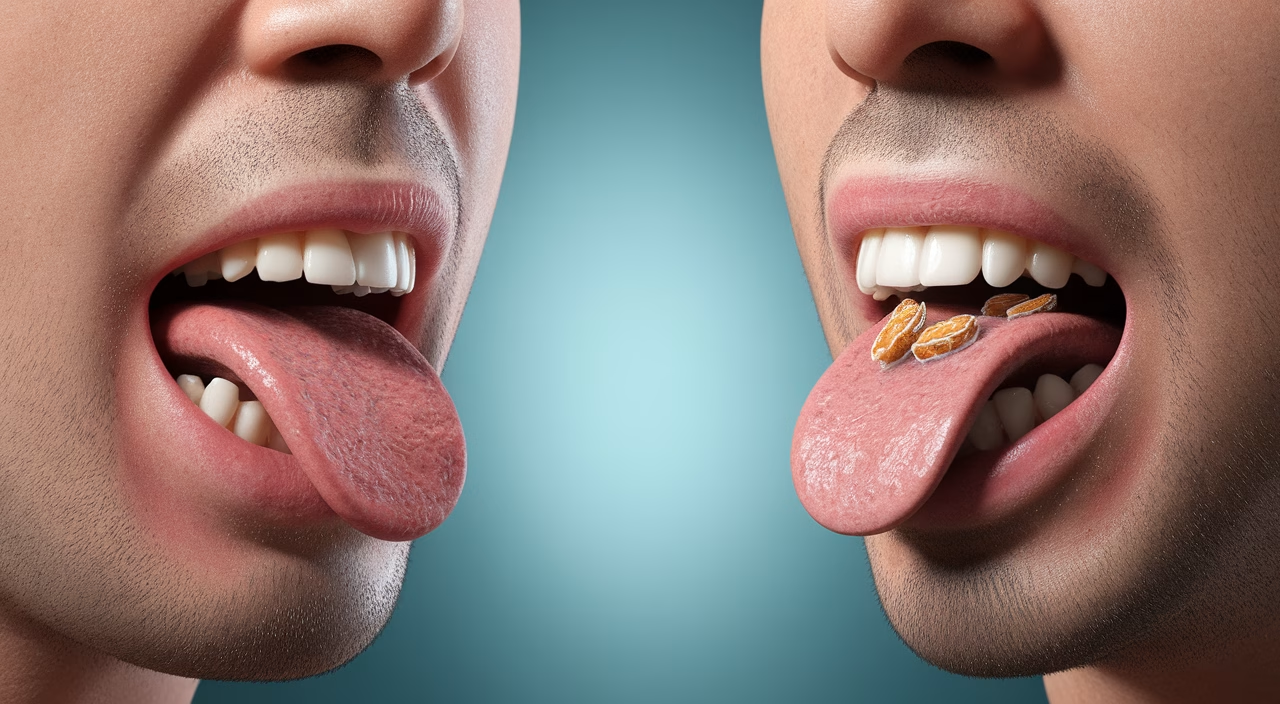
Most halitosis cases originate in your mouth, particularly on your tongue, gums, and between teeth. Here are the key halitosis causes you should understand:
- Bacterial Buildup: Food particles feed bacteria that produce sulfur compounds, creating that distinctive bad breath smell.
- Inadequate Oral Hygiene: Skipping proper brushing, flossing, or dental cleanings allows harmful bacteria to thrive.
- Dry Mouth (Xerostomia): When saliva production decreases, bacteria multiply unchecked—a major contributor to mouth odor.
- Dietary Factors: Garlic, onions, coffee, and certain spices contain compounds that linger and cause bad breath.
- Tobacco Use: Smoking and chewing tobacco dry your mouth while adding their own unpleasant odors.
Health Conditions Linked to Bad Breath
Sometimes, persistent bad breath indicates deeper health issues. These health conditions linked to bad breath require professional attention:
- Gum Disease (Periodontitis): Bacterial infections below the gumline create persistent mouth odor that standard brushing can’t eliminate.
- Sinus & Respiratory Infections: Mucus buildup and postnasal drip provide food sources for odor-producing bacteria.
- Diabetes: Uncontrolled blood sugar levels can cause a distinctive fruity or acetone-like breath odor.
- Digestive Issues: GERD (acid reflux) brings stomach acid into the mouth, causing sour-smelling breath.
- Liver/Kidney Problems: Advanced organ dysfunction can release chemicals that affect breath quality.
How to Prevent Halitosis: Your Action Plan
Essential Oral Hygiene Tips for Fresh Breath
These proven oral hygiene tips for fresh breath form the foundation of halitosis prevention and help eliminate common bad breath causes:
- Brush thoroughly twice daily: Use fluoride toothpaste and spend at least two minutes cleaning teeth and tongue—bacteria love to hide on tongue surfaces.
- Floss daily without exception: Remove trapped food particles between teeth that your toothbrush can’t reach.
- Use antibacterial mouthwash: Choose alcohol-free formulas that target the bacteria causing mouth odor.
- Replace your toothbrush regularly: Worn bristles can’t effectively remove bacteria. Change every 2–3 months.
- Schedule regular dental cleanings: Professional cleanings remove tartar buildup and catch early signs of gum disease.
Lifestyle Bad Breath Remedies That Work
Beyond basic oral hygiene, these lifestyle changes serve as powerful bad breath remedies:
- Increase water intake: Proper hydration prevents dry mouth and helps wash away food particles and bacteria.
- Limit problematic foods: Reduce consumption of garlic, onions, and strongly spiced foods when fresh breath matters.
- Eliminate tobacco products: Quitting smoking or chewing tobacco immediately improves breath quality and oral health.
- Chew sugar-free gum: Stimulates saliva production while physically removing bacteria from teeth surfaces.
- Eat breath-friendly foods: Fibrous fruits and vegetables like apples and carrots naturally clean teeth.
Effective Bad Breath Remedies and Treatments
Proven Treatment Options

When standard oral hygiene isn’t enough, these targeted bad breath remedies address specific halitosis causes:
| Remedy | How It Helps | Where to Get It |
|---|---|---|
| Tongue Scraper | Removes odor-causing bacterial coating from tongue surface | At-home tool |
| Antimicrobial Mouthwash | Kills bacteria and neutralizes sulfur compounds causing mouth odor | Over-the-counter |
| Professional Deep Cleaning | Removes tartar buildup below gumline that harbors bacteria | Dental clinic |
| Probiotic Supplements | Restores healthy oral bacteria balance to combat halitosis causes | Natural/health stores |
Cost Guide: Halitosis Treatment Options
| Treatment | Low-End | Mid-Range | High-End |
|---|---|---|---|
| Mouthwash (monthly) | $4 | $10 | $30+ |
| Tongue Scraper | $3 | $10 | $25 |
| Dental Cleaning | $80 | $150 | $250+ |
| Specialist Consultation | $100 | $200 | $500+ |
When to Seek Professional Help for Halitosis
If bad breath remedies aren’t working, it’s time to investigate potential health conditions linked to bad breath. Consult a healthcare professional if you experience:
- Persistent bad breath despite consistent oral hygiene and lifestyle changes
- Bleeding, swollen, or tender gums indicating possible gum disease
- Chronic dry mouth even with adequate hydration
- Additional symptoms like acid reflux, sinus congestion, or metallic taste
Early intervention can identify and treat underlying health conditions linked to bad breath, leading to more effective halitosis treatment and restored confidence.
Take Control: Your Path to Lasting Fresh Breath
Halitosis doesn’t have to limit your social interactions or damage your confidence. By understanding the common halitosis causes, implementing proven bad breath remedies, and following consistent oral hygiene tips for fresh breath, you can eliminate mouth odor permanently. Whether your bad breath is occasional or chronic, the right combination of daily habits, lifestyle adjustments, and professional care when needed will help you achieve the fresh breath confidence you deserve. Remember, addressing halitosis is about more than just masking odors—it’s about creating lasting oral health that supports your overall well-being.
Frequently Asked Questions
1. Can certain foods permanently cause bad breath?
No food causes permanent bad breath, but some—like garlic and onions—contain sulfur compounds that linger longer. Avoiding them before social events can help.
2. How do I know if my halitosis is caused by a health issue?
If bad breath persists despite solid oral hygiene and there are additional symptoms (like bleeding gums or digestive issues), consult a dental or medical provider.
3. Does mouthwash really help with halitosis?
Yes, but only as part of a larger routine. Antibacterial mouthwashes reduce bacteria temporarily but aren’t a one-stop fix.
4. Is it normal to have morning breath?
Yes. Saliva production slows during sleep, allowing bacteria to build up. A morning brush typically clears it.
5. Can tonsil stones cause bad breath?
Absolutely. Tonsil stones trap bacteria and dead cells, releasing foul odors.
6. Does flossing really make that much of a difference?
Yes! Food debris between teeth becomes a breeding ground for odor-causing bacteria. Flossing helps break that cycle.