
What’s the Best Desk Height to Prevent Shoulder Pain?
When your desk height is wrong, you’re setting yourself up for shoulder pain, trapezius muscle strain, and chronic discomfort. The ideal desk height keeps your shoulders relaxed while your forearms rest parallel to the floor—no hunching, lifting, or straining required.
- TL;DR: If your shoulders ache after work, your desk height might be the cause.
- Ideal Desk Height: 28–30 inches for an average-height adult, but adjustable desks are best.
- Solve It: Adjust chair and desk to keep elbows at 90 degrees, wrists neutral, and monitors eye-level.
- Why It Matters: Correct height reduces trapezius muscle strain and improves long-term shoulder comfort.
How Desk Height Affects Shoulder Pain
Most of us never considered how desk height impacts our bodies when we first set up our workspace. But here’s the reality: even small variations in height create significant shoulder pain over time. The connection between shoulder pain and desk height comes down to one critical factor—posture.
When your desk sits too high, your shoulders automatically lift toward your ears to reach the keyboard and mouse. This constant elevation triggers tension in your upper trapezius muscles—that tight, knotty area where your neck meets your shoulders. Over weeks and months, this leads to persistent shoulder pain, reduced mobility, and chronic discomfort.
On the flip side, if your desk height forces you to reach downward, you’ll naturally lean forward and round your shoulders. This forward head posture strains your deltoids and creates tightness across your chest while weakening the muscles between your shoulder blades. Common shoulder pain causes from incorrect desk height include:
- Repetitive shoulder elevation to reach keyboard and mouse
- Lack of proper forearm support leading to shoulder fatigue
- Forward head posture from screen or chair misalignment
Correcting Desk Height for Shoulder Pain Relief
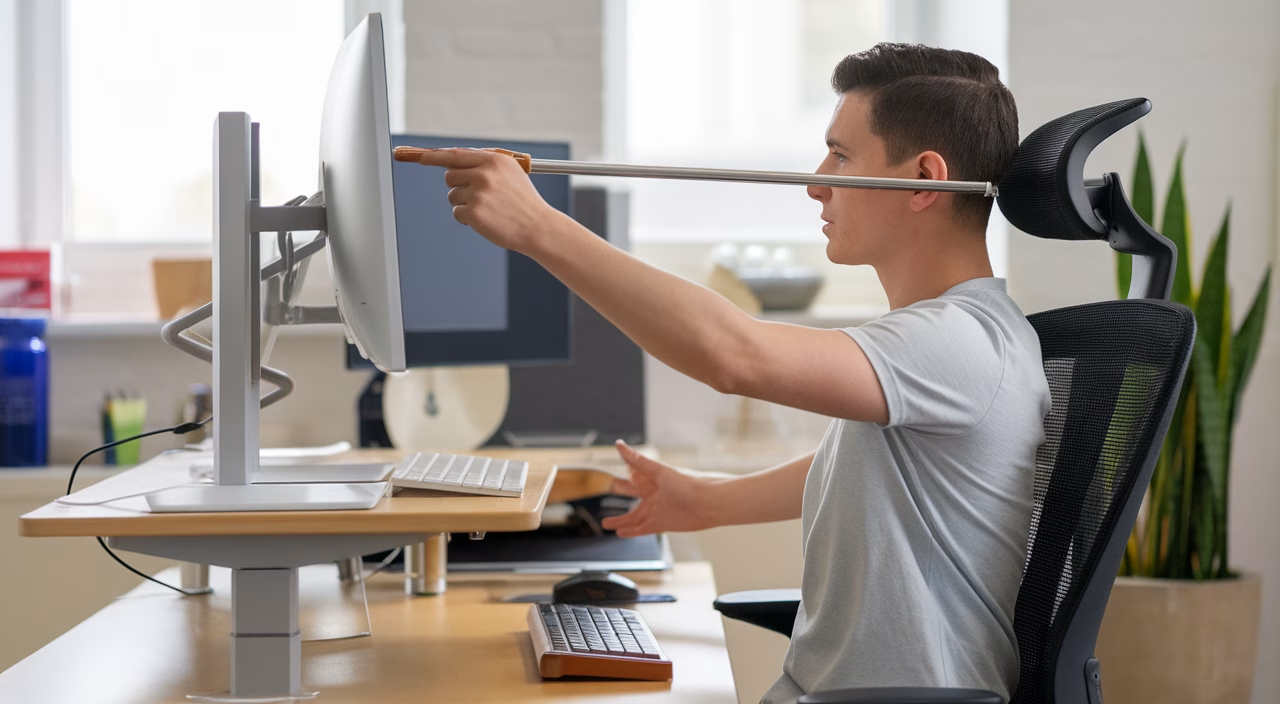
Achieving shoulder pain relief starts with positioning your desk height so your arms, neck, and shoulders remain in a neutral, supported position throughout your workday. Here’s your step-by-step approach to proper ergonomic desk setup:
- Adjust your chair first—set the height so your feet rest flat on the floor with thighs parallel to the ground.
- Test your arm position—place your hands on the keyboard; your elbows should form a 90-100° angle.
- Check your shoulders—they should feel relaxed and level, not hunched or elevated.
- If your desk is too high—raise your chair and add a footrest to maintain proper leg positioning.
- If your desk is too low—raise the desk surface or install an adjustable keyboard tray.
Ergonomic Desk Setup for Shoulder Pain Relief
True shoulder pain relief requires more than just adjusting desk height. Your complete ergonomic desk setup must align every component—screen, mouse, keyboard, and chair—to support your natural posture and reduce muscle tension.
Adjusting Chair, Keyboard, and Monitor Heights
Each element of your workstation plays a crucial role in preventing shoulder pain. Here’s how to position everything correctly:
| Workstation Part | Placement Tips |
|---|---|
| Chair | Seat height so feet rest flat; lumbar support at the lower back |
| Desk | Elbows at or just below desk level while typing |
| Keyboard | Within shoulder width; wrists neutral (not bent) |
| Mouse | Same level as keyboard; within easy reach without pushing shoulder forward |
| Monitor | Top third of screen at eye level; directly in front at arm’s length |
If you’re experiencing persistent tension in your upper trapezius muscles, the problem often stems from your monitor being too low or your arms lacking proper support. Consider investing in an adjustable monitor arm or ergonomic keyboard tray—these simple changes can eliminate trapezius muscle strain almost immediately.
Exercises to Alleviate Shoulder Pain
Even with perfect desk height and ergonomic setup, you need targeted exercises to address existing shoulder pain and prevent future problems. Movement is medicine for desk-related shoulder issues.
Here are proven exercises to combat shoulder pain from desk work:
Stretches and Strengthening Exercises

- Shoulder Rolls: Inhale while lifting shoulders to your ears; exhale as you roll them back and down. Complete 10 slow repetitions.
- Doorway Chest Stretch: Place your forearms on a doorframe and lean forward gently to stretch tight chest muscles that contribute to forward shoulder posture.
- Upper Trap Stretch: Gently tilt your head to one side while using the opposite hand to apply light pressure, stretching the neck and shoulder connection.
- Wall Angels: Stand with your back flat against a wall and slide your arms up and down in a “snow angel” motion to strengthen your shoulder blade muscles.
- Resistance Band Rows: Pull your elbows back while squeezing your shoulder blades together. Start with 10-15 repetitions daily.
Preventing Shoulder Pain at Work
Prevention beats treatment every time—especially when it comes to shoulder pain from desk work. Smart workspace design and consistent habits will protect your shoulders for years to come.
Importance of Proper Desk Setup
Your ergonomic desk setup isn’t just about comfort—it’s your first line of defense against repetitive strain injuries and chronic shoulder pain. Poor ergonomics today becomes expensive treatment tomorrow.
Follow these essential strategies for preventing shoulder pain at work:
- Schedule movement breaks: Stand and stretch for 1–2 minutes every 30–45 minutes to reset your posture.
- Invest in ergonomic accessories: Wrist rests, forearm supports, and adjustable monitor arms support proper shoulder alignment.
- Keep essentials within reach: Avoid repetitive reaching across your desk, which strains shoulder muscles.
- Share ergonomic knowledge: Help colleagues understand proper desk setup—creating a healthier workplace benefits everyone.
Conclusion
Importance of Ergonomics for Shoulder Health
Your workspace should support your body, not fight against it. When you get your desk height right and create a truly ergonomic setup, you’re investing in pain-free productivity and long-term shoulder health. The connection between shoulder pain and desk height is real, but it’s completely within your control to fix.
Take a moment right now to assess your current setup. Are your shoulders relaxed? Is your desk working with your body or against it? These small adjustments today prevent big problems tomorrow.
Frequently Asked Questions
- What are signs that my desk height is causing shoulder pain?
Raised shoulders when typing, tension in upper traps, or tingling down arms may signal poor alignment due to desk height. - How can I quickly adjust my setup for less pain?
Start by sitting upright with relaxed shoulders, then adjust the chair and desk so your elbows are at a 90° angle with wrists flat. - Are standing desks better for shoulder pain?
They help when used correctly, especially paired with a monitor at eye level. Movement, not standing alone, brings relief. - Should I see a therapist for desk-related shoulder pain?
If pain persists, a physical therapist can tailor stretches, adjustments, and assess deeper posture-related concerns. - Can poor desk setup cause long-term damage?
Yes. Chronic poor posture can lead to repetitive strain injuries and nerve impingements. Correcting now prevents long-term harm. - Is trapezius muscle strain reversible?
Absolutely—with rest, proper setup, and movement-based recovery, this type of strain heals well.