
How do tight and weak calves affect foot health?
Tight and weak calves are among the leading causes of foot pain and dysfunction. When your calf muscles become tight or lose strength, they create a domino effect that directly impacts your foot structure, gait mechanics, and overall comfort. This muscle imbalance increases your risk of developing painful conditions like plantar fasciitis, Achilles tendonitis, and chronic heel pain.
TL;DR Summary:
- Tight calves pull excessively on foot structures, causing plantar fasciitis
- Weak calves provide inadequate support for proper foot biomechanics
- Targeted calf muscle flexibility exercises restore normal range of motion
- Calf muscle strengthening techniques build the foundation for healthy feet
The Importance of Calf Muscles
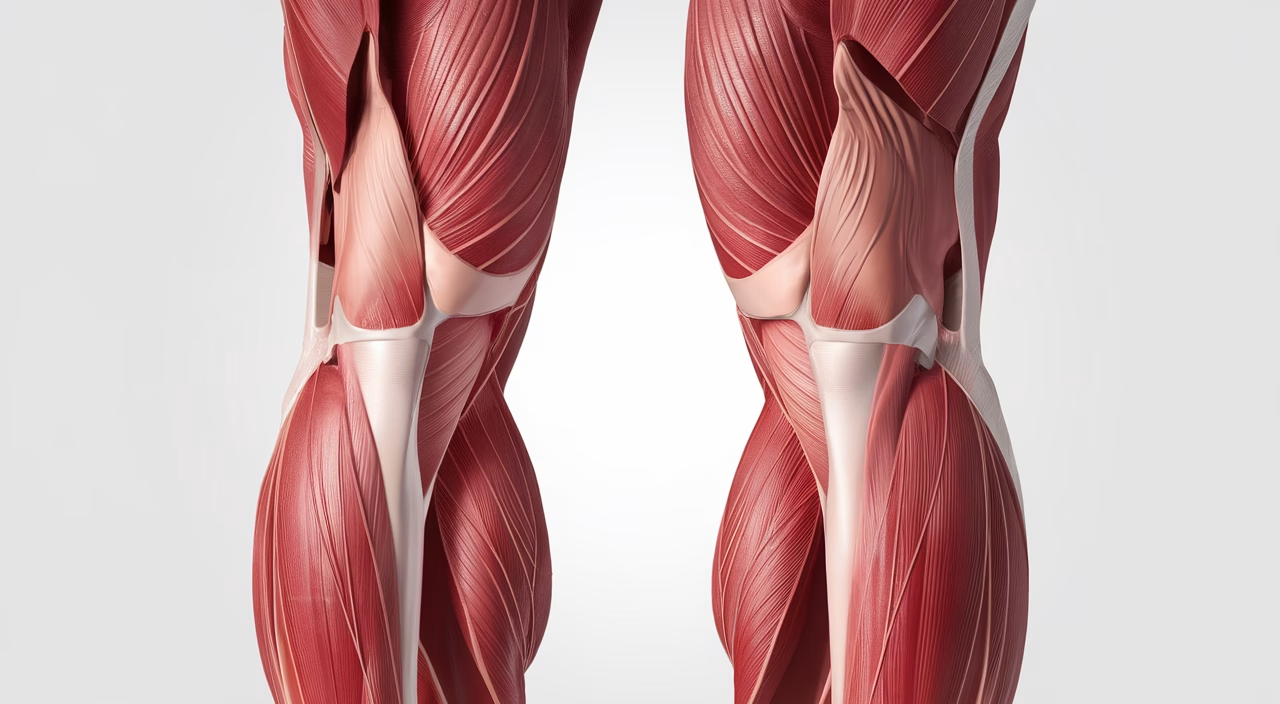
Your calf muscles—specifically the gastrocnemius and soleus—serve as the powerhouse behind every step you take. These muscles control ankle movement, absorb impact forces, and propel you forward during walking and running. Think of them as the shock absorbers and springs of your lower leg system.
When tight and weak calves compromise this system, your feet bear the brunt of the dysfunction. The resulting compensation patterns force your foot muscles to work overtime, leading to fatigue, inflammation, and eventual injury.
Understanding the Link to Foot Health
Have you ever wondered why your heels ache after a long day on your feet? The answer often lies in your calves. When calf muscle tightness restricts ankle mobility, it forces your foot to compensate by flattening or over-pronating. This altered foot position stretches the plantar fascia—the thick band of tissue supporting your arch—beyond its normal limits.
Meanwhile, weak calves fail to provide adequate push-off power, causing your foot muscles to overwork during each step. This combination creates the perfect storm for foot pain and dysfunction.
Addressing Tight Calves to Prevent Plantar Fasciitis
Preventing plantar fasciitis starts with restoring proper calf muscle flexibility. When your calves maintain optimal length and mobility, they allow your ankle to move through its full range of motion. This normal movement pattern reduces stress on the plantar fascia and helps maintain your foot’s natural arch structure.
Regular calf muscle flexibility exercises act like a reset button for your lower leg mechanics. By consistently stretching these muscles, you’re not just improving flexibility—you’re actively preventing the cascade of events that leads to foot pain.
Strengthening Weak Calves for Better Support
While flexibility is crucial, calf muscle strengthening techniques are equally important for foot health. Strong calves provide the stability and power needed for proper foot function during daily activities. They help maintain your arch height, control foot motion, and reduce the workload on smaller foot muscles.
When you implement targeted strengthening exercises, you’re building a foundation that supports healthy foot mechanics. This muscular support system becomes especially important during high-impact activities or prolonged standing.

Exercises and Stretches for Calf Muscles
Here are four proven calf muscle flexibility exercises and strengthening techniques that can transform your foot health:
- Standing Calf Raises: Stand on the edge of a step, raise your heels as high as possible, then lower them below the step’s level for a deep stretch.
- Toe Walks: Walk on your toes for 30-60 seconds to build calf strength and improve muscle endurance.
- Wall Calf Stretch: Place your hands against a wall, step one foot back, and lean forward while keeping your back heel planted.
- Seated Towel Stretch: Sit with one leg extended, loop a towel around your foot, and gently pull back while keeping your knee straight.
Consistency is your secret weapon—performing these exercises daily will yield the best results for addressing tight and weak calves.
Cost Guide
| Exercise Equipment | Price Range |
|---|---|
| Resistance Bands | Low-end: $10, Mid-range: $20, High-end: $50 |
| Foam Rollers | Low-end: $15, Mid-range: $30, High-end: $60 |
Final Thoughts
Your journey to better foot health starts with understanding how tight and weak calves impact your entire lower leg system. By implementing regular calf muscle flexibility exercises and strengthening techniques, you’re taking proactive steps to prevent plantar fasciitis and other foot problems. Remember, consistency trumps intensity—small daily efforts will compound into significant improvements in your foot health and overall quality of life.
Frequently Asked Questions (FAQs)
How do tight calves cause plantar fasciitis?
Tight calves increase tension on the foot’s plantar fascia, leading to inflammation.
What are the best calf stretches for flexibility?
Wall stretches and seated calf stretches are effective for improving flexibility.
How can weak calves be strengthened?
Exercises like calf raises and toe walks strengthen the calves.
Can poor calf health lead to other foot conditions?
Yes, it can lead to conditions like Achilles tendonitis and flat feet.
How often should calf exercises be performed?
Consistency is key; aim for daily stretches and thrice-weekly strength exercises.