Why Is Managing Blood Sugar So Important?
Keeping your blood sugar levels within a healthy range is more than a wellness trend — it’s one of the most critical factors in maintaining whole-body health. Ever wonder why fatigue sneaks up mid-morning, or why your energy crashes mid-afternoon? Unstable blood sugar could be the culprit.
When you regulate blood sugar naturally through food choices, you’re not just preventing diabetes — you’re optimizing your energy, mood, and long-term health. The foods we’ll explore help your body process glucose more efficiently, reducing those uncomfortable spikes and crashes.
7 Shocking Effects of Dehydration on Brain Health (+ How to Fix It Fast)
TL;DR – Quick Summary
- Blood sugar affects everything — from your energy and mood to your risk for chronic diseases.
- Whole grains provide fiber that slows sugar absorption and keeps you full.
- Leafy greens are low in carbs and high in antioxidants, ideal for blood sugar management.
- Berries help boost insulin sensitivity thanks to their antioxidant profile.
- Nuts and seeds deliver fiber and healthy fats that stabilize sugar swings.
- Avocados offer satiating fats and fiber to minimize sugar spikes.
- Fatty fish increases insulin function thanks to its omega-3 content.
- Beans slow sugar absorption and support digestive health with fiber.
- Chia seeds form a gel-like consistency to naturally slow digestion.
- Greek yogurt delivers protein and probiotics for insulin balance and gut health.
Whole Grains: Fiber-Packed Fuel for Steady Energy
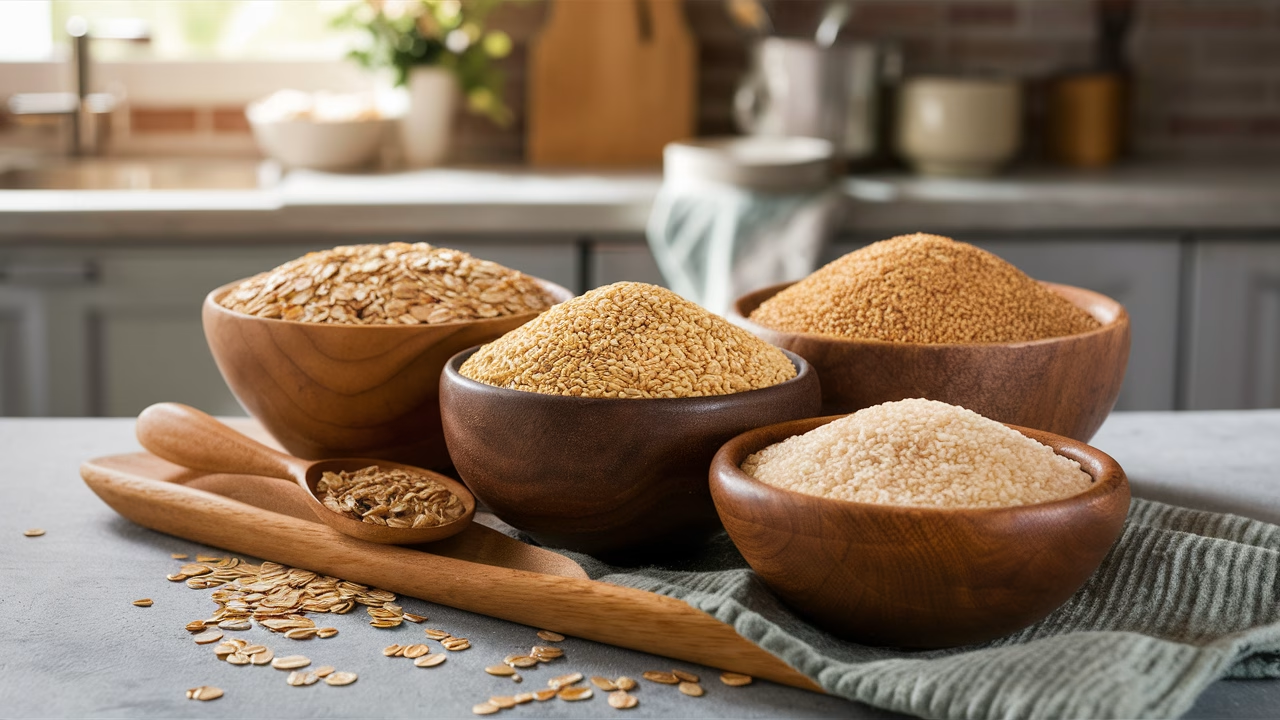
Imagine trying to control a garden hose without a valve — everything comes out in one big rush. That’s what processed carbohydrates do to your bloodstream. Whole grains act like the valve, slowing sugar’s release into your body, giving your cells time to absorb and use it effectively.
From oats and quinoa to barley and brown rice, whole grains are loaded with dietary fiber — a superstar in blood sugar regulation. This fiber not only aids digestion but prevents post-meal sugar crashes that can leave you irritable or fatigued. The complex carbohydrates in whole grains help maintain stable energy levels throughout your day.
| Whole Grain | Key Nutrient | Blood Sugar Benefit |
|---|---|---|
| Oats | Beta-glucan | Slows carbohydrate absorption |
| Quinoa | Complete protein | Supports muscle and sugar use |
| Brown rice | Magnesium | Boosts insulin response |
Real-World Tip:
Swap white rice for quinoa or barley in stir-fries or grain bowls. You’ll stay full longer and avoid the rollercoaster of energy spikes while naturally regulating blood sugar.
Leafy Greens: Nutrient-Rich, Blood Sugar-Friendly
Packed with vitamins, minerals, and fiber, leafy greens do wonders for managing sugar levels naturally. Think of them as nutritional shields — blocking excess sugar from rushing into your bloodstream while delivering hydration and antioxidants that promote glowing health.
Low in carbs but nutritionally dense, greens like spinach, kale, and Swiss chard are ideal for anyone watching their blood sugar. These vegetables digest slowly and help keep energy stable throughout the day. The magnesium in leafy greens also supports healthy insulin function, making them a cornerstone of blood sugar regulation.
Berries: Sweet, Natural Support for Glucose Management
Bursting with flavor and vibrant colors, berries are nature’s sweet way of helping your body regulate blood sugar effectively. Their high levels of antioxidants can boost your body’s ability to use insulin effectively, especially beneficial for people with insulin resistance or prediabetes.
Strawberries, blueberries, raspberries — aside from their incredible flavor, each variety brings fiber and polyphenols to the table, which support healthier blood sugar responses after meals. Plus, they answer sweet cravings in a blood sugar-friendly way, making them perfect natural alternatives to processed sweets.
Nuts and Seeds: Small Foods, Big Impact
Here’s the beautiful thing about nuts and seeds: though tiny, they’re nutritional giants for blood sugar control. Almonds, walnuts, flaxseed, and chia pack a one-two punch of healthy fats and fiber. This powerful combo helps slow how quickly sugar is absorbed — giving you steady energy you can feel.
Some, like almonds and pumpkin seeds, are rich in magnesium, a mineral that plays an crucial role in supporting insulin function and glucose metabolism. Just be mindful of portions. These are calorie-dense by nature, so moderation matters for optimal blood sugar management.
| Nuts/Seeds | Key Nutrient | Blood Sugar Effect |
|---|---|---|
| Almonds | Magnesium | Improves insulin sensitivity |
| Flaxseed | Soluble fiber | Slows sugar absorption |
| Chia | Omega-3 | Stabilizes digestion |
Avocados: Healthy Fats with Sugar-Steadying Power
Avocados are creamy, delicious, and surprisingly impactful on blood sugar levels. Thanks to their blend of soluble fiber and monounsaturated fats (the good kind!), avocados offer the kind of satiety that keeps you off the sugar rollercoaster.
The fiber slows digestion while healthy fats help improve insulin sensitivity naturally. One-half of an avocado contains nearly 7 grams of fiber — that’s serious staying power for blood sugar regulation. This nutrient combination makes avocados an excellent choice for maintaining stable glucose levels.
Fatty Fish: Omega-3 Rich Support for Insulin Function
Omega-3 fatty acids are your body’s allies when it comes to lowering inflammation and improving how your cells respond to insulin. Fatty fish — like salmon, mackerel, sardines — carry this vital fat in generous doses, making them excellent foods to regulate blood sugar.
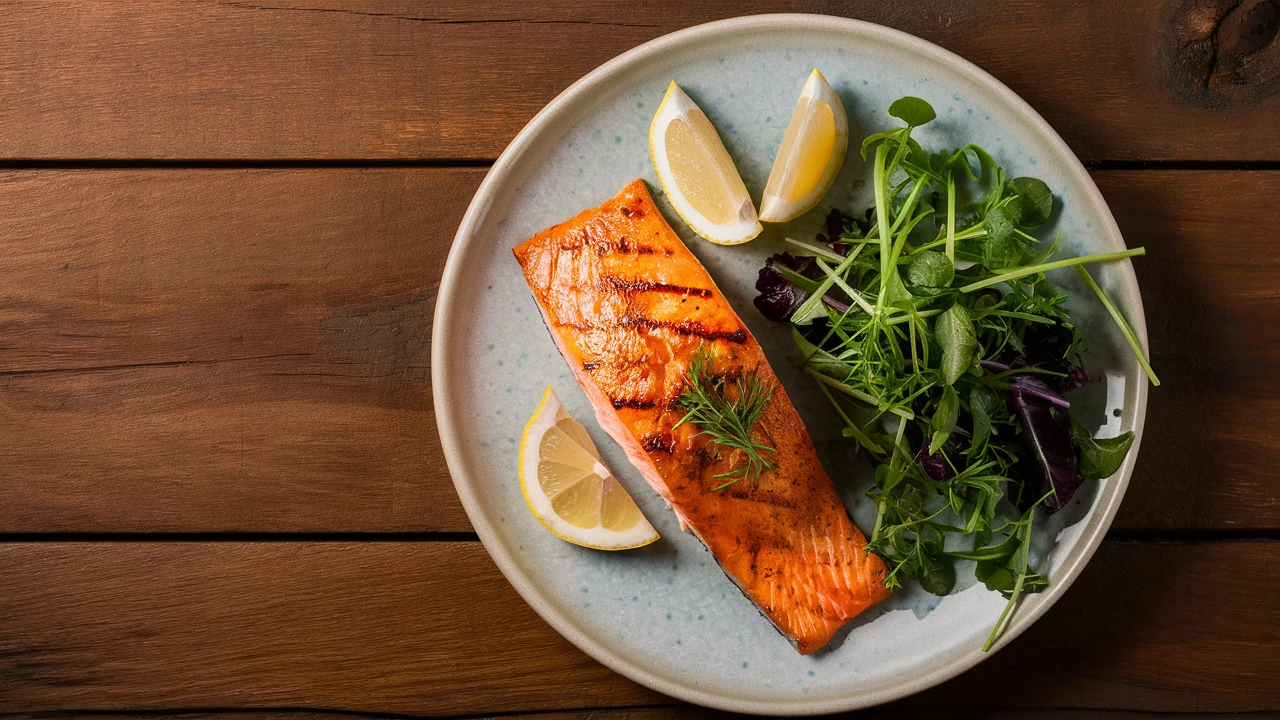
Think of omega-3s as the tune-up your cells need to process sugar smoothly. Adding two servings of fatty fish each week may help reduce blood sugar fluctuations and enhance cardiovascular health. The protein in fish also helps slow glucose absorption, supporting better blood sugar control.
Quick Tip:
Pair grilled salmon with leafy greens and quinoa for a perfectly balanced, glucose-friendly meal that naturally supports blood sugar regulation.
Beans and Legumes: Fiber Heaven for Blood Sugar
Beans are so rich in soluble fiber, it’s as if they were custom-designed for steady post-meal sugar responses. By slowing digestion and combining beautifully with protein, they reduce rapid sugar spikes — a top goal for anyone focused on blood sugar management.
Whether you prefer kidney beans, chickpeas, or lentils, these versatile legumes are ideal in soups, grain bowls, or as protein swaps in recipes. The resistant starch in beans also feeds beneficial gut bacteria, which may indirectly support better glucose control and insulin sensitivity.
Chia Seeds: Tiny Seeds with Tremendous Value
Don’t be fooled by their size — chia seeds are like sponges inside your stomach that help regulate blood sugar naturally. They soak up water and expand, forming a gel that acts like a time-release capsule for food digestion.
This unique process keeps sugar from entering your bloodstream too quickly, making them powerful allies in blood sugar control. Sprinkle them onto yogurt, blend into smoothies, or soak overnight for a fiber-rich pudding that supports stable glucose levels throughout the day.
Greek Yogurt: Protein and Probiotics for Insulin Function
Creamy, tart, and downright satisfying, Greek yogurt is loaded with protein that helps slow digestion and curb carb cravings naturally. Even better, it’s fermented — meaning it carries probiotics that may indirectly improve insulin sensitivity and support blood sugar regulation.
Some studies have found that eating Greek yogurt can lead to lower fasting glucose levels in both healthy individuals and those with insulin resistance. Be sure to choose plain, unsweetened versions to avoid added sugars that could counteract the blood sugar benefits.
Cost Guide: Budgeting for Blood Sugar-Friendly Foods
| Food | Average Cost (per serving) | Weekly Investment |
|---|---|---|
| Whole Grains | $0.50 | $3.50 |
| Berries (fresh/frozen) | $1.00 | $7.00 |
| Leafy Greens | $0.75 | $5.25 |
| Greek Yogurt | $1.00 | $5.00 |
| Chia/Mixed Nuts | $0.90 | $6.30 |
Frequently Asked Questions
What’s the best fruit for regulating blood sugar?
Berries are among the best due to their fiber and antioxidant content. Blueberries, raspberries, and strawberries can help reduce insulin spikes.
How quickly can diet changes affect blood sugar?
You may notice improvements within a few weeks, especially in post-meal energy, reduced cravings, and even improved fasting glucose levels.
Should I avoid carbs altogether to manage blood sugar?
No — the goal is to choose quality carbs. Whole grains, legumes, and fiber-rich veggies are all excellent choices that support stable sugars.
How many times a day should I eat to stabilize sugar?
Consistency is key. Aim for balanced meals every 3–4 hours to avoid major blood glucose dips and spikes.
Can I eat snacks between meals?
Yes, just make them count. A handful of almonds, Greek yogurt with chia, or veggies with hummus will curb hunger without spiking sugar.
Is Greek yogurt better than regular yogurt for blood sugar?
Yes. Its higher protein content and probiotics make it more effective for slowing digestion and supporting insulin usage.
Are natural sweeteners okay if I’m watching blood sugar?
Options like stevia and monk fruit may be better than refined sugar, but it’s still best to limit added sweetness overall.