What causes hormonal fatigue in women — and can it be fixed naturally?
Hormonal fatigue in women typically stems from stress, aging, poor lifestyle choices, and underlying endocrine disorders. The encouraging news? Many cases of hormonal imbalance and fatigue improve significantly with targeted lifestyle changes, dietary adjustments, and holistic hormone support strategies.
TL;DR – Key Takeaways
- Hormonal fatigue causes go beyond ordinary tiredness — it’s often a systemic imbalance involving cortisol, thyroid hormones, and reproductive hormones.
- Chronic stress significantly disrupts cortisol balance, creating a cascade effect that leads to wider adrenal and endocrine fatigue.
- Age-related hormonal changes during perimenopause and postmenopause can severely drain your body’s energy reserves.
- Endocrine disorders fatigue symptoms—such as hypothyroidism, PCOS, and adrenal insufficiency—often go undiagnosed for years.
- Natural remedies for hormonal fatigue like improved diet, better sleep, and mindfulness can rebalance hormones without medication.
1. Understanding Hormonal Fatigue
If you’ve ever felt exhausted — not just the ordinary sleepy kind, but a lingering bone-deep drain — and couldn’t figure out why, you’re experiencing what millions of women face daily. This isn’t laziness or weakness; it’s your body signaling that your hormonal symphony has fallen out of tune.
When we talk about hormonal fatigue causes, we’re looking at your body’s chemical messengers that control everything from metabolism to sleep cycles. When these hormones fall out of sync, your energy systems struggle, and fatigue becomes your unwelcome companion.
1.1 The Link Between Hormones and Energy Levels
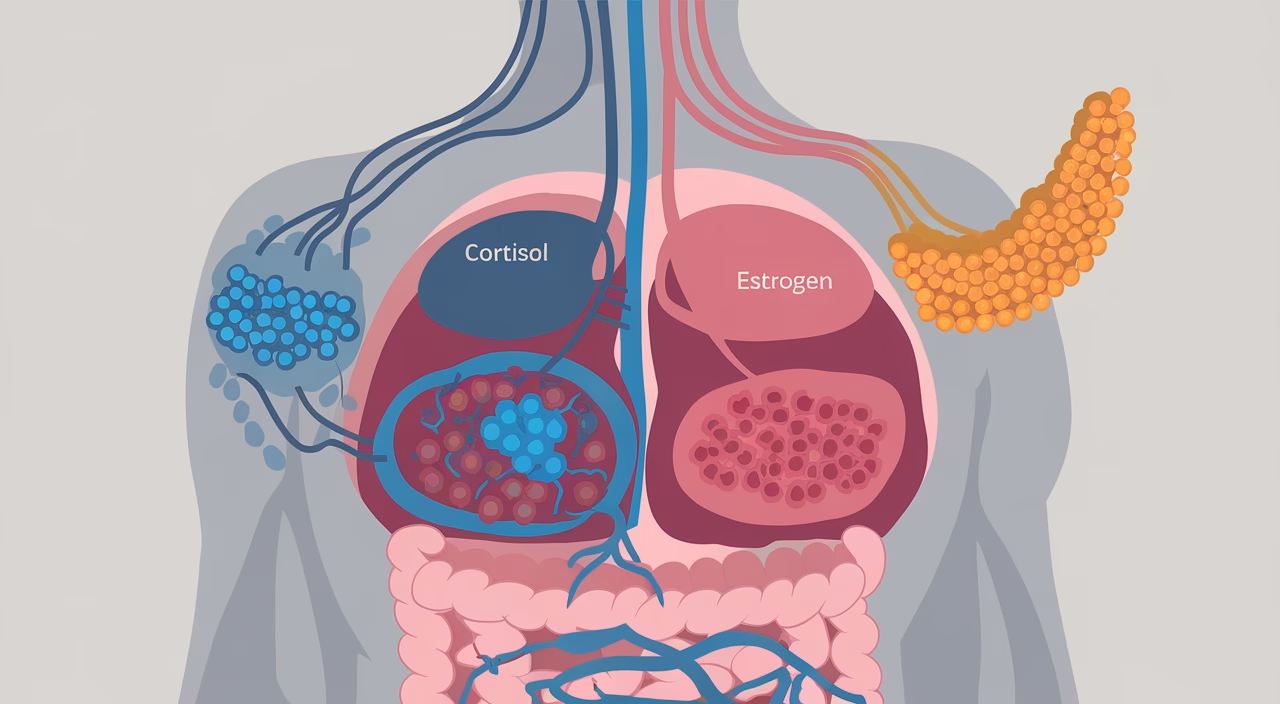
Think of your hormones as conductors of an intricate orchestra. When balanced, your body performs beautifully—you feel alert, motivated, and energized. But when key players like cortisol, estrogen, and thyroid hormones go out of tune, hormonal imbalance and fatigue creeps in. Cortisol manages your stress response, estrogen supports cellular energy production, and thyroid hormones regulate your metabolic rate. A disruption in any of these can literally shut down your energy production.
2. Stress as a Major Culprit
“I’m just tired because I’m busy”—sound familiar? While modern life brings unavoidable challenges, chronic stress does more than overwhelm your schedule. It fundamentally rewires your body’s stress response system, primarily through the hormone cortisol, creating one of the most common hormonal fatigue causes.
2.1 Impact of Cortisol on Hormonal Balance
Cortisol, your primary stress hormone, works beautifully in small, short bursts—like when you need to meet a deadline or handle an emergency. But when you’re chronically stressed, cortisol production stays elevated, gradually exhausting your adrenal glands and disrupting your sleep-wake cycle, mood regulation, and immune function.
This creates a vicious cycle: high-cortisol fatigue eventually transforms into low-cortisol burnout, leaving you feeling simultaneously “wired but tired.” Your body shifts into survival mode, prioritizing immediate stress management over long-term energy production and vitality.
3. Unveiling Endocrine Disorders
One of the most overlooked hormonal fatigue causes lies in endocrine disorders that can go undiagnosed for years. These conditions are surprisingly common among women, yet they’re often dismissed as normal aging, parenting exhaustion, or simply being “too busy.”
3.1 Common Endocrine Conditions Contributing to Fatigue
Your endocrine system orchestrates hormone production through glands including your thyroid, pituitary, ovaries, and pancreas. When endocrine disorders fatigue sets in, it feels like running on an empty tank even after adequate rest. Here are the most common conditions affecting women’s energy:
| Endocrine Condition | Symptoms Related to Fatigue | Common Misdiagnoses |
|---|---|---|
| Hypothyroidism | Persistent low energy, unexplained weight gain, brain fog | Depression, chronic insomnia |
| PCOS | Irregular periods, insulin resistance, crushing fatigue | Chronic stress, severe PMS |
| Adrenal Insufficiency | Muscle weakness, low blood pressure, overwhelming exhaustion | Burnout, anxiety disorder |
These hidden triggers highlight why listening to your body matters so much. If your fatigue feels unusually persistent or overwhelming, it’s worth consulting a healthcare provider who understands hormonal fatigue causes for proper testing and evaluation.
4. Age-Related Hormonal Changes
A woman’s life unfolds through rhythmic hormonal transitions—from menstruation through menopause. Each stage presents unique energy challenges as estrogen and progesterone levels fluctuate, directly affecting your cellular powerhouses (mitochondria) responsible for energy production.
4.1 How Age-Related Hormonal Changes Affect Energy
The hormonal rollercoaster of perimenopause and menopause often includes sudden “energy crashes” where your vitality seems to vanish overnight. Estrogen plays a crucial role in supporting serotonin (your feel-good neurotransmitter) and helps regulate stress responses. When estrogen levels decline, you may experience increased fatigue, reduced endurance, and sleep disturbances—creating a downward spiral of energy loss.
Some women also face dramatic hormone drops after childbirth, during breastfeeding, or due to certain medications. Understanding these age-related hormonal changes helps you recognize when your fatigue has a hormonal root cause rather than lifestyle factors alone.
5. Lifestyle Factors That Worsen Fatigue
When addressing hormonal imbalance and fatigue, it’s not just about managing stress—your daily habits either stabilize or sabotage your hormonal health. Many common lifestyle patterns unknowingly amplify hormonal fatigue causes.
| Lifestyle Factor | Effect on Hormones |
|---|---|
| High-Sugar Diet | Triggers insulin spikes, worsens PCOS and metabolic fatigue |
| Excessive Exercise | Chronically elevates cortisol, leading to adrenal burnout |
| Poor Sleep Quality | Disrupts melatonin production, lowers progesterone levels |
| Excess Caffeine | Overstimulates cortisol production and depletes adrenal reserves |
These factors create a hormonal environment where fatigue thrives rather than healing. The encouraging news? Each of these lifestyle patterns is completely within your control to modify, from your kitchen choices to your daily schedule.
6. Strategies for Combating Hormonal Fatigue
If you’re struggling with hormonal imbalance and fatigue, you’re probably wondering: “Can I actually restore my energy naturally?” For most women, the answer is absolutely yes. By addressing root causes through sustainable lifestyle shifts, you can guide your hormones back into harmony and reclaim your vitality.
6.1 Natural Remedies for Hormonal Fatigue That Actually Work

- Adaptogenic Herbs: Ashwagandha, rhodiola, and holy basil help regulate your stress response and support healthy adrenal function naturally.
- Targeted Nutrient Therapy: Focus on B-complex vitamins, magnesium, zinc, and omega-3 fatty acids—these are foundational for hormone production and cellular energy metabolism.
- Mind-Body Practices: Yoga, deep breathing exercises, and meditation can significantly lower cortisol levels and restore energetic balance over time.
- Optimized Sleep Hygiene: Create a consistent wind-down routine, eliminate blue light exposure before bed, and consider calming essential oils like lavender.
- Hormone-Supporting Nutrition: Emphasize protein at every meal, include healthy fats, and choose complex carbohydrates to stabilize blood sugar and energy levels.
- Cycle Syncing: Track your hormonal phases and align your activity levels, nutrition choices, and rest periods with your body’s natural rhythms.
Final Thoughts
Your fatigue isn’t a character flaw—it’s often your hormones sending you an important message. The path back to vibrant energy isn’t about forcing yourself to power through, but rather learning to listen deeply and respond with compassion. Understanding hormonal fatigue causes empowers you to make informed choices that heal rather than just mask symptoms. Whether you’re addressing chronic stress, exploring natural remedies for hormonal fatigue, or working with age-related hormonal changes, your journey toward renewed energy starts with awareness and self-compassion. Your body has an incredible capacity for healing and balance—with the right support, you can rediscover your natural vitality.
Frequently Asked Questions
Why do hormone fluctuations cause fatigue?
Hormone fluctuations—especially in cortisol, estrogen, and thyroid levels—interfere with the body’s metabolism, nervous system, and sleep. These disruptions reduce cellular energy, leaving you persistently tired.
What’s the difference between hormonal fatigue and normal tiredness?
Normal tiredness improves with rest—hormonal fatigue feels chronic, even after a full night’s sleep, and is often tied to mood swings, weight changes, or irregular cycles.
Can endocrine disorders be treated naturally?
Depending on severity, some endocrine disorders can be supported with lifestyle changes like diet, supplements, and stress management, though diagnosis and monitoring by a professional are crucial.
Is hormonal fatigue linked to perimenopause?
Yes, perimenopause significantly affects estrogen and progesterone levels, which contributes heavily to changes in energy, sleep patterns, and mood.
How long does it take to rebalance hormones naturally?
Most women notice shifts within 4–12 weeks of consistent lifestyle changes, though hormones are sensitive systems and respond at different paces.
Do I need blood tests to confirm hormonal fatigue?
Yes, blood tests can provide clarity about hormone levels, particularly thyroid, cortisol, insulin, and reproductive hormones.
What foods help with hormonal fatigue?
Foods rich in protein, fiber, omega-3s, leafy greens, and antioxidant-rich berries support hormone health and energy metabolism.