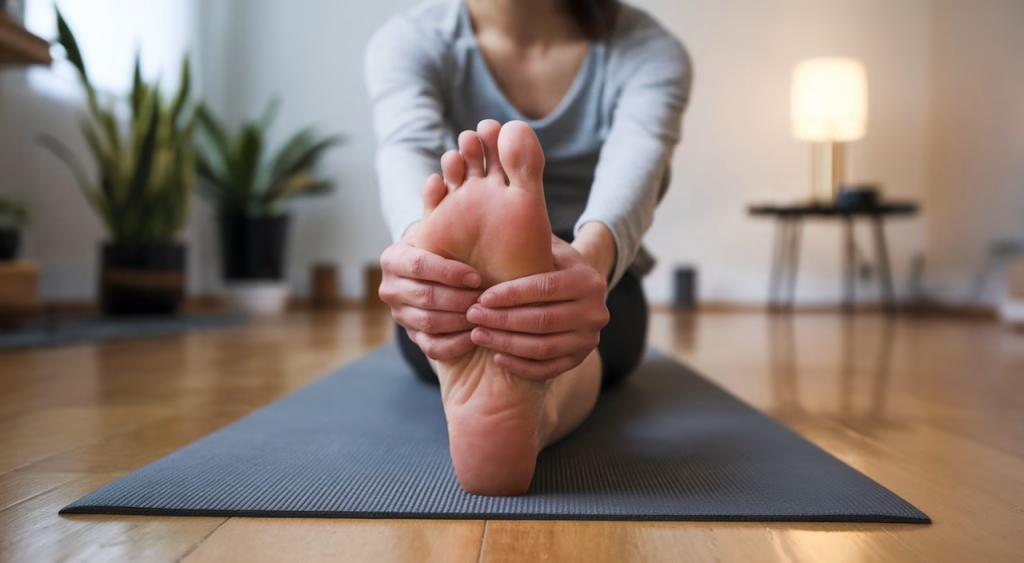
What is Foot Alignment and Why Does It Matter?
Foot alignment refers to how the bones, joints, and muscles in your feet line up with one another and how that supports your overall body alignment. When your feet are properly aligned, your body stays balanced, your weight distributes evenly across your joints, and you avoid unnecessary strain on your knees, hips, and back. But what happens when that alignment is off?
TL;DR Summary
- Foot alignment directly affects posture, balance, and mobility — misalignment causes pain in the knees, hips, and back.
- Common signs of foot misalignment include discomfort, uneven shoe wear, fatigue, and long-term joint problems.
- Correcting alignment naturally is possible with targeted foot exercises, stretching, and posture awareness.
- Improved alignment reduces the risk of injury, enhances balance, and supports full-body wellbeing.
- Understanding the foot-to-posture connection is key to achieving and maintaining a pain-free life.
Importance of Foot Alignment for Body Health
When we think of aches and chronic pain, we often blame our back or knees. Rarely do we pause to consider our feet — the foundation of it all. But like a house with a crooked foundation, poor foot alignment can bring your whole body alignment down with it.
Understanding Poor Foot Alignment
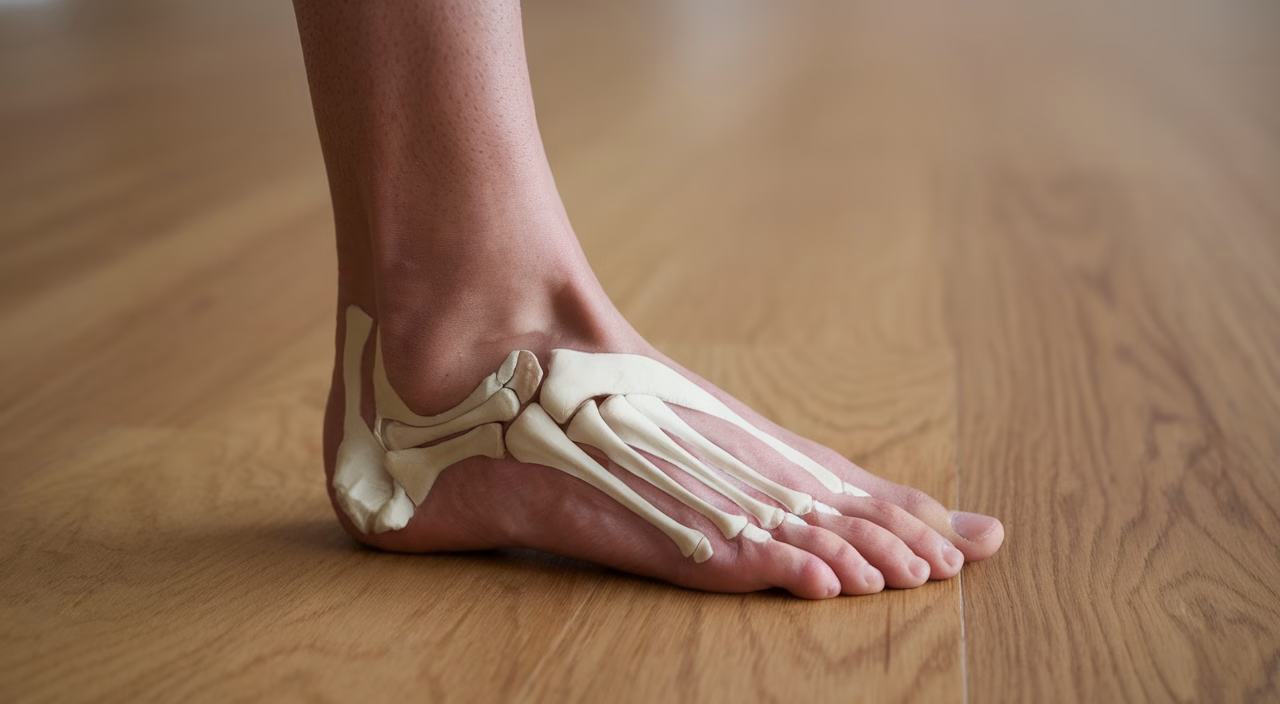
Poor foot alignment refers to abnormalities such as overpronation (rolling inward too much) or supination (not enough inward roll). These imbalances happen naturally over time—often without you realizing it—through habits like wearing unsupportive footwear, standing for long hours, or carrying excess weight.
Over time, these small shifts become big problems. If your foot rolls too far in or out with each step, your ankles rotate, your knees follow, and your hips tilt out of balance. It’s like driving a car with misaligned tires—eventually, you’ll feel every bump more sharply, and the vehicle will wear down quickly.
How Poor Foot Alignment Impacts Your Knees, Hips, and Back
Misaligned feet create a chain reaction throughout your body alignment. Here’s what often happens when your foot alignment is compromised:
- Knees: Twisting of the knee joint due to poor foot movement pattern, causing ligament strain and discomfort.
- Hips: Compensatory rotation or tilting of the pelvis, leading to stiffness or pain that radiates through your back.
- Back: Imbalanced pelvic and spinal alignment, causing pressure in the lower back and even the neck.
Think of your body alignment as a domino effect. One off-kilter domino at the base (your feet) can topple the entire lineup, creating pain from your ankles all the way to your spine.
Signs of Misaligned Feet You Shouldn’t Ignore
So how do you know if your foot alignment is off? Often, it’s not just the feet that signal distress—the signs and solutions are interconnected throughout your body.
Early Warning Signs: Discomfort and Pain
One of the earliest signs of poor foot alignment is persistent discomfort in your feet, especially after walking or standing. You might notice pain in areas like your arches, heels, or even between your toes. If one foot seems to ache more than the other, or your shoes wear unevenly, your foot alignment may be playing a role.
The discomfort doesn’t stop there. That misalignment gradually causes pain in other areas:
- Ankles feeling weak or prone to rolling
- Knee tenderness or clicking sensation when you move
- Hip fatigue, especially after sitting or standing for long periods
- Lower back tightness or sharp pain during motion
Long-Term Health Issues From Poor Foot Alignment
Ignoring foot alignment issues can increase your risk of chronic problems like plantar fasciitis, shin splints, tendonitis, stress fractures, and even herniated spinal discs. For older adults or people with existing joint problems, these risks multiply significantly. That’s why we, as foot care specialists, constantly stress early intervention when you notice signs of misalignment.
Natural Solutions for Improving Foot Alignment
Improving foot alignment isn’t reserved for athletes or those with diagnosed conditions. Anyone looking to reduce pain or improve their body alignment can benefit from these natural approaches. Let’s walk through effective signs and solutions:
Natural Exercises for Better Foot Alignment
Correcting foot alignment starts with gentle, consistent movement. Here’s how you can realign your body from the ground up:
| Exercise | Purpose | Instructions |
|---|---|---|
| Toe Spreading | Improves toe mobility & balance | While seated, spread your toes apart. Hold for 5 seconds, repeat 10x |
| Arch Lifts | Strengthens foot arch muscles | Roll weight onto outer feet & lift arches without lifting toes |
| Calf Stretch | Releases tension in Achilles & foot base | Stand with one leg back, press heel down, hold 30 seconds |
| Heel-to-Toe Walk | Enhances balance and gait | Walk in a straight line, heel touching the toe in front of the other |
Benefits of Proper Foot Alignment

The rewards of correcting foot alignment extend far beyond your soles and improve your entire body alignment:
- Improved posture: Your spine remains upright and pain-free when your feet provide proper support.
- Better balance: Crucial for aging populations and those prone to falls.
- Reduced strain: Less pressure on your knees, hips, and back when your foundation is solid.
- Enhanced performance: Walk, run, and stand longer without discomfort when your foot alignment is correct.
Preventing Body Pain through Proper Foot Care
Don’t wait for pain to tell you something’s off with your foot alignment. Prevention is often the most effective form of treatment, and addressing foot alignment issues early can save you from chronic discomfort.
The Critical Connection between Foot Alignment and Posture
Good posture doesn’t start at your neck or shoulders—it begins from below with proper foot alignment. When your foot is neutral, aligned, and supported, the rest of your body alignment follows suit. Overstraining muscles stop compensating for an uneven foundation, relieving tension from joint to joint.
In fact, a regular foot care routine, combined with daily posture checks, may reduce chronic pain flare-ups by a surprising margin when you address the root cause of poor foot alignment.
Here’s how foot alignment and posture are linked:
| Foot Position | Effect on Body Alignment |
|---|---|
| Overpronation | Collapses ankle inward, strains knees and lower back |
| Neutral Foot | Acts as shock absorber, supports leg and spine alignment |
| Supination | Overloads outer foot, destabilizes hips and pelvis |
Final Thought: Start From the Ground Up
Proper foot alignment isn’t just about shoes or physical therapy—it’s about respecting your foundation and understanding how it affects your entire body alignment. Just like builders reinforce the base of a skyscraper, you’ll want to prioritize and protect the base that holds your body day in and day out. So if you’ve been living with unexplained pain or reduced mobility, look no further than what’s beneath your feet.
Take five minutes a day to stretch, adjust your posture, and check in with your foundation—because what starts with foot alignment can ripple through every step you take and every movement you make.
Frequently Asked Questions
What causes the body to go out of alignment?
Common causes include poor foot mechanics, muscle imbalances, injury, prolonged poor posture, or unchanged standing/sitting habits. Over time, these factors disrupt natural joint alignment and can lead to chronic pain or limitations.
Can misaligned feet really cause back pain?
Yes. Misaligned feet alter the way your legs and pelvis move, often forcing your spine to compensate. This extra stress on your spine can result in sharp or dull lower back pain over time.
How can I improve foot alignment naturally?
Incorporate daily exercises like arch raises and toe spreading, wear supportive footwear, and avoid prolonged barefoot walking on hard surfaces. Improving posture and strengthening foot joints is critical for realignment.
Are there warning signs of poor foot alignment?
Early signs include unusual shoe wear patterns, pain in arches or heels, general foot fatigue, frequent ankle sprains, and recurring pain in knees, hips, or back.
Should I see a professional for foot alignment issues?
If pain is persistent or impacting your daily life, visiting foot and ankle centers is advised. They can provide customized support, gait analysis, and relief strategies tailored to your needs.
Can posture braces help with alignment?
Posture braces can support upper body alignment, but won’t fix underlying foot issues. It’s essential to combine braces with foot alignment exercises and targeted care for sustainable improvement.