What are the best natural foods to reduce water retention?
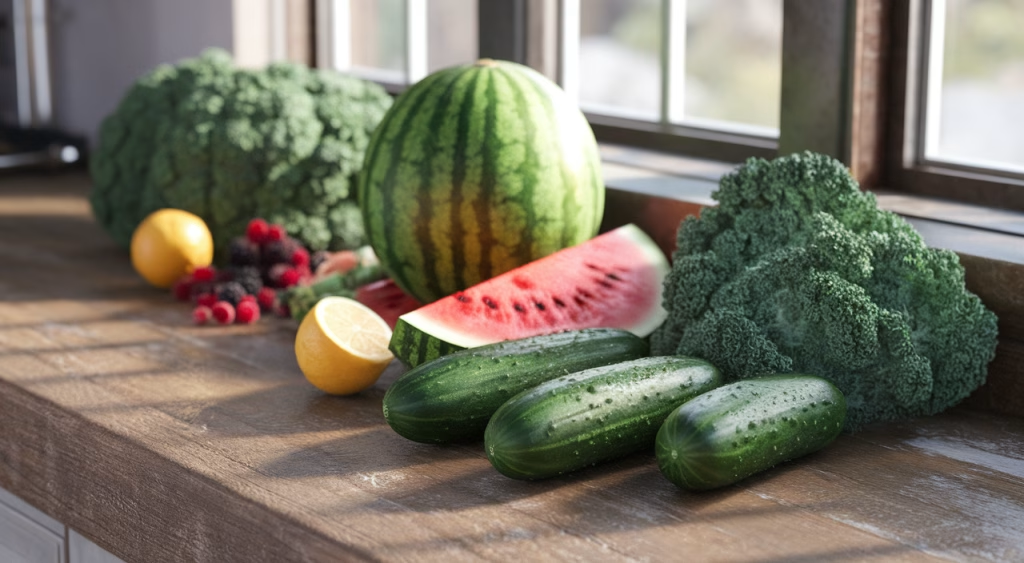
Some of the most effective natural foods for reducing water retention include cucumbers, watermelon, bananas, asparagus, celery, leafy greens, berries, ginger, fennel, and lemon water. These plant-based, nutrient-rich options support kidney function, fight inflammation, and help your body flush excess fluid naturally while supporting your overall plant-based diet benefits.
- Cucumbers are 95% water and contain nutrients that support healthy kidney function.
- Watermelon helps flush sodium and contains antioxidants like citrulline.
- Bananas fight hormonal water retention with potassium and Vitamin B6.
- Asparagus & Celery are natural diuretics that support detox.
- Leafy greens like spinach are high in magnesium and potassium, helping reduce swelling.
TL;DR:
- Natural diuretics like cucumber, celery, and asparagus help flush excess water.
- Potassium-rich foods such as bananas and leafy greens restore fluid balance safely.
- Detox-friendly ingredients like lemon water and ginger reduce inflammation & puffiness.
- Say goodbye to puffy fingers and bloated bellies with food-as-medicine.
- Bonus: These foods are affordable, accessible, and packed with plant-based nutrition.
Cucumbers: Nature’s Built-In Water Filter
Why Cucumbers Work Wonders for Bloating
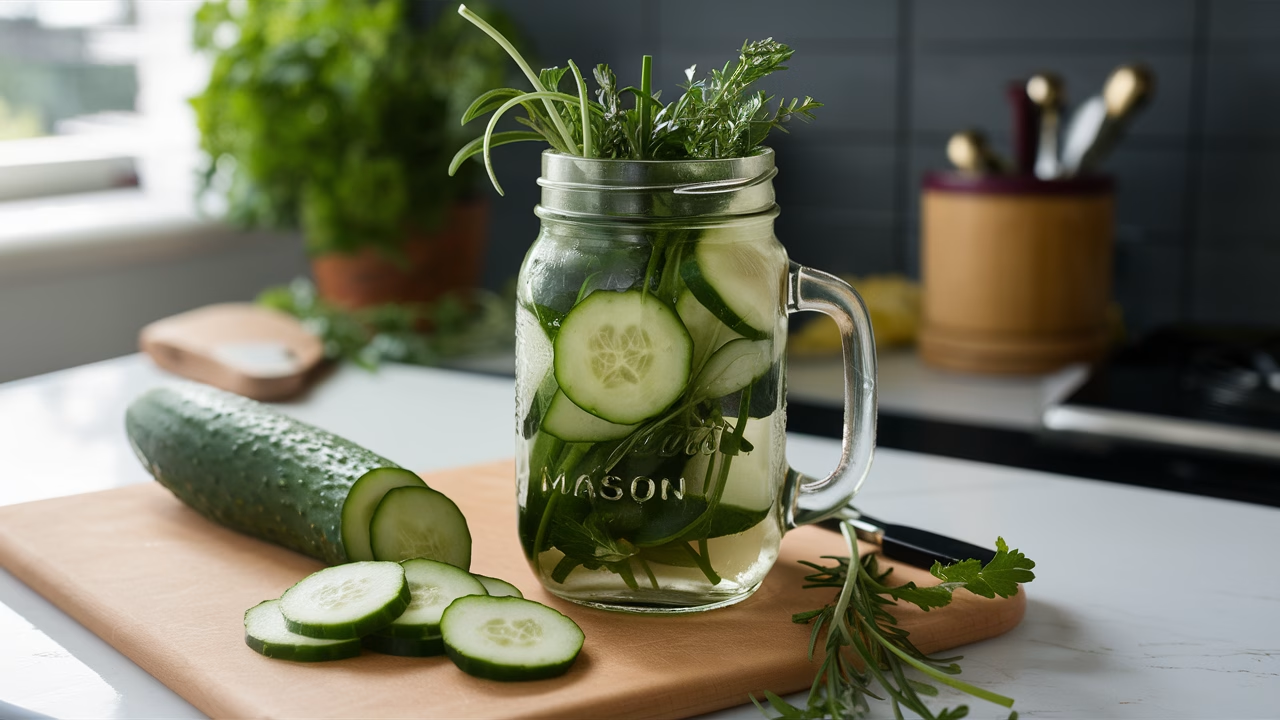
Ever notice how refreshing cucumbers taste on a hot day? That’s because they’re made up of 95% water, and that water is loaded with natural compounds that tell your body, “Hey, it’s time to let go of the puff.” Cucumbers support the lymphatic and urinary systems by urging the kidneys to eliminate built-up fluid, thanks in part to their cooling compound, silica.
They function like a gentle filter, encouraging your body to release excess sodium and calm down on inflammation. And let’s not forget—no food prep MVP list is complete without them. You can slice them up in a pitcher of water, toss them into your salad, or eat them straight up for a recharge. Gentle on the stomach and energizing in effect, cucumbers are a must in your arsenal if your rings feel a little snug after lunch. These plant-based nutrition powerhouses also support your cruelty-free diet goals while delivering real results.
Watermelon Magic: The Juicy Powerhouse for Fluid Release
How Watermelon Flushes the Bloat Away
Picture a slice of chilled watermelon glistening under summer sun. Beyond being a picnic favorite, this juicy fruit is your body’s natural sponge. Rich in potassium and water, watermelon rehydrates while flushing excess sodium. It’s especially helpful after a salty day when your ankles feel tighter than your favorite jeans.
Watermelon also contains the amino acid citrulline, which supports blood flow and eases inflammation. Toss it into a blender for a cooling smoothie or freeze chunks for a guilt-free sweet treat that loves your kidneys back. As part of your vegan lifestyle, watermelon delivers both ethical eating satisfaction and powerful water retention relief.
Asparagus and Celery: Green Detox Dream Team
Unlock Natural Diuretic Superfoods
Asparagus has been trusted for centuries as a gentle diuretic. Its secret weapon? Asparagine—an amino acid that encourages your renal system to release excess fluid and salt. It’s also high in the antioxidant glutathione, which supports your body’s natural detox pathways.
Celery, with its clean crunch and phthalide compounds, helps improve blood circulation and encourages your body to drain trapped fluid. Rich in fiber, low in sodium, and big on potassium, celery is the type of food that quietly overdelivers. Add celery to your soup, juice it with apples and lemon, or pair it with almond butter for a satisfying snack. These plant-based diet benefits extend beyond just water retention—you’re supporting your entire wellness journey with ethical eating choices.
Leafy Greens: The Anti-Bloat Power Bowl Base
Greens That Reduce Water Retention & Inflammation
Eaten raw, sautéed, or blended—greens like kale, arugula, and spinach are your best friends when you’re feeling puffy. One of the leading causes of water retention? A diet high in sodium and low in potassium. Leafy greens beautifully counteract this imbalance with their impressive plant-based nutrition profile.
They’re also magnesium-rich, which can help when bloating results from PMS or muscle cramping. Even better, chlorophyll in greens helps detoxify the body at a cellular level, making them a foundational part of any anti-bloat regimen. When you embrace these greens as part of your vegan lifestyle, you’re getting maximum nutritional bang for your ethical eating buck.
Bananas and Berries: Fruit that Fights Fluid Build-Up
Sweet, Portable, and Powerful
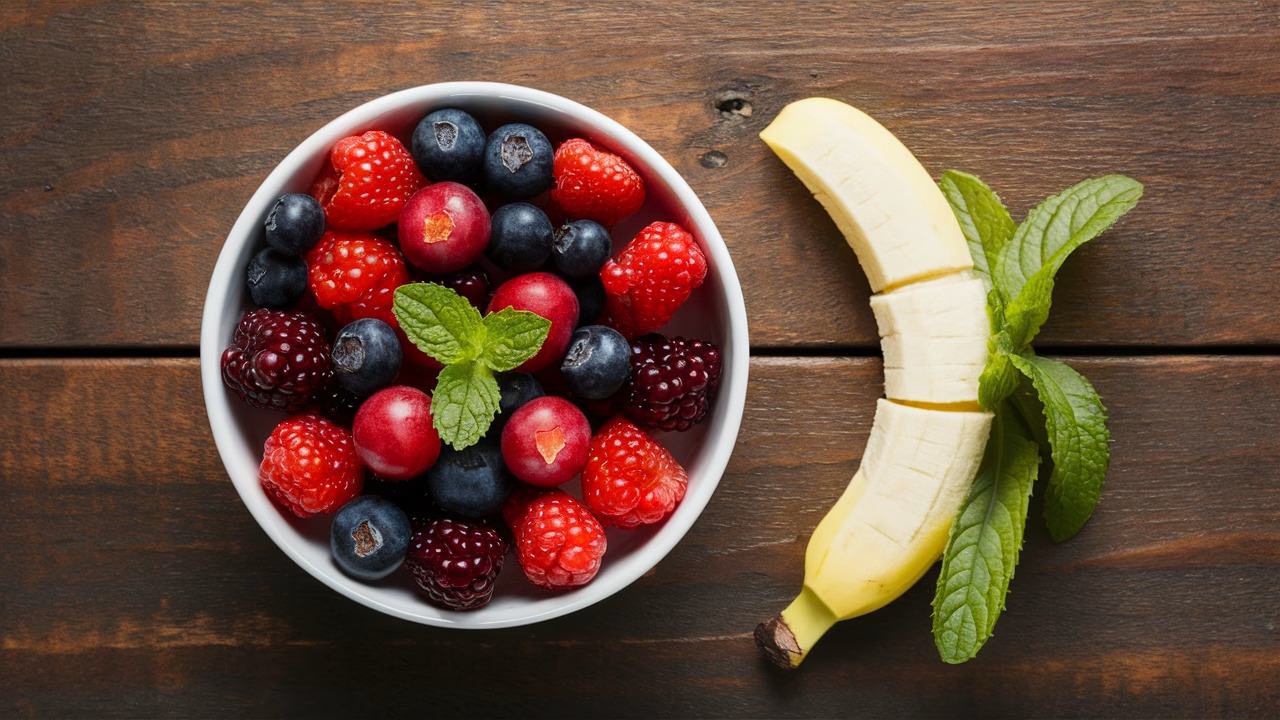
Bananas often get a bad rap for their sugar content, but let’s set the record straight: they’re one of the best foods for reducing water retention thanks to their potassium punch. Especially for women experiencing hormonal shifts, bananas help regulate sodium and fight bloat without compromising energy. The plant-based diet benefits here are undeniable—you get sustained energy plus natural water retention relief.
Berries like cranberries and blueberries complement this effect, thanks to their antioxidant profile and natural diuretic traits. Cranberries, in particular, help prevent urinary tract inflammation that can contribute to water retention. These fruits perfectly align with your cruelty-free diet while delivering powerful health benefits.
Lemon, Ginger, and Fennel: The Anti-Inflammatory Trio
Citrus, Spice, and Digestion Support
Let’s round this out with a trio that starts your day—or revives your evening—with a natural, refreshing twist. Warm lemon water is a classic detoxifier. It not only encourages your kidneys to do their job but also stimulates bile and digestive flow, supporting your body’s natural plant-based nutrition absorption.
Now add some fresh ginger, nature’s anti-inflammatory powerhouse. It soothes the digestive tract while encouraging the lymphatic system—your body’s internal cleanup crew—to get moving.
Lightly aromatic fennel supports healthy digestion and acts as a diuretic while adding flavor to your meals. Use it in teas, soups, or salads. This trio represents the best of ethical eating—simple, natural, and incredibly effective for water retention relief.
How to Stop Brain Freeze Fast: 7 Natural Remedies That Work in Seconds
Comparison Table: Natural Foods vs Synthetic Diuretics
| Feature | Natural Foods | Synthetic Diuretics |
|---|---|---|
| Side Effects | Rare or none | May cause nutrient loss |
| Nutritional Value | High (vitamins, fiber, water) | Low or none |
| Accessibility | Found in any grocery store | Requires prescription |
| Support Other Body Systems | Yes – digestion, immunity, skin | No – may tax kidneys |
FAQs: Natural Remedies for Water Retention
1. Can I eat these natural foods for water retention daily?
Absolutely! These natural foods for water retention are safe for everyday use and even offer benefits beyond fluid balance—like improving digestion, cardiovascular health, and skin quality. They’re perfect additions to your vegan lifestyle and support long-term plant-based diet benefits.
2. How long until I see results from these natural foods?
Most people feel a noticeable shift in bloating and swelling within 2–3 days of consistently adding these natural foods for water retention to their diet. The plant-based nutrition works quickly to restore your body’s natural fluid balance.
3. Should I avoid salt entirely when dealing with water retention?
Not necessarily—salt in moderation (especially natural sea salt) is fine. Try to balance sodium with potassium-rich foods to maintain healthy fluid balance. This approach aligns perfectly with ethical eating principles of moderation and balance.
4. Can these natural foods replace prescription diuretics?
In most mild cases of fluid retention, these natural foods for water retention can be incredibly effective. But if you’re dealing with chronic conditions, talk to a qualified healthcare provider first. The beauty of plant-based nutrition is that it works alongside medical treatments when needed.
5. Is lemon water better warm or cold for water retention?
Warm lemon water tends to be gentler on the digestive tract and may stimulate detox pathways more effectively in the morning. This simple addition to your cruelty-free diet can make a significant difference in how you feel throughout the day.
6. What else can I do besides eating these natural foods for water retention?
Drink adequate water, move your body daily, reduce overly processed foods, and explore relaxing systems like lymphatic drainage massage. Combining these lifestyle changes with the plant-based diet benefits we’ve discussed creates a powerful approach to managing water retention naturally.