Can Medications Really Cause Dry Mouth?
Yes, medications cause dry mouth by significantly reducing saliva production, leading to what’s medically known as xerostomia. This side effect affects millions of people, especially older adults and those taking multiple prescriptions. If you’re experiencing this frustrating condition, understanding why it happens is your first step toward relief.
TL;DR: What You Need to Know
- Medications cause dry mouth by interfering with your nervous system’s control over salivary glands.
- Antihistamines dry mouth, overactive bladder medications dry mouth, and mental health medications dry mouth are among the most common culprits.
- Dry mouth side effects include: sticky mouth sensation, difficulty swallowing, cracked lips, and persistent sore throat.
- Left unmanaged, this condition can lead to cavities, bad breath, and gum disease.
- Relief strategies include: staying hydrated, sugar-free chewing gum, avoiding alcohol-based mouthwashes, and medication adjustments.
- Natural remedies for dry mouth can provide significant relief when used consistently.
Why Medications Cause Dry Mouth: Understanding the Root Causes
Your saliva does much more than keep your mouth comfortable—it protects against tooth decay, aids digestion, and maintains oral health. When medications cause dry mouth, they’re disrupting this crucial protective system.
Here’s how medications interfere with saliva production:
- Blocking acetylcholine receptors that signal your salivary glands to produce saliva
- Altering your body’s fluid balance and water retention
- Affecting the central nervous system’s control over glandular function
The medical term for medication-induced dry mouth is iatrogenic xerostomia. Unfortunately, it’s often overlooked until you develop serious oral health complications.
The Hidden Dangers: How Dry Mouth Side Effects Impact Your Health
Think of saliva as your mouth’s natural defense system. When medications cause dry mouth, you lose this protection, leaving your oral health vulnerable to multiple complications.
Serious Oral Health Consequences
- Rapid tooth decay and increased cavity formation
- Persistent bad breath that doesn’t respond to brushing
- Difficulty eating, swallowing, or speaking clearly
- Painful cracked lips and mouth corners
- Recurring mouth sores and fungal infections like thrush
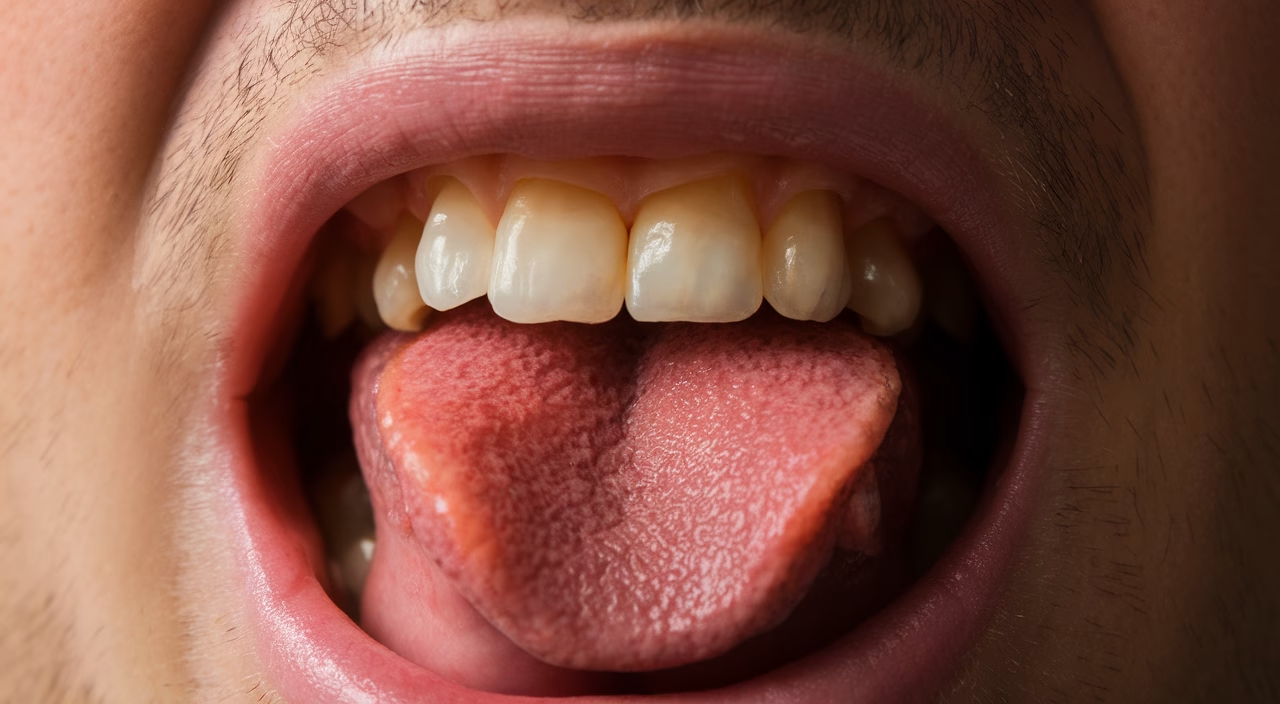
Many patients describe feeling like their tongue is coated with cotton—a sticky, uncomfortable sensation that worsens overnight and during extended conversations.
Proven Dry Mouth Relief Tips and Natural Remedies
The encouraging news is that you don’t have to suffer in silence. Whether your dry mouth side effects are mild or severe, these evidence-based strategies can provide meaningful relief.
Immediate Dry Mouth Relief Tips
- Sip water consistently — keep a water bottle nearby and drink regularly, even when you don’t feel thirsty.
- Chew sugar-free gum or suck on sugar-free candies — this stimulates your remaining saliva production naturally.
- Use a bedroom humidifier — adding moisture to the air helps combat nighttime dryness.
- Cut back on alcohol and caffeine — both substances worsen dehydration and dry mouth side effects.
- Switch to alcohol-free mouthwashes — alcohol-based products actually increase mouth dryness.
Natural Remedies for Dry Mouth That Actually Work
- Aloe vera juice — research shows it can soothe oral tissues and promote healing.
- Slippery elm lozenges — creates a protective coating that reduces irritation.
- Coconut oil pulling — this ancient practice helps maintain oral moisture and reduce bacteria.
Before trying herbal remedies, consult your healthcare provider to ensure they won’t interact with your current medications.
Cost Guide: Managing Dry Mouth
| Solution | Category | Price Range |
|---|---|---|
| Room Humidifier | Home appliance | $25 – $100 |
| Sugar-free gum | Over-the-counter | $2 – $10 |
| Natural lozenges or sprays | Herbal category | $5 – $15 |
| Saliva substitutes | Pharmacy | $8 – $20 |
The Complete List: Which Medications Cause Dry Mouth
Understanding which medications cause dry mouth helps you prepare and take preventive action. Here are the biggest offenders by category.
Medications Causing Dry Mouth List
| Medication Type | Common Uses | Why They Cause Dry Mouth |
|---|---|---|
| Antihistamines | Allergies, cold symptoms | Block acetylcholine receptors that control saliva flow |
| Overactive bladder medications | Bladder control issues | Suppress parasympathetic nerve signals to glands |
| Antidepressants & antipsychotics | Mental health conditions | Disrupt central nervous system control of salivary glands |
| Diuretics | High blood pressure, fluid retention | Reduce overall body hydration and fluid availability |
| Muscle relaxants & sedatives | Sleep disorders, muscle tension | Sedative effects slow down glandular activity |
When you see warnings about antihistamines dry mouth or mental health medications dry mouth on prescription labels, use this as your signal to start prevention strategies immediately.

How to Prevent Dry Mouth from Medications: Proactive Strategies
Sometimes switching medications isn’t possible, but you’re not powerless against dry mouth side effects. These prevention strategies can significantly reduce your discomfort.
How to Prevent Dry Mouth from Medications
- Time your medications strategically — take them earlier in the day when possible to minimize nighttime dryness.
- Ask your pharmacist about alternatives — some formulations cause fewer dry mouth side effects.
- Start moisture prevention early — begin using oral moisturizers before symptoms become severe.
- Track your symptoms — keep a diary to identify which medications or times of day worsen your dry mouth.
- Maintain excellent oral hygiene — brush with fluoride toothpaste and floss daily to prevent complications from reduced saliva.
Open communication with your healthcare team is essential. We encourage you to discuss your concerns—they can often recommend alternatives that balance your therapeutic needs with your comfort.
Take Control of Your Oral Comfort
You don’t have to accept dry mouth side effects as an inevitable part of your treatment. By understanding which medications cause dry mouth, implementing proven relief strategies, and working with your healthcare providers, you can significantly improve your quality of life. Remember, natural remedies for dry mouth combined with proper hydration and oral care can make a dramatic difference in your daily comfort.
Frequently Asked Questions
Can medications cause dry mouth?
Yes, many common medications—especially antihistamines, mental health drugs, and overactive bladder medications—can significantly reduce saliva production and cause persistent dry mouth.
What are the worst medications for dry mouth?
The most problematic medications include antihistamines, tricyclic antidepressants, anticholinergics for overactive bladder, diuretics, and certain muscle relaxants.
Is dry mouth from medication permanent?
No, dry mouth side effects are typically reversible. Most people see improvement after stopping or adjusting the medication, though recovery time varies by individual.
How do you relieve dry mouth naturally?
Effective natural remedies for dry mouth include staying well-hydrated, chewing sugar-free gum, using a humidifier, and trying gentle options like aloe vera juice or slippery elm lozenges.
What should I avoid if I have dry mouth?
Avoid alcohol, caffeine, tobacco, alcohol-based mouthwashes, and very salty, spicy, or acidic foods that can worsen dry mouth symptoms.
Can switching medications help dry mouth?
Often, yes. Many people find relief by working with their healthcare provider to switch to alternative medications that cause fewer dry mouth side effects.
How soon after starting a medicine can dry mouth begin?
Dry mouth side effects typically develop within days to weeks of starting a new medication, depending on the drug type, dosage, and your individual sensitivity.