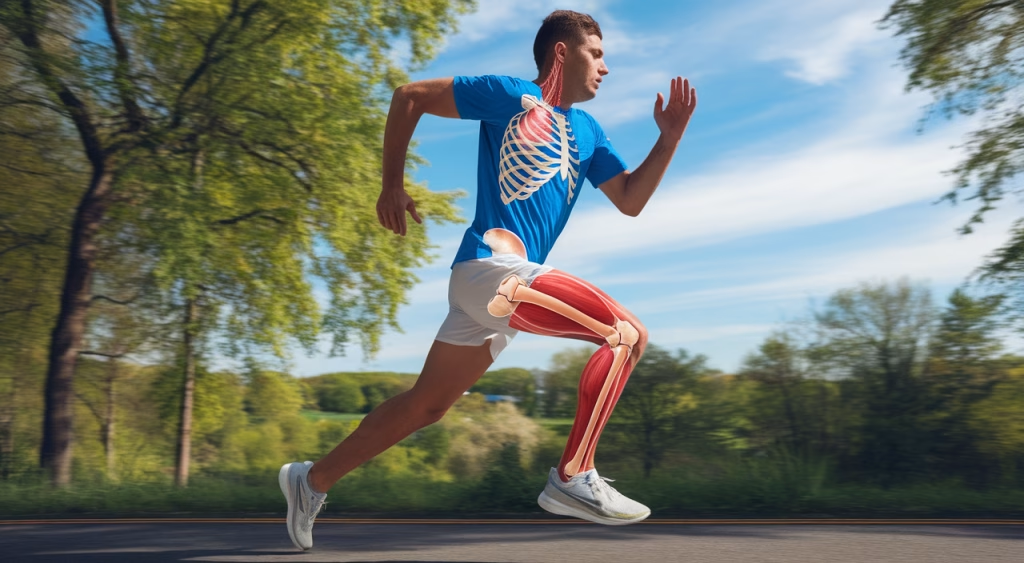
What are running biomechanics and how can they improve performance?
Running biomechanics refers to the study of how your body moves while running and how these movements influence your efficiency, performance, and injury risk. From the swing of your arms to the length of your stride, your running biomechanics affect how energy flows through your muscles and joints. Optimizing your running biomechanics not only boosts performance but also significantly reduces the risks of stress-related injuries.
TL;DR:
- Running biomechanics are key to avoiding injuries and improving efficiency.
- Stride length affects musculoskeletal loads and overall energy use.
- Tibial strain plays a crucial role in stress-fracture risk.
- Strategies covered include practical tips to adjust stride length for better balance and performance.
- Real-life examples show how biomechanics coaching improves long-term results.
- Ideal for beginners looking to build sound habits and reduce injury risk from the start.
Understanding Running Biomechanics
Impact of Stride Length on Musculoskeletal Loads
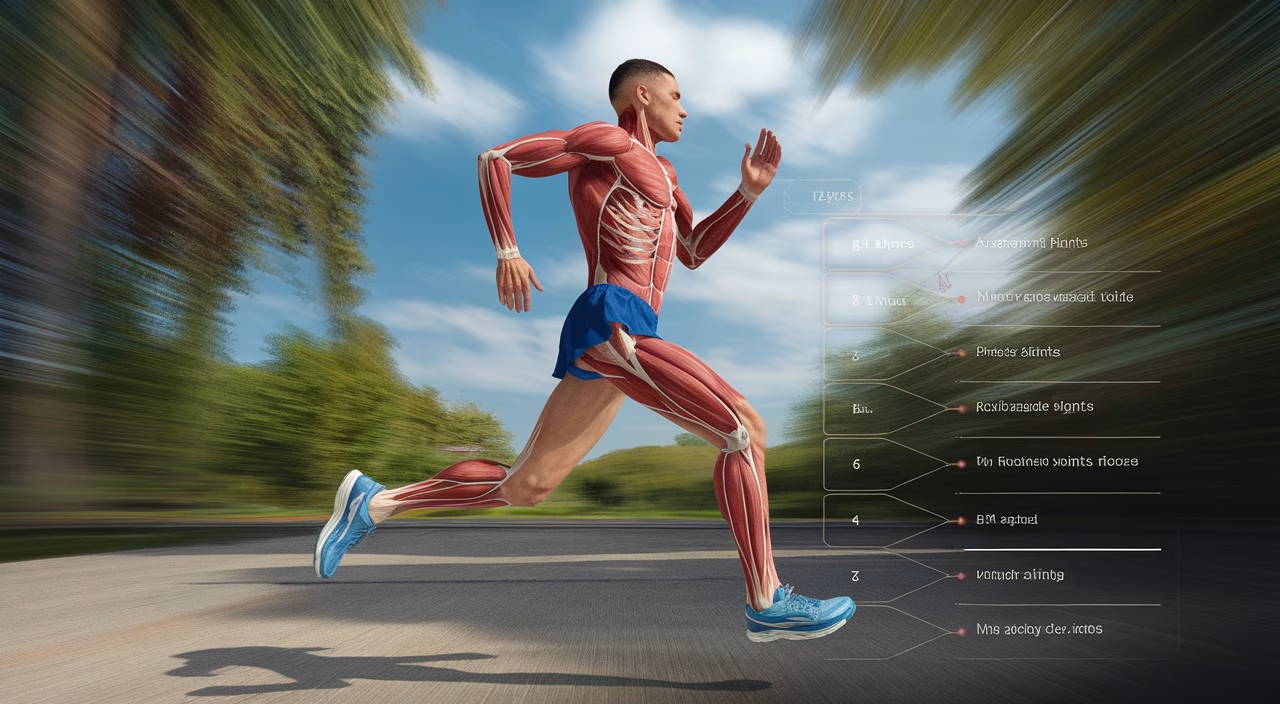
Your stride length is more than just how long your steps are—it’s a powerful lever in your running economy. When your stride length is too long, you’re likely overstriding—landing your foot far ahead of your center of mass. This increases braking forces and places excessive musculoskeletal loads on joints like the knee and hip. Conversely, when you adjust stride length to be more efficient, you can dramatically improve your running performance.
Recent research shows that runners who reduce overstride decrease their musculoskeletal loads—particularly in the tibia and knee. When stride length is optimized (usually slightly shorter with higher cadence), vertical ground reaction forces decrease, reducing cumulative stress on joints and enhancing running biomechanics overall.
This principle is especially crucial for long-distance runners, whose bodies endure repetitive force cycles. Consistent overstriding amplifies impact intensity in each cycle, compounding stress that leads to overuse injuries like medial tibial stress syndrome or even stress fractures.
Importance of Tibial Strain in Running
The tibia—your shin bone—absorbs a large portion of impact force during running. Tibial strain increases with improper form, excessive mileage without adaptation, and especially with aggressive heel striking on hard surfaces. Understanding how to reduce tibial strain is essential for effective stress-fracture prevention and optimal running biomechanics.
A study from leading biomechanics labs observed that when runners improved their form—slightly increasing cadence and correcting stride length—tibial strain was reduced by up to 20%. That’s a major step toward stress-fracture prevention. By adjusting your landing patterns and gradually increasing mileage, you ensure the bone structure adapts safely while maintaining excellent running performance.
Enhancing Performance & Preventing Injuries
Strategies to Optimize Stride Length
Learning how to adjust stride length for performance is a game of balance—not too long, not too short. Here are proven strategies to optimize your running biomechanics:
- Record and review: Use slow-motion video to analyze where your foot lands in relation to your body.
- Increase cadence: A slight rise in steps per minute (180 is commonly cited) usually shortens stride naturally without forcing it.
- Use treadmill drills: Practice with a metronome or cadence app. Maintain form while focusing on posture and foot placement.
- Midfoot landing: Encourage your foot to land closer beneath your hips, ideally midfoot, rather than on the heel ahead of the knee.
It may feel awkward initially—many runners describe it like learning to run all over again—but these adjustments significantly improve running performance and lower injury risk through better biomechanics.
Tips to Reduce Stress-Fracture Risk
Stress fractures develop from repeated stress exceeding your bone’s ability to recover. Here are evidence-based strategies to reduce stress-fracture risk using natural modifications to your running biomechanics:
- Progress gradually: Follow the 10% rule—avoid increasing mileage more than 10% per week.
- Optimize nutrition: Bones need calcium, vitamin D, and sufficient energy availability to rebuild and handle tibial strain.
- Cross-train: Mix low-impact workouts such as swimming or cycling to preserve joint health while maintaining fitness.
- Recover intentionally: Prioritize sleep and include rest days to give bones adequate recovery time.
Techniques for Improving Running Biomechanics
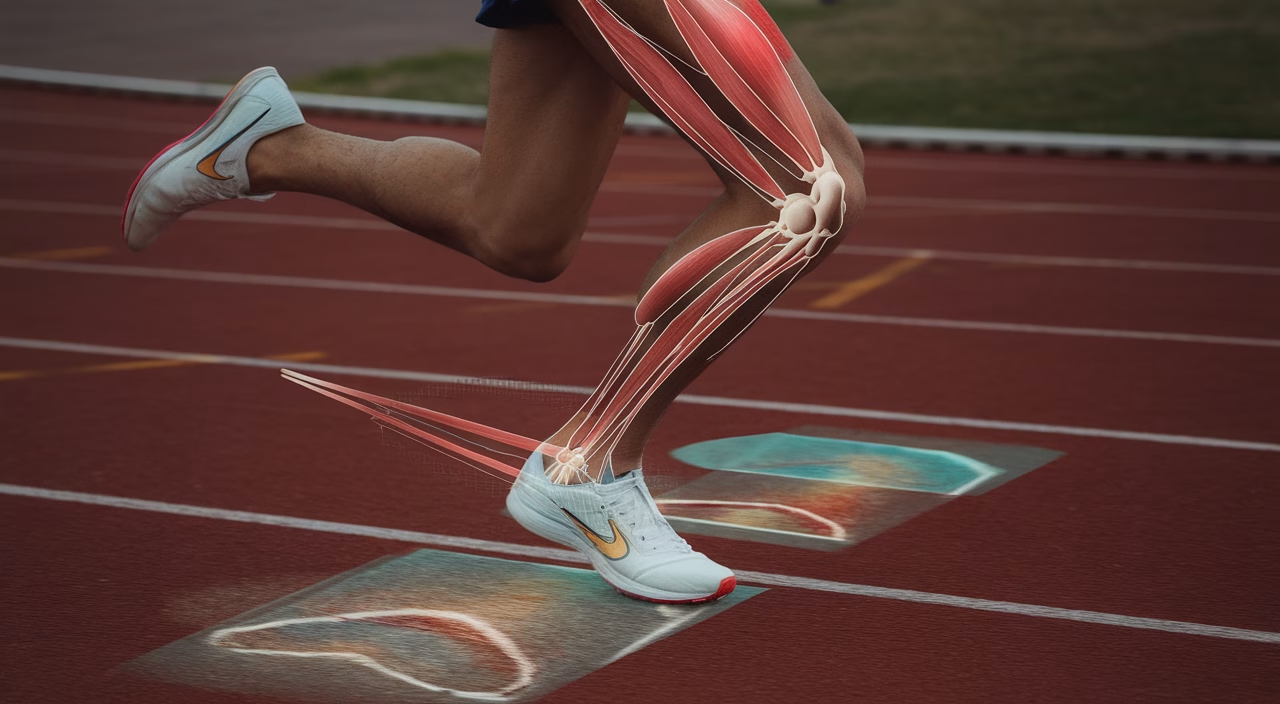
Improving your running mechanics isn’t just for elite athletes. Whether you’re learning to improve running biomechanics as a beginner or training for your next marathon, form optimization is crucial. Here are technique-based steps that work for all levels:
- Postural awareness: Keep your trunk upright, shoulders relaxed, and eyes forward—not down at your feet.
- Arm swing coordination: Maintain elbows at ~90 degrees with smooth swings that sync with leg movement.
- Single-leg drills: Practice balance and hip stability using single-leg squats or hops to build symmetry in your running biomechanics.
- Breathing rhythm: Match your breath to your stride to promote rhythmic flow. Longer runs benefit from a 2:2 breathing pattern.
These techniques help runners build solid habits—especially crucial in early stages to prevent flawed muscle patterns. Better running biomechanics leads to smoother motion, improved endurance, and fewer breakdowns over time.
Real-Life Examples and Case Studies
Let’s examine practical examples of running biomechanics improvements. Consider a collegiate runner experiencing repeated medial tibial pain. Assessment revealed significant overstride, low cadence (~160), and heel striking. After targeted gait retraining focused on stride length optimization and core stability work, tibial strain decreased by 25%, leading to personal bests within 6 weeks.
Another example involves a 40-year-old recreational runner with chronic knee irritation. By implementing strategies to adjust stride length for performance (increasing cadence by just 5%), the runner significantly reduced knee joint loading and returned to pain-free long runs within a month, demonstrating how small changes in running biomechanics create major improvements.
Cost Guide: Biomechanics Optimization for Runners
| Service/Tool | Low-End | Mid-Range | High-End |
|---|---|---|---|
| Running gait analysis | $50 | $150 | $300+ |
| Form coaching/session | $40 | $100 | $200+ |
| Professional strength plans | $30 | $80 | $150+ |
| Online biomechanics courses | $20 | $75 | $250+ |
Final Thoughts
Running biomechanics are the foundation of exceptional performance and proactive injury prevention. Whether you’re chasing a PR or jogging for health, understanding and improving your movement patterns is one of the smartest training investments you can make. With optimized stride length, balanced musculoskeletal loading, and reduced tibial strain, you’re positioning yourself to run not just longer—but stronger and more efficiently than ever before.
Frequently Asked Questions
- What is the #1 mistake that makes bad knees worse?
Overstriding with a hard heel strike places excessive force on the knee joint, worsening pain over time. - How do I know if my stride length is optimal?
Your foot should land under your hip or slightly ahead. Video feedback and cadence checks can help you assess. - Can poor running biomechanics cause injuries even in short runs?
Yes—repetitive poor form, even in short runs, accumulates over days or weeks and can lead to overuse injuries. - Is cadence more important than speed for injury prevention?
Yes. A consistent cadence helps regulate loading patterns and reduces braking forces that cause joint stress. - Should beginners focus on biomechanics immediately?
Absolutely. Building proper form from the start prevents bad habits and makes improvement easier over time. - How long does it take to fix stride mechanics?
It varies, but noticeable changes often start within 2–4 weeks of focused drills and consistent practice. - Are barefoot or minimalist shoes better for running mechanics?
It depends on your structure and experience. Some find improvements, but transitioning too quickly increases injury risk.