
What helps restless legs at night naturally?
If restless legs syndrome has turned your bedtime into a nightly battle, you’re dealing with one of the most common movement conditions affecting millions of adults. The overwhelming urge to move your legs—especially when you’re trying to rest—can leave you exhausted and frustrated. But here’s the encouraging news: natural remedies for restless legs at night can provide significant relief without prescription medications.
TL;DR – Natural Relief for Restless Legs at Night
- Natural Supplements: Magnesium and iron supplements (if deficient) can ease nighttime restless legs symptoms.
- Daily Exercise: Regular gentle activities like walking help reduce the urge to move legs during rest.
- Nutrition Support: Iron-rich foods and anti-inflammatory nutrients support healthy nerve function.
- Better Sleep Habits: A calming bedtime routine prevents restless legs episodes from interfering with sleep.
- Understanding Triggers: Identifying what makes restless legs worse helps you avoid symptom flare-ups.
Understanding Restless Legs Syndrome
Restless legs syndrome is a neurological movement condition that creates an overwhelming urge to move your legs, particularly when you’re trying to relax or sleep. This restless legs condition affects your quality of life by making it nearly impossible to get the rest you need. The sensations—often described as crawling, tingling, or pulling deep within your legs—intensify at night when your body should be winding down.
What Causes Restless Legs?
Understanding what triggers your restless legs syndrome is crucial for finding effective relief. Research shows several key factors contribute to this movement condition:
- Iron deficiency: The strongest correlation exists between restless legs syndrome and iron deficiency—low iron disrupts dopamine regulation in your brain.
- Chronic conditions: Diabetes, kidney disease, and neuropathy significantly increase your risk of developing restless legs.
- Genetics: Up to 60% of people with restless legs syndrome have family members with the same condition.
- Pregnancy: Hormonal changes can trigger temporary restless legs, especially during the third trimester.
- Certain medications: Some antidepressants and antihistamines may worsen your restless legs symptoms.
Common Symptoms of RLS
Recognizing restless legs syndrome symptoms helps you understand when to seek natural remedies for restless legs at night:
- An irresistible urge to move your legs, especially at rest
- Tingling, throbbing, or creeping sensations deep in your legs
- Symptoms that worsen when you’re lying down or sitting still
- Temporary relief when you move or stretch your legs
- Sleep disruption that interferes with your daily quality of life

Natural Remedies and Alternative Treatments
When you’re seeking natural relief from restless legs at night, several evidence-based options can help calm your movement condition without long-term medications. These natural remedies for restless legs focus on supporting your nervous system and addressing underlying triggers.
Herbal Supplements and Essential Oils
- Magnesium: This mineral helps relax muscles and supports healthy nerve function. Magnesium glycinate taken before bed may reduce your urge to move legs during sleep.
- Iron supplements: If you have iron deficiency, addressing this correlation with restless legs syndrome through supplementation can be transformative. Always test your ferritin levels first.
- Valerian root and passionflower: These natural sedatives may reduce nighttime sensitivity and help your nervous system transition to rest.
- Lavender and peppermint oils: Massaging these into your legs or diffusing them in your bedroom promotes circulation and relaxation.
Lifestyle Modifications for Better Sleep
- Sleep environment: Create a bedroom that signals rest—keep it cool, quiet, and dark to prevent restless legs from interfering with sleep.
- Avoid screen time: Blue light from electronics disrupts melatonin production and can intensify your restless legs symptoms at night.
- Mindful wind-down: Deep breathing exercises, gentle journaling, or reading help transition your nervous system from activity to rest.
Lifestyle Changes for Restless Legs Relief
The best lifestyle changes for restless legs relief focus on supporting your overall nervous system health while addressing the root causes of your movement condition. Small daily adjustments can significantly reduce your symptoms naturally.
Diet and Nutrition Tips
- Iron-rich foods: Combat iron deficiency with lean meats, spinach, lentils, and pumpkin seeds—addressing this key correlation with restless legs syndrome.
- Vitamin C: Enhance iron absorption by pairing iron-rich meals with citrus fruits, strawberries, or bell peppers.
- Limit caffeine and alcohol: Both substances can trigger restless legs by overstimulating your nervous system, especially in the evening.
- Stay hydrated: Dehydration makes nerve signals more sensitive, potentially worsening your urge to move legs.
Exercise and Stretching Techniques
Regular movement is one of the most effective lifestyle changes for restless legs relief. These restless leg syndrome exercises can help manage your symptoms:
- Walking or swimming: Gentle aerobic activity improves circulation and may reduce the intensity of your movement condition.
- Yoga: Combining breath work with gentle stretches helps calm your nervous system and provides natural relief.
- Calf and hamstring stretches: Since restless legs sensations often concentrate in these areas, targeted stretching can minimize symptoms.
- Foam rolling: Release muscle tension in your legs before bedtime to reduce nighttime restlessness.
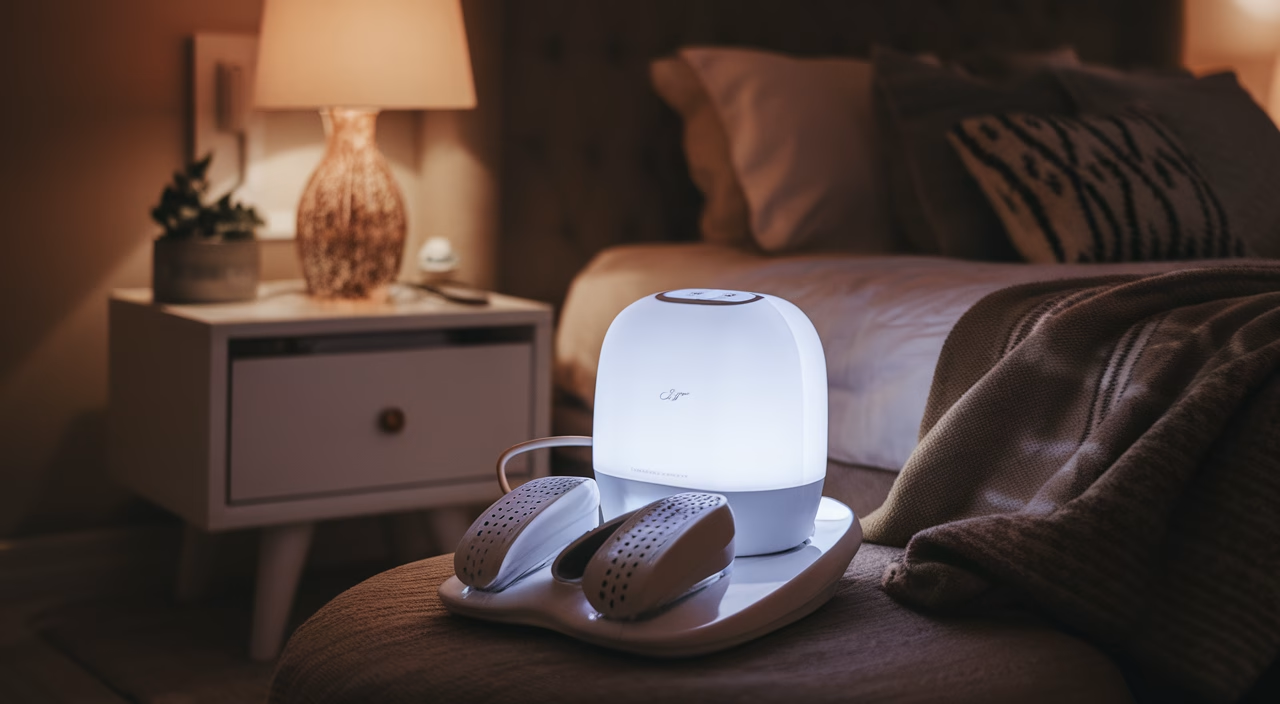
Managing Restless Legs at Night
Nighttime is when restless legs syndrome typically strikes hardest, making it crucial to have strategies that prevent this movement condition from interfering with sleep. These natural remedies for restless legs at night can help you achieve the rest you need.
Creating a Relaxing Bedtime Routine
- Warm bath: A 15-minute soak before bed can ease muscle tension and support dopamine production, reducing your urge to move legs.
- Foot massage: Use moderate pressure along your calves with a relaxing oil to calm restless sensations.
- Weighted blanket: Deep pressure stimulation may reduce the movement urges associated with restless legs syndrome.
Practical Tips for Better Sleep Quality
- Maintain consistent bedtime and wake times to regulate your nervous system
- Elevate your legs slightly to reduce nerve pressure and improve circulation
- If restless legs symptoms strike—get up and do gentle stretches rather than lying in frustration
Cost Guide: Natural RLS Management Options
| Treatment Option | Low-End | Mid-Range | High-End |
|---|---|---|---|
| Magnesium Supplements (Monthly) | $5 | $12 | $30 |
| Essential Oils / Massage Tools | $10 | $25 | $75 |
| Weighted Blanket | $35 | $70 | $150 |
Final Thoughts
Living with restless legs syndrome doesn’t have to mean accepting sleepless nights. By understanding your movement condition, addressing potential iron deficiency, and implementing these natural remedies for restless legs at night, you can significantly improve your sleep quality and overall well-being. The key is consistency—think of these lifestyle changes for restless legs relief as building blocks toward better rest. Start with one or two strategies that feel manageable, and gradually add others as they become habits. Your legs—and your sleep—will thank you.
Frequently Asked Questions
How do I stop restless legs at night naturally?
Try regular stretching, a warm bath before bed, supplementing with magnesium, and creating a calm, screen-free bedtime routine. Keep iron levels in check if low.
What is the best exercise for restless leg syndrome?
Low-impact movement like walking, gentle cycling, or yoga helps promote circulation and reduce nervous system overactivity—especially when done 4–5 times per week.
Can RLS be caused by low iron?
Yes. Iron deficiency is one of the most common underlying triggers of RLS, as it affects dopamine production—essential for nerve transmission and muscle control.
Can changes in diet improve RLS?
Absolutely. Eating more iron-rich foods, limiting caffeine and alcohol, and staying hydrated can significantly support RLS management.
Do natural remedies actually work?
While results vary by individual, many people report real improvements with magnesium, herbal teas, stretching, and lifestyle changes tailored to their triggers.
Is RLS permanent?
Not always. In some cases, RLS is temporary—like during pregnancy or due to medication. However, chronic RLS can be effectively managed long-term with a holistic approach.
What makes restless legs worse at night?
A combination of inactivity, low dopamine levels, stress, and overstimulation from screens or caffeine may intensify symptoms at bedtime.