How Do Hormones Affect Your Skin — And What Can You Do About It?
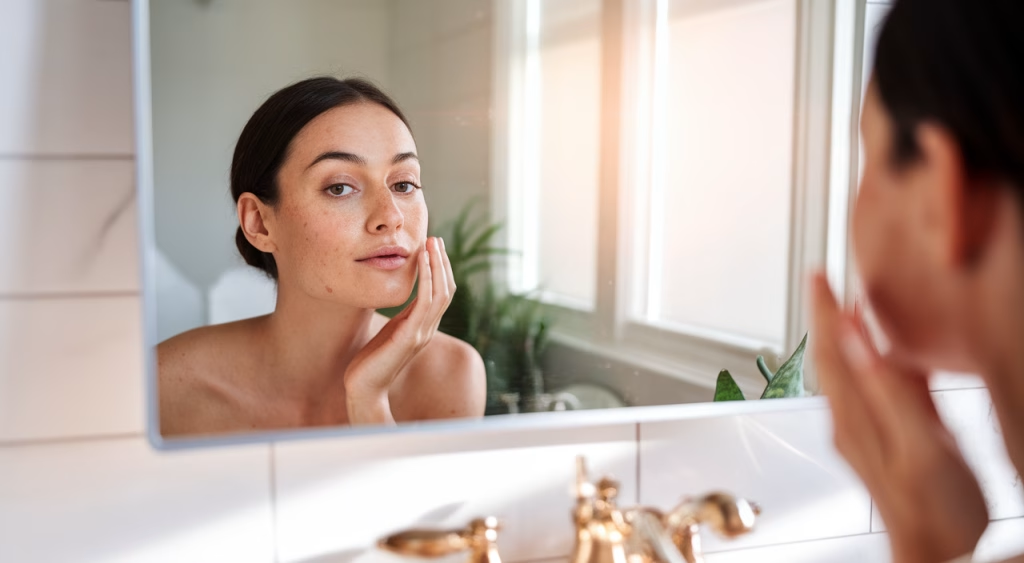
Hormones are powerful messengers within your body, and when they fluctuate, your skin often shows the first signs. From persistent adult acne to sudden dryness during menopause, these internal shifts can leave you wondering: Is it just my skin — or is something deeper going on? The answer is both. Understanding how hormones affecting skin can dramatically change your complexion is the first step to reclaiming healthy, balanced skin.
TL;DR — Quick Summary
- Hormones regulate major skin functions: They influence oil production, skin thickness, hydration, and elasticity.
- Hormonal imbalance and skin issues go hand in hand: Think acne, dryness, dullness, redness, or even rashes.
- Estrogen and testosterone have opposite effects: Estrogen supports collagen and glow, while testosterone can trigger oiliness and breakouts.
- Life stages play a role: Puberty, pregnancy, menstruation, and menopause all shift your hormonal balance.
- Natural remedies are effective: Managing hormonal imbalance naturally through proper sleep, stress management, diet, and gentle products can help reduce skin issues.
- Consider talking to a professional: For persistent issues, hormone therapy and dermatology support may be beneficial.
The Role of Hormones in Skin Health
When it comes to hormones affecting skin, these chemical messengers act as microscopic conductors for your skin’s internal rhythm. Estrogen, testosterone, progesterone, cortisol, and insulin all influence your skin’s behavior in different ways. Once you understand what each hormone does, you can better respond to the signals your skin is sending.
Let’s start with estrogen and collagen production. This hormone plays a starring role in maintaining hydrated, plump skin by boosting collagen production and increasing skin thickness. When estrogen drops, as it does during menopause and skin health challenges arise, the skin becomes thinner, drier, and more prone to fine lines.
Understanding testosterone effects on skin is equally important. This hormone stimulates your sebaceous (oil) glands, which can be both beneficial and problematic. In balanced amounts, oil helps keep your skin moisturized. But when testosterone surges — such as during puberty or hormonal imbalances — it often results in oily skin, clogged pores, and the hormonal acne we all dread.
Other key players in hormonal changes and skin health include:
- Progesterone: Can cause swelling and oiliness, especially before your period.
- Cortisol: Also known as the stress hormone — high levels trigger inflammation and accelerate aging.
- Thyroid hormones: Impact moisture levels and skin turnover — imbalances can cause dry or dull skin.
Effects of Hormonal Imbalance on Skin
When hormone levels stray from their usual patterns, you’ll likely see the effects of hormonal imbalance and skin issues first. Whether it’s persistent adult acne or sudden textural changes, your skin serves as both a reactive and preventative system trying to maintain internal balance.
Hormonal Changes During Menopause
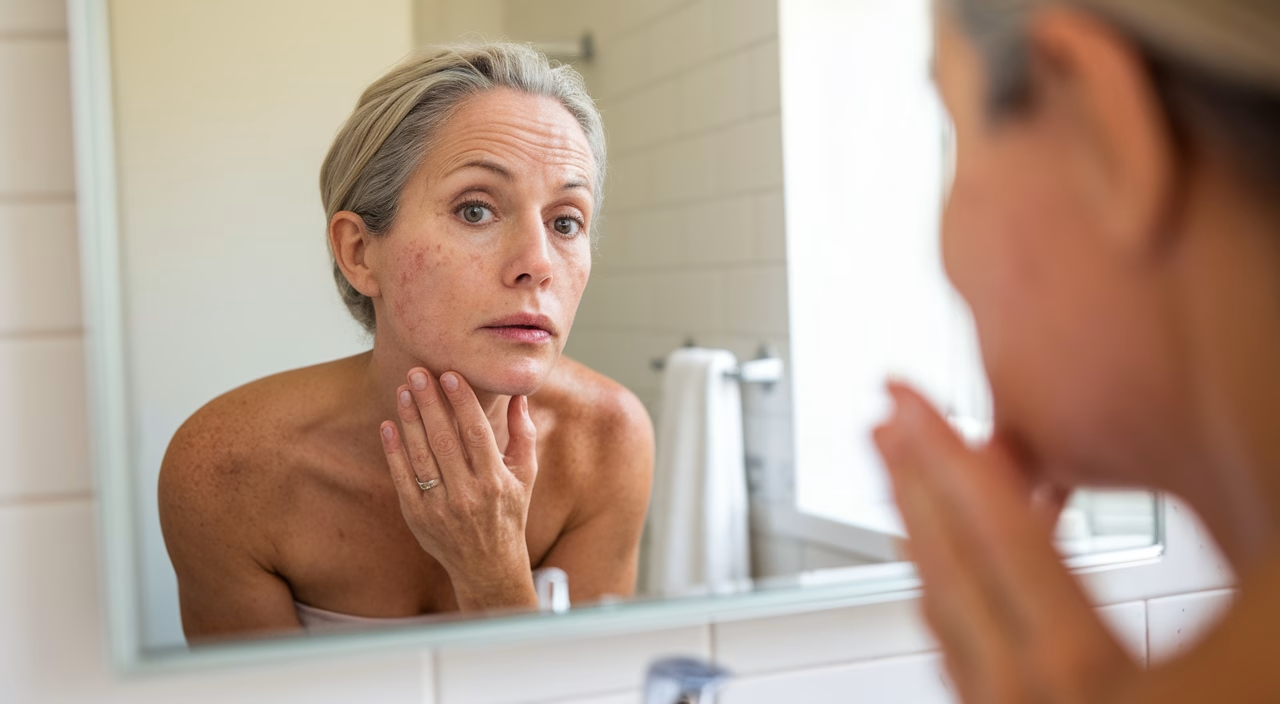
Understanding menopause and skin health is crucial for women approaching this life stage. As estrogen levels drop, the skin loses some of its elasticity and moisture. Many women begin to notice these hormonal changes and skin health impacts:
- Increased dryness or itchiness
- Fine lines and wrinkles forming faster
- Thinning skin and more visible veins
- Delayed wound healing
It’s not just aging — it’s hormonal. This distinction is important because it means your skincare regimen for hormonal skin should support these shifts, not just surface hydration.
Hormonal Acne and Breakouts
If you’re dealing with breakouts that follow a monthly pattern, or acne that didn’t exist in your teenage years but flared in adulthood — that’s a red flag for hormonal acne. Understanding hormonal acne causes can help you identify when it typically shows up:
- Along the jawline or chin area
- Before menstruation or during ovulation
- In deep, cystic form that’s painful to touch
Testosterone effects on skin are a key factor here. Androgens (like testosterone) increase oil production, which can clog pores when combined with bacteria and dead skin cells. If oil production is your volcano, hormones are the magma underneath — setting off eruptions on your face.
Managing Hormonal Changes for Beautiful Skin
Even if you can’t control your body’s natural hormonal fluctuations, you can influence how your skin responds. The key to managing hormonal imbalance naturally is supporting balance — both internally and externally.
Tips for Balancing Hormones Naturally
| Strategy | How It Helps Skin |
|---|---|
| Eat a hormone-friendly diet | Fruits, veggies, omega-3s, and cruciferous vegetables like broccoli support hormone detox. |
| Sleep consistently | 7–9 hours restores cortisol rhythms and hormone repair cycles. |
| Limit sugar & dairy | These can spike insulin and worsen hormonal acne. |
| Exercise gently | Boosts estrogen metabolism and reduces cortisol buildup. |
| Manage stress actively | Chronic stress throws off all hormones — mindfulness and breathing help restore peace. |
Think of managing hormonal imbalance naturally like tending a garden. If your hormones are the roots supplying nutrients, lifestyle choices are the water and sunlight they need to stay healthy.
Skincare Regimen for Hormonal Skin
When dealing with hormonal imbalance and skin issues, treating the skin topically can feel like patching a leak in a sinking boat — but it still matters! By using a targeted skincare regimen for hormonal skin, you can reduce inflammation, protect your skin’s barrier, and prevent secondary damage from breakouts or dryness.
Look for products or ingredients that are:
- Non-comedogenic: So they won’t clog pores.
- Calming: Like niacinamide, green tea extract, and aloe vera for flare-ups.
- Hydrating: Think hyaluronic acid and ceramides during estrogen slump stages.
- Exfoliating in moderation: Use salicylic acid or gentle enzymes 1–2 times a week to unclog pores.
Your skincare regimen for hormonal skin won’t fix the root cause — but it does calm the surface storm while giving your body space to rebalance.
Hormone Therapy and Skin Health
When lifestyle changes and managing hormonal imbalance naturally aren’t enough, you might consider medical options. Hormonal therapy, including birth control pills, hormone replacement therapy, or spironolactone, can help regulate certain imbalances and reduce severe skin-related symptoms. These treatments should always be discussed with a professional.
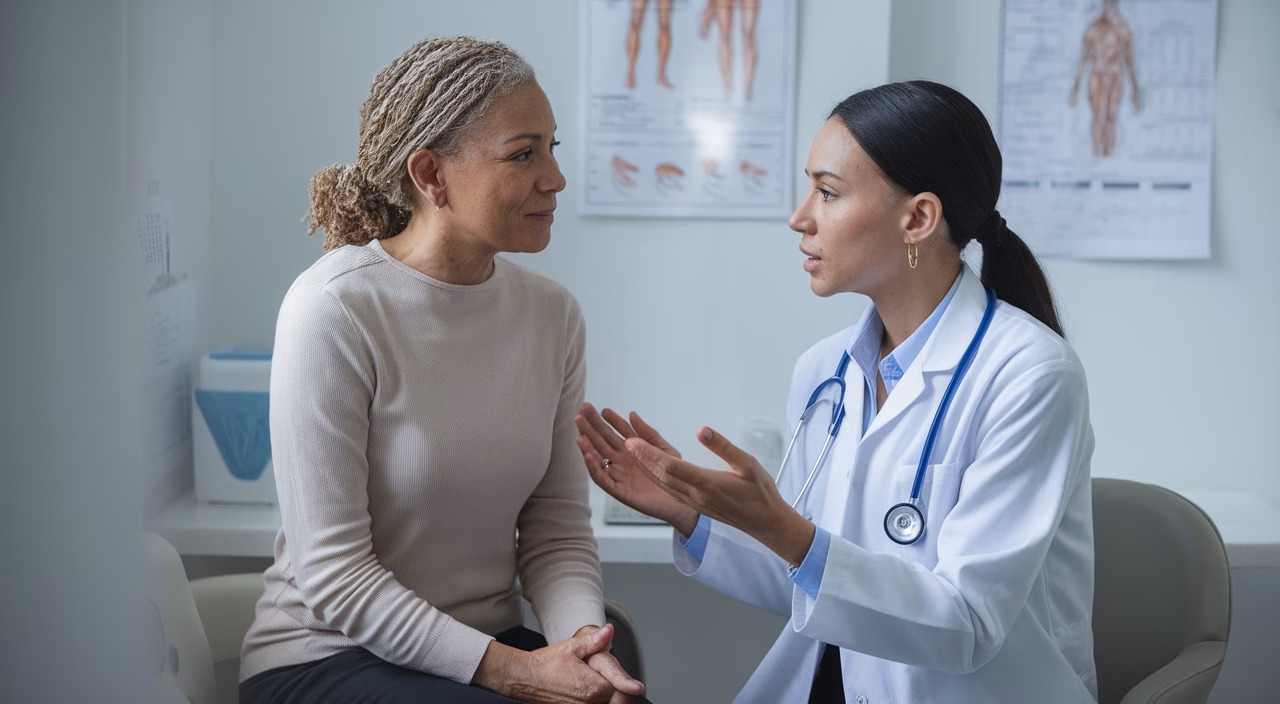
Discussing Treatment Options with a Dermatologist
Dermatologists and endocrinologists often work together to determine what’s underneath your skin symptoms. Don’t be afraid to bring up patterns you’ve noticed about hormones affecting skin:
- Does acne worsen near periods or under stress?
- Are breakouts more inflamed or painful?
- Have you changed diets, birth control, or experienced major life changes?
Most treatment plans for hormonal changes and skin health include a combination of lifestyle shifts, topical support, and (when needed) medication for hormone regulation.
Conclusion: Embracing Hormonal Changes for Healthy Skin
No matter which stage of life you’re in — menstruating, pregnant, perimenopausal, or postmenopausal — your hormones are more than just background chemistry. They’re active players on your skin’s stage. By understanding how hormones affect your skin and learning strategies for managing hormonal imbalance naturally, you’re empowered to show up for your complexion with empathy, strategy, and smart habits. Your skin tells a story — and hormones are just part of its evolving narrative toward healthier, more balanced skin.
Frequently Asked Questions
- What are the main hormones that affect my skin?
Estrogen, testosterone, progesterone, and cortisol are the primary hormones that influence oil production, hydration, sensitivity, and aging. - Why do I get acne before my period?
Right before menstruation, estrogen drops and progesterone rises, which can lead to oilier skin and clogged pores. - Can diet affect hormonal skin issues?
Yes. Diets high in sugar, dairy, or inflammation can worsen hormonal acne, while whole foods support better hormone balance. - Is there skincare specifically for hormonal acne?
Yes. Look for non-comedogenic products with soothing, oil-controlling ingredients like niacinamide or salicylic acid. - Should I get hormone testing for skin issues?
If your acne is persistent, adult-onset, or tied to menstrual cycles, tested hormones can clarify whether imbalances are contributing. - Does menopause always cause dry skin?
Almost always — lowered estrogen leads to reduced oil and collagen, but hydrating skincare and healthy fats in your diet can help. - What treatments help hormonal skin best?
A combined approach: gentle skincare, lifestyle changes, potential hormonal therapy, and professional guidance.