Why is vocal hydration important in vocal fold physiology?
Vocal hydration is essential for keeping your vocal folds flexible, efficient, and injury-resistant. Without proper moisture, your vocal mechanism can suffer from strain, hoarseness, and vocal fatigue—especially during demanding performances or extended singing sessions. When you understand how hydration strategies for singers work, you can protect your voice and enhance your performance quality.
TL;DR: How Hydration Impacts Your Voice
- Prevents injury: Hydrated vocal folds vibrate smoothly, reducing wear and tear.
- Improves performance: Moist vocal folds produce a clearer, more resonant sound.
- Reverses hoarseness: Water combats vocal dryness and scratchiness.
- Supports endurance: Proper vocal hydration extends your vocal stamina.
- Internal + External: Both systemic hydration (drinking water) and surface hydration (humid air) matter.
Understanding Vocal Fold Physiology
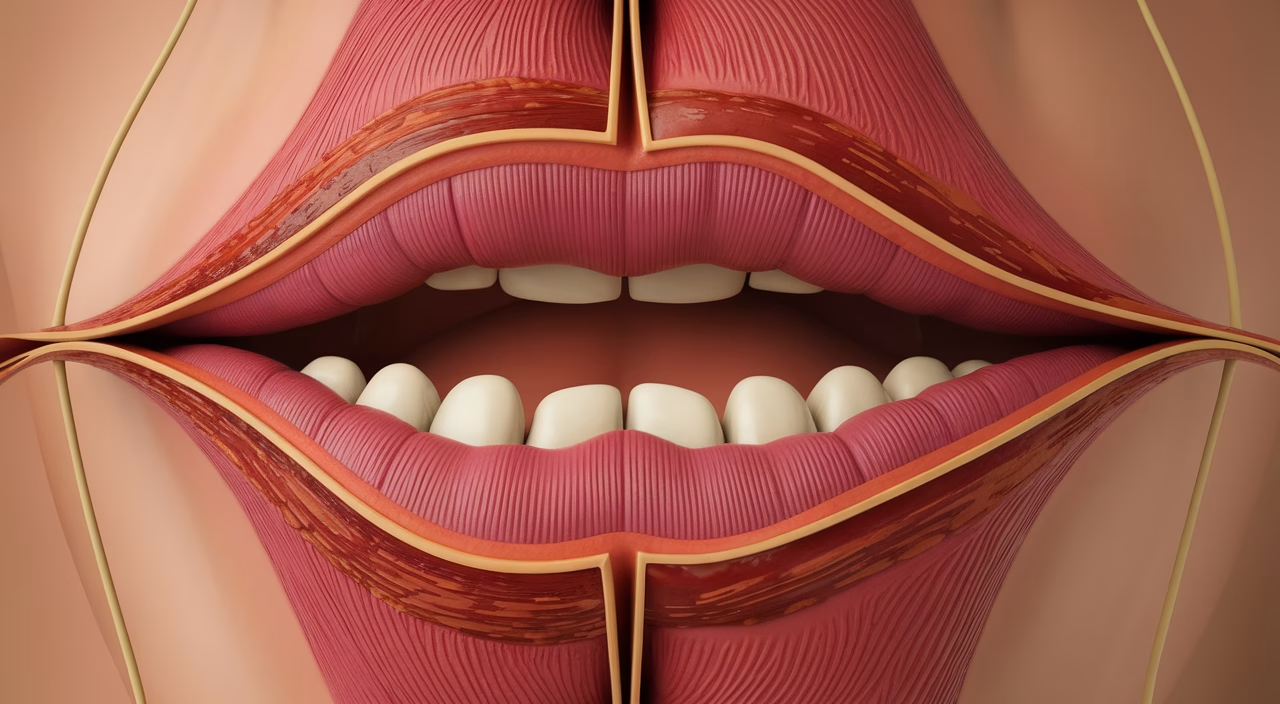
What Are the Vocal Folds, Exactly?
Your vocal folds (often called vocal cords) are two bands of muscle tissue housed in your larynx (voice box). When you breathe, they stay open. When you speak or sing, they come together and vibrate as air passes through, creating sound.
They’re tiny—just a few centimeters long—but they work overtime. In one second of speaking, your vocals folds can vibrate hundreds of times. For singers, the intensity increases dramatically, especially in high registers and prolonged notes where vocal health tips become crucial.
The Role of Mucosal Lining and Water
The upper layer of the vocal folds—the mucosa—is like a soft gel cushion. Think of it like the oil in your car’s engine: it’s essential for reducing friction. Adequate vocal hydration replenishes this mucosa, keeping it elastic and responsive.
A dry mucosa is brittle. And brittle tissue doesn’t handle the stretching and vibrating demands of singing thousands of times a day—this is where preventing vocal fold dehydration becomes vital for your voice health.
Impact of Dehydration on Vocal Health
What Happens When the Vocal Folds Dry Out?
Dry vocal folds don’t glide—they grind. Dehydration causes the mucosal lining to stiffen, requiring more effort to produce sound. That increased effort leads to vocal fatigue and can even trigger lesions or nodules over time—making vocal health tips essential for every performer.
Here are some symptoms of dehydration on vocal function:
- Hoarseness or raspiness
- Voice breaks or unpredictability
- Loss of vocal range (especially high notes)
- Frequent throat clearing
- Feeling the need to push sound out
Drying Challenges Modern Vocalists Face
Many environments work against vocal hydration:
- Air travel: Cabin pressure and dry air sap moisture quickly.
- Indoor heating/cooling: Climate-controlled rooms reduce humidity.
- Talking over noise: Elevating your voice increases friction.
- Caffeine and alcohol: Diuretics that pull fluids from your body.
Stack several of these in one day—like traveling to a performance, warming up backstage, and then giving a 2-hour set—and your vocal folds can go from supple to screaming for help. This is why hydration strategies for singers must be comprehensive.
Hydration Strategies for Vocal Performers
Internal (Systemic) Hydration
Systemic hydration refers to drinking enough water over time so that fluids nourish all tissues—including your vocal folds. But here’s the crucial point: drinking water doesn’t instantly moisten your vocal folds. It can take hours to fully integrate into the laryngeal tissues.
That’s why consistent vocal hydration—not just gulping water before a gig—is the golden rule for singers.
- Aim for 6–8 full glasses daily (more if you’re active or in dry air).
- Include high-water foods like cucumbers, melons, oranges.
- Use hydration tracking apps if you tend to forget—this simple vocal health tip can transform your routine.
External (Surface) Hydration
Surface hydration involves keeping the surrounding air moist and using strategies to directly bathe your vocal folds in humidity—a key component of preventing vocal fold dehydration.
- Use a humidifier: Especially while sleeping—nighttime dryness is common.
- Steam your voice: Inhale steam before and after voice use.
- Avoid drying agents: Limit alcohol, caffeine, and smoke exposure.
Practical Tips for Vocal Hydration
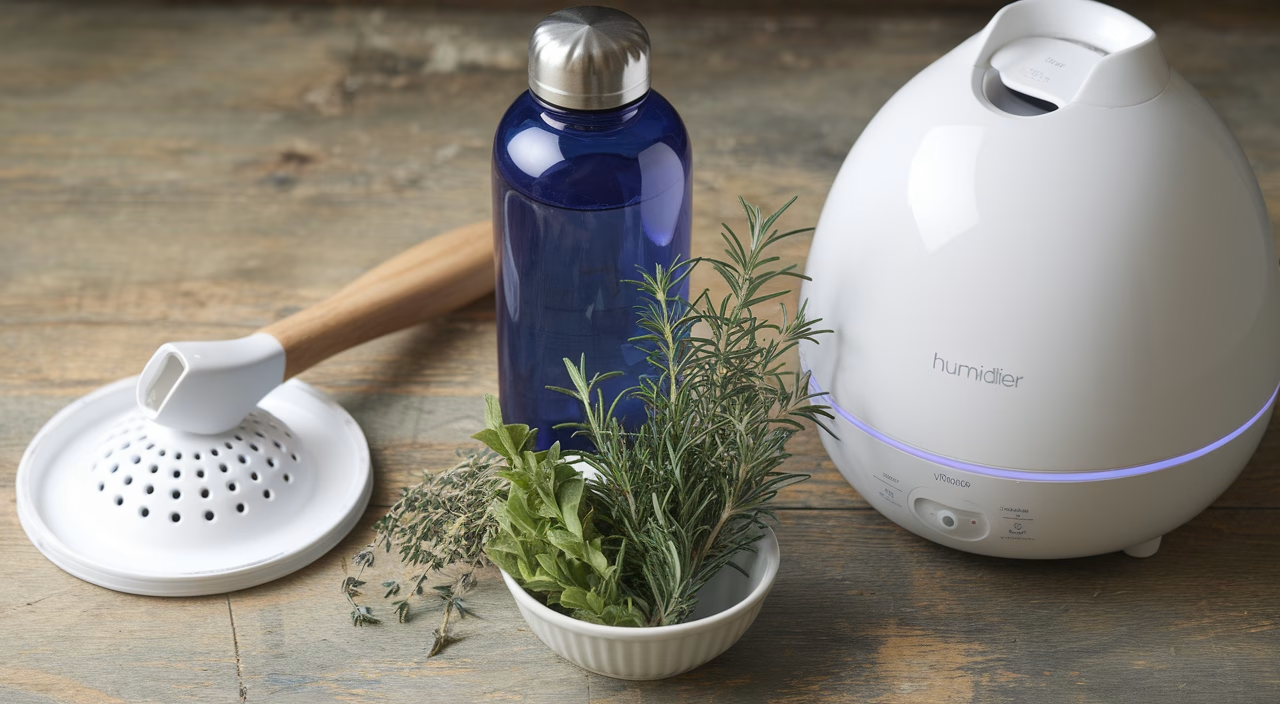
Everyday Vocal Health Tips for Hydration
These daily habits will keep your voice in peak condition and support proper vocal hydration:
- Begin your day with water—not caffeine.
- Match your caffeinated drinks with extra water (one cup of water per coffee).
- Warm up gently with humming or lip trills instead of pushing full voice.
- Carry a water bottle everywhere—and actually sip it throughout the day.
- Use natural throat mists or lozenges designed for vocal comfort.
Preventing Vocal Fold Dehydration On Performance Days
Here’s how singers, actors, and speakers prepare for high-demand days using proven hydration strategies for singers:
- Steam in the morning and 30 minutes before stage time.
- Avoid alcohol or late-night parties before a performance.
- Don’t whisper—soft speech without airflow can be more damaging.
- Create a pre-performance vocal hydration schedule.
- Keep a thermos of warm, non-dairy tea with honey backstage.
Cost Guide: Hydration Tools
| Tool | Low-End | Mid-Range | High-End |
|---|---|---|---|
| Humidifier | $20 | $50 | $120 |
| Steam Inhaler | $15 | $35 | $100 |
| Water Bottle (insulated) | $10 | $25 | $50 |
| Hydration Tracking App | Free | $5 | $10 |
Conclusion
When it comes to your voice, proper vocal hydration truly is life. Understanding hydration in vocal fold physiology doesn’t require a medical degree—it just takes awareness and intention from every singer and performer.
If you’re a singer, public speaker, or voice actor, these vocal health tips aren’t just trivia—they’re your competitive edge. Stay vigilant about implementing hydration strategies for singers, build sustainable habits for preventing vocal fold dehydration, and your voice will return the favor with clarity, power, and resilience that lasts throughout your career.
Frequently Asked Questions
- How much water should singers drink per day?
Most experts recommend 6–8 glasses for optimal vocal hydration, but adjust based on activity level and environment. - How long before performing should I hydrate?
Ideally, start hydrating 24 hours ahead. Immediate sips won’t have full systemic effect on your vocal fold physiology. - Is steam inhalation really effective for vocal health?
Yes, steam provides surface hydration and is one of the most effective vocal health tips when used before and after voice use. - Do caffeine and alcohol really dry out the voice?
Yes, both are diuretics and contribute to systemic dehydration which directly affects vocal hydration and vocal fold function. - Why does my voice get hoarse even if I drink water?
External factors (dry air, overuse, illness) can offset internal vocal hydration. Surface hydration strategies for singers may be needed too. - What foods help with vocal hydration?
Fruits and veggies with high water content—melons, oranges, cucumbers—assist daily hydration and support preventing vocal fold dehydration. - Is whispering bad for dehydrated vocal folds?
Yes. Whispering strains the folds as they often stay rigid during articulation—speak softly instead to protect your vocal health.