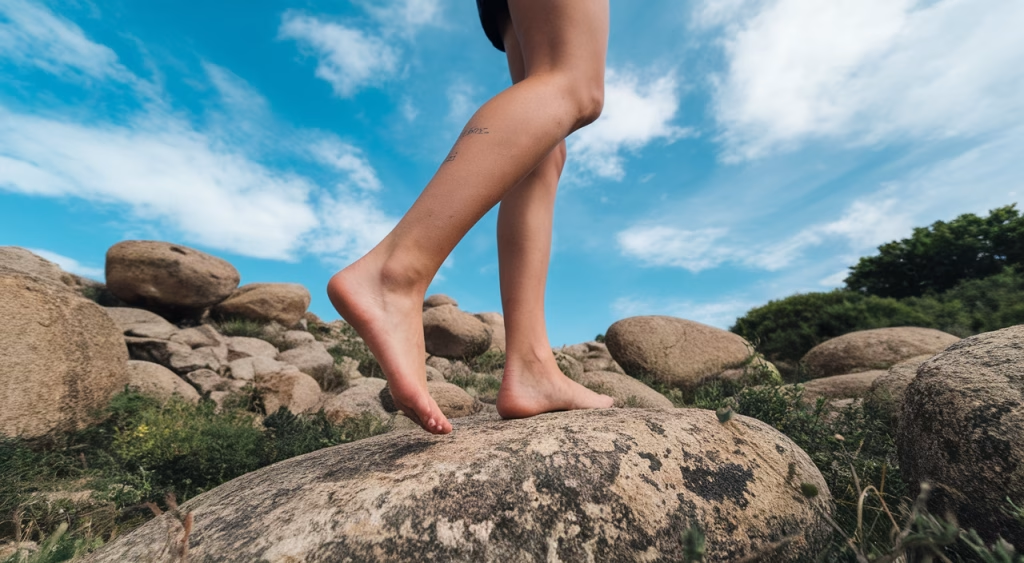
What are High Arch Feet and Why Should You Pay Attention?
High arch feet—clinically known as Pes Cavus—occur when the arch along the inside of your foot is raised significantly higher than normal. This structural condition affects how your feet distribute weight and absorb impact, often leading to pain, instability, and increased injury risk. Understanding this condition is crucial for maintaining foot health and preventing long-term complications.
TL;DR: What You Need to Know About Pes Cavus
- High arch feet can be inherited or develop due to neurological conditions.
- Common symptoms of high arch feet include heel pain, ball-of-foot discomfort, ankle instability, and calluses.
- Treatment for high arch feet ranges from custom orthotics and supportive footwear to surgery in severe cases.
- Targeted exercises for high arch feet strengthen ankle stability and improve balance.
- Age-specific treatment ensures personalized care for children, adults, and seniors.
- Real-life experiences demonstrate how proactive care helps overcome ankle instability challenges.
Understanding High Arch Feet: The Foundation Problem
When you have high arch feet, your foot structure creates an uneven weight distribution pattern. Instead of spreading pressure evenly across your sole, most of your body weight concentrates on the heel and ball of your foot. This imbalance affects your gait and can trigger problems throughout your kinetic chain—from your ankles all the way up to your spine.
Unlike flat feet, which are relatively common, Pes Cavus affects fewer people but often comes with additional challenges like muscle tightness or neurological complications. You might experience only mild discomfort initially, or you could face significant lifestyle disruptions from recurring ankle sprains and persistent foot pain.
The causes of high arch feet vary significantly. Some people inherit this foot structure genetically, while others develop it gradually due to underlying neurological conditions such as Charcot-Marie-Tooth disease, cerebral palsy, or spinal cord abnormalities.
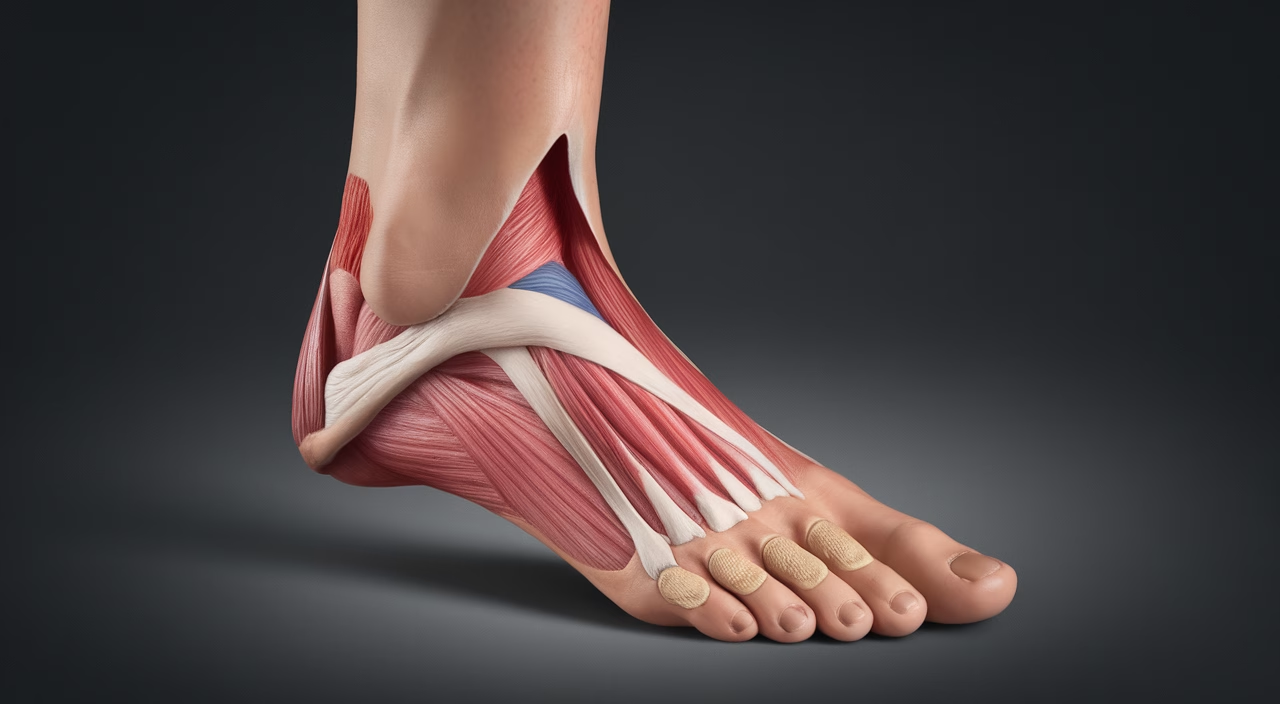
Causes and Symptoms of Pes Cavus
What Causes High Arch Feet?
- Genetics: Many people are born with high arch feet due to inherited structural patterns passed from parents to children.
- Neurological disorders: Conditions like muscular dystrophy, spina bifida, or nerve damage can cause muscle imbalances that create abnormally high arches.
- Injury or trauma: Previous injuries to the foot, ankle, or nervous system may contribute to developing Pes Cavus over time.
Recognizing the Key Symptoms
The symptoms of high arch feet vary based on severity and underlying causes. Mild cases might present subtle signs like occasional foot fatigue, while severe cases can significantly impact mobility and balance.
- Persistent arch pain or heel discomfort, especially after prolonged standing
- Thick calluses forming under the ball or outer edge of the foot
- Claw toes or hammer toes that curl abnormally
- Frequent ankle sprains and chronic ankle instability
- Balance problems and coordination difficulties
If you regularly experience two or more of these symptoms, we recommend consulting with a podiatrist or orthopedic specialist for proper evaluation and treatment planning.
Comprehensive Treatment Options for High Arch Feet
Non-Surgical Treatment Approaches
The encouraging news is that most cases of high arch feet respond well to conservative treatment methods. These non-invasive approaches often provide significant symptom relief:
- Custom orthotic devices: Specially designed insoles redistribute pressure points and provide targeted arch support.
- Supportive footwear: Shoes with enhanced cushioning, proper arch support, and stability features.
- Ankle bracing: Supportive braces improve balance and prevent ankle rolling injuries.
- Physical therapy: Targeted strengthening exercises and stretching programs address muscle imbalances.
When Surgical Intervention is Necessary
If your Pes Cavus causes severe foot deformity or chronic pain unresponsive to conservative treatment for high arch feet, surgical options may be considered. Procedures can include tendon transfers, bone realignment (osteotomies), or joint fusion, but recovery typically requires several months and should be viewed as a last resort.
Age-Specific Treatment for High Arch Feet
| Age Group | Recommended Treatment |
|---|---|
| Children | Custom inserts, activity modification, regular monitoring |
| Teens | Structured stretching programs, proper footwear education |
| Adults | Physical therapy, advanced orthotics, ankle stabilization training |
| Elderly | Fall prevention strategies, comfort bracing, adaptive footwear |
Targeted Exercises and Preventative Measures
When you have high arch feet, your surrounding muscles become the key support system. Strengthening and stretching these muscles helps stabilize your entire lower body and prevents future complications. Here are proven exercises you can perform safely at home.
Most Effective Exercises for High Arch Feet
- Towel toe curls: Place a towel under your feet and use your toes to grip and pull it toward you, building intrinsic foot muscle strength.
- Progressive calf stretches: Tight Achilles tendons worsen Pes Cavus symptoms. Perform 30-second stretches twice daily.
- Plantar fascia rolling: Roll a tennis ball or frozen water bottle under your arch to reduce tension and improve flexibility.
- Single-leg balance training: Practice standing on one foot for 30-60 seconds to strengthen ankle stabilizers.
- Resistance band exercises: Use elastic bands to strengthen the small stabilizing muscles around your ankles.
Essential Preventative Measures for Pes Cavus
- Choose shoes with adequate heel cushioning and avoid overly rigid soles
- Inspect your shoes weekly for unusual wear patterns that indicate gait problems
- Maintain consistent foot and ankle stretching routines
- Wear moisture-wicking, padded socks to prevent callus formation
These preventative measures help keep your high arch feet functional and comfortable. Remember, prevention remains the most effective approach to managing Pes Cavus complications.
Cost Guide: Estimated Prices for Treatment
| Treatment Option | Estimated Cost Range |
|---|---|
| Custom Orthotics | $200 – $800 |
| Physical Therapy | $50 – $150 per session |
| Supportive Footwear | $75 – $250 |
| Bracing | $50 – $300 |
| Surgery | $5,000 – $15,000+ |
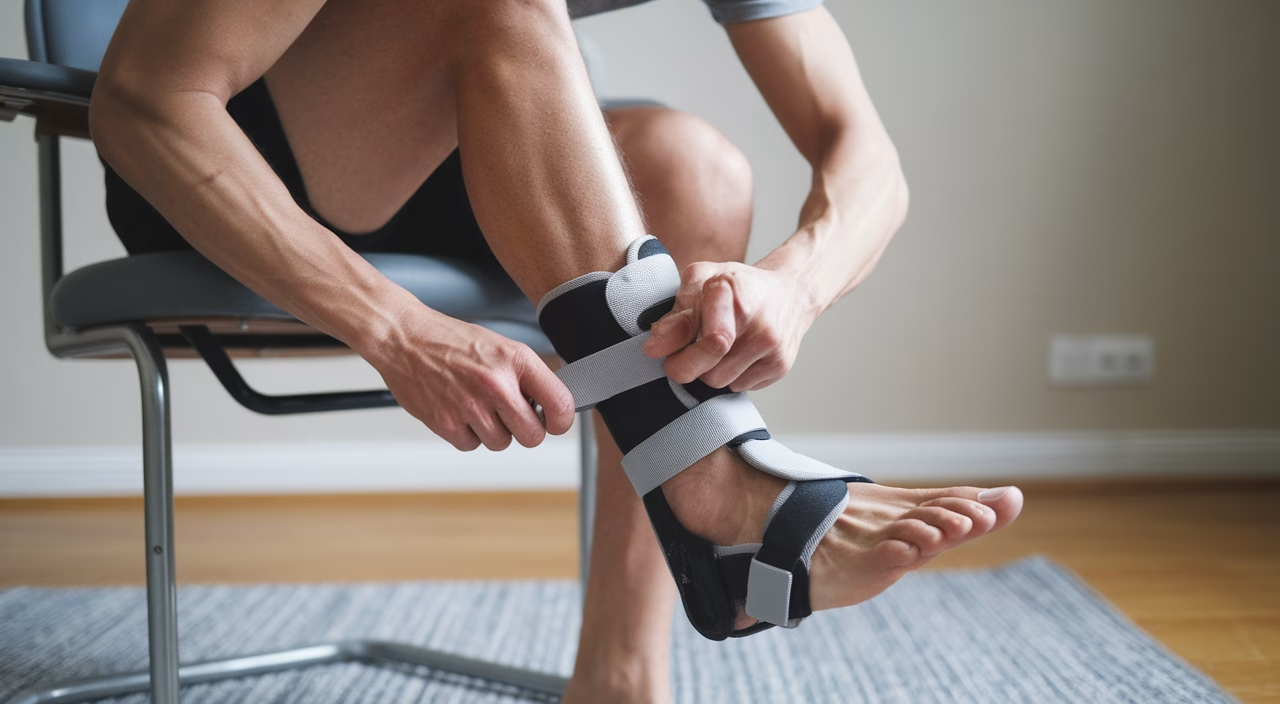
Real Stories: Overcoming Ankle Instability
Understanding treatment options is important, but hearing from real people who’ve successfully managed high arch feet provides invaluable perspective. These stories show how individuals have overcome ankle instability and related challenges.
Athlete’s transformation: Ryan, a competitive soccer player, struggled with recurring ankle sprains that threatened his career. After discovering his high arch feet were the root cause, he worked with a sports medicine team to develop a comprehensive treatment plan. Through targeted balance training and specialized cleats with custom orthotics, Ryan returned to competition stronger and more confident than before.
Workplace wellness: Sarah spent long hours standing at her retail job, attributing her foot pain to hard floors and long shifts. When she finally sought help, custom orthotics specifically designed for her high arch feet transformed not only her posture but also her daily energy levels and overall job satisfaction.
Teen confidence boost: Lisa, a 14-year-old student, experienced frequent falls and felt embarrassed about her balance issues. After diagnosis revealed mild ankle instability related to Pes Cavus, a simple combination of daily stretching routines and lightweight ankle braces dramatically improved her stability and self-confidence at school.
These real-life experiences with ankle instability demonstrate that healing encompasses both physical recovery and emotional well-being.
Building Long-Term Foot Health and Stability
Living with high arch feet doesn’t condemn you to a life of pain or constant fear of injury. The key lies in understanding your unique foot structure and providing the targeted support it requires. Whether you’re managing daily activities or pursuing athletic goals, Pes Cavus can be effectively controlled with the right comprehensive approach.
Simple but consistent changes—investing in supportive footwear, performing targeted exercises for high arch feet, and implementing smart preventative measures for Pes Cavus—can protect your entire kinetic chain from foot to spine. When challenges arise, you now have a clear roadmap for seeking appropriate care and support. While high arch feet may influence your gait pattern, they don’t have to limit your lifestyle or activities.
Frequently Asked Questions
- What happens if your foot arch is too high?
A high arch can create uneven pressure on your foot, leading to pain in the heel and ball, balance issues, frequent ankle sprains, and even long-term joint pain. - Can you fix high arch feet?
While you can’t always change the structure, you can manage symptoms with physical therapy, orthotics, and, in some cases, surgery. - What shoes are best for high arches?
Look for shoes with extra cushioning at the heel and good arch support. Stability features are also a bonus for preventing ankle rolls. - Do high arches affect balance?
Yes, people with high arches often experience balance problems due to poor shock absorption and weak ankle muscles. - Is ankle instability the same as weak ankles?
Not exactly. Ankle instability often results from repeated sprains or poor foot structure (like high arches), making your ankle feel wobbly or unsafe. - What are early signs of Pes Cavus?
Early signs include arch discomfort, tired feet, hardened skin under the toes, and frequent ankle twists. - Are high arches genetic?
Yes, many people with high arches inherit them, but they can also appear after neurologic or muscular issues develop.