Does Coffee Help or Hurt Your Gut Microbiota?
The effects of coffee on gut microbiota can be both beneficial and disruptive—depending on how you consume it. Compounds in coffee, like phenolic acids and melanoidins, provide powerful antioxidant and antimicrobial effects that support healthy bowel functions and enhance microbial diversity. However, excessive acidity, sugar, or added creamers can undermine these remarkable benefits for your digestive system.
TL;DR — Key Takeaways
- Coffee supports gut health: Polyphenols such as chlorogenic acid in coffee nourish beneficial bacteria and improve gut microbiota balance.
- Helps regulate bowel movements: Coffee consumption promotes peristalsis, aiding smoother digestion and bowel regularity.
- Melanoidins act as prebiotics: These coffee compounds fuel beneficial microbes and support optimal microbial balance.
- Has antimicrobial properties: Coffee’s antimicrobial effects are particularly impactful against certain gram-positive bacteria.
- Brewing and bean choice matter: Lighter roasts and unsweetened brews offer more microbiota-friendly compounds for gut health.
- Overconsumption can backfire: Too much coffee may irritate the gut lining and disrupt gut microbiota in sensitive individuals.
Understanding Gut Microbiota
Your gut microbiota is a bustling metropolis of over 100 trillion microorganisms—bacteria, fungi, and viruses—each playing a crucial role in digestion, immunity, and mental health. When balanced, this complex ecosystem helps break down complex carbohydrates, produce vital vitamins like B12 and K, and protect against harmful pathogens that threaten your digestive wellness.
Importance of Gut Health
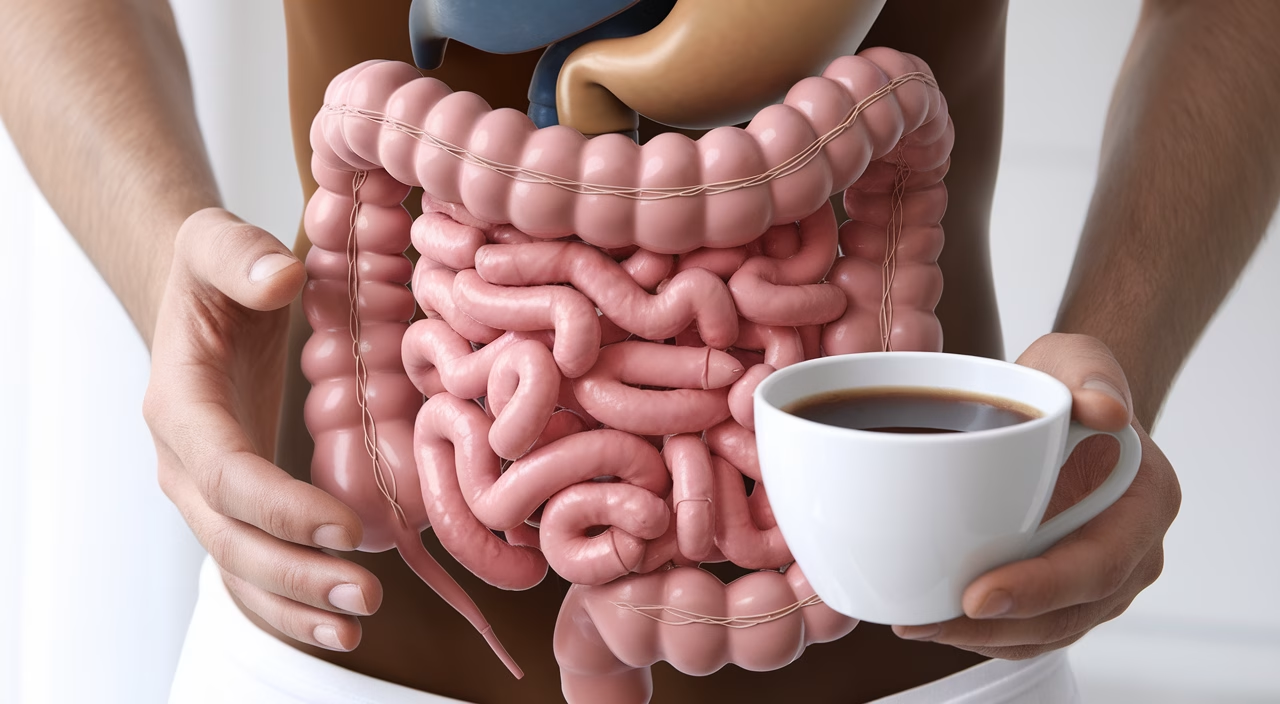
A well-nourished and diverse gut microbiota serves as your frontline defense for far more than just digestion. The effects of coffee on gut microbiota can enhance:
- Bowel regularity: preventing constipation or diarrhea through improved gut function
- Immune resilience: controlling inflammation and fighting infections more effectively
- Mental balance: influencing mood and cognitive function via the gut-brain axis
- Hormonal balance: metabolizing estrogen and other vital hormones for optimal health
When your gut microbiota becomes unbalanced, you may experience bloating, irregular bowel movements, or even chronic conditions like IBS and leaky gut syndrome.
Role of Coffee in Gut Health
Coffee isn’t just your morning ritual—it’s a liquid antioxidant powerhouse that can significantly impact your gut microbiota. Emerging research reveals a clear connection between regular, moderate coffee consumption and healthier microbial diversity. The effects of coffee on gut microbiota stem from its rich content of:
- Phenolic acids: such as chlorogenic acid, which nourish beneficial gut flora and support digestive health
- Melanoidins: compounds formed during roasting that function like prebiotics, feeding good bacteria
- Caffeine: which stimulates gut motility and promotes regular bowel movements
Effects of Coffee on Bowel Functions
Many coffee drinkers experience a predictable “urge to go” after their morning brew. This isn’t coincidence—coffee consumption actively stimulates the distal colon and increases gut motility, helping move stools along your digestive tract more efficiently and supporting overall bowel functions.
Coffee Consumption and Bowel Movements
Here’s what happens in your digestive system when you sip that first cup:
- Increased gastrin release: This hormone stimulates acid production, enhancing digestion and gut function.
- Colon muscle stimulation: Coffee consumption spurs contractions and peristalsis in the colon for better bowel movements.
- Relaxation of anal sphincter: Coffee may increase rectosigmoid activity, naturally prompting elimination.
This is why many people rely on coffee consumption to ease morning constipation and help regulate their bowel functions throughout the day.
Phenolic Acids and Melanoidins
Let’s explore two superstar compounds in your coffee cup and their effects on gut microbiota:
| Compound | Functions | Gut Impact |
|---|---|---|
| Phenolic Acids | Antioxidant, modulate inflammation | Feed beneficial bacteria like Bifidobacteria |
| Melanoidins | Formed during roasting, fiber-like actions | Act as prebiotics, enhance short-chain fatty acids |
These bioactive compounds pass through to your colon, where they directly interact with gut microbiota. Melanoidins in particular reach the large intestine undigested, acting similarly to dietary fiber by feeding beneficial bacteria and supporting optimal gut health.
Optimizing Gut Health with Coffee
Not all coffee delivers the same benefits for gut microbiota—some brews may actually disrupt microbial balance, especially those loaded with sugar, artificial creamers, or excessive acidity. Here’s how to harness coffee’s gut-friendly potential and maximize the positive effects of coffee on gut microbiota.
Best Types of Coffee for Gut Health

- Light to medium roast: Higher in chlorogenic acid and antioxidants that benefit gut microbiota
- Black or minimal additives: Maximizes gut health benefits without sugars that harm beneficial bacteria
- Cold brew: Lower acidity may be better tolerated by sensitive digestive systems
- Organic beans: Free of pesticides that may negatively impact gut microbiota populations
Tips for Improving Gut Microbiota
Use your coffee consumption strategically to enhance gut health:
- Pair with fiber-rich meals: Include oatmeal or whole grain toast to further nourish gut microbiota and support bowel functions.
- Stay hydrated: Coffee is mildly diuretic; drink plenty of water to support optimal digestion and gut health.
- Avoid drinking coffee on an empty stomach: This can upset your gut lining and reduce the positive effects on gut microbiota.
- Time it right: Drinking coffee mid- or late-morning aligns better with your natural cortisol rhythm and gut function.
Cost Guide: Coffee for Gut Health in Singapore
| Type | Price Range (SGD) |
|---|---|
| Instant Coffee (basic) | $5–$10 |
| Fresh Ground Coffee (local roasters) | $15–$25 |
| Specialty Organic Beans | $30–$50 |
Frequently Asked Questions
What is the best coffee for gut health?
Light or medium roast organic coffee, served black or with minimal additives, provides the most beneficial effects on gut microbiota and supports optimal microbial balance.
Why does coffee make me poop?
Coffee consumption stimulates the colon and increases motility due to its impact on gastrin and motor activity, promoting more frequent and regular bowel movements.
Can too much coffee harm gut microbiota?
Yes. Excessive coffee consumption can irritate the gut lining and reduce beneficial bacteria in sensitive individuals. For optimal gut health, stick to 1–3 cups daily to maintain positive effects on gut microbiota.
Is decaf coffee also good for the gut?
Yes, decaf typically retains beneficial phenolic acids like chlorogenic acid that support gut microbiota, although some antioxidant levels may be reduced through processing.
Does coffee kill gut bacteria?
Coffee’s antimicrobial effects can suppress certain gram-positive bacteria, but usually not to harmful levels when consumed in moderation, actually helping maintain healthy gut microbiota balance.
Can coffee help with constipation?
Absolutely. Coffee consumption stimulates colon activity and bowel functions, helping many people relieve constipation, especially when paired with fiber-rich foods that nourish gut microbiota.
Should I drink coffee on an empty stomach?
It depends on your tolerance. Some people experience acid reflux or gut irritation that can disrupt gut microbiota. Consider having a light meal first for better digestive health results.