What are the best foods that protect your skin from sun damage naturally?
Certain antioxidant-rich whole foods like tomatoes, fatty fish, and leafy greens help protect your skin against UV damage by strengthening internal defenses, reducing inflammation, and repairing cellular stress caused by sun exposure.
- Tomatoes: Rich in lycopene to reduce sunburn risk
- Fatty Fish: Packed with omega-3s for anti-inflammatory protection
- Green Tea: Contains EGCG, a powerful free radical fighter
- Beta-Carotene Foods: Sweet potatoes and carrots provide internal UV defense
- Dark Chocolate: High-flavanol content protects and hydrates skin
- Leafy Greens: Loaded with vitamins A, C, E, and lutein
- Nuts & Seeds: Excellent sources of vitamin E for cellular stability
- Bell Peppers: More vitamin C than oranges for collagen and protection
- Watermelon: Hydrating and rich in lycopene
- Pomegranates: Ellagic acid to improve skin’s UV resistance
Let’s dive deeper and see why these 10 foods are your secret arsenal in natural sun damage protection.
Supercharge Your Natural Skin Defense with These Top 10 Foods
1. Tomatoes: A Lycopene-Powered Shield
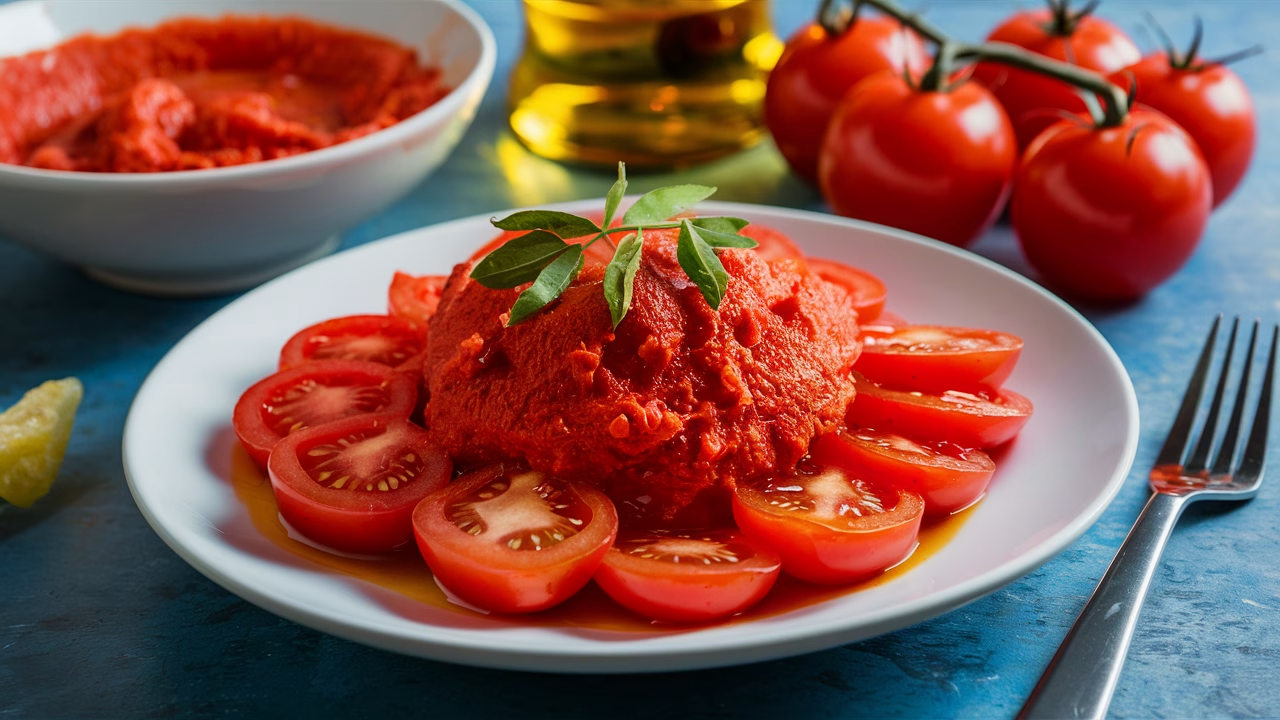
Think of tomatoes as nature’s internal sunscreen. High in lycopene — the antioxidant that gives them their red hue — tomatoes can reduce your skin’s sensitivity to UV rays. Lycopene neutralizes free radicals created by solar radiation, which prevents oxidative stress that leads to premature aging and sunburn. This natural sun damage protection works from within to strengthen your skin’s defenses.
Pro Tip: Cooking tomatoes enhances the bioavailability of lycopene. A warm bowl of tomato soup or a spoonful of tomato paste with olive oil perks up more than your taste buds — it boosts your skin’s resilience, too.
2. Fatty Fish: Omega-3s to Reinforce Skin Barrier
Salmon, sardines, and mackerel are packed with omega-3 fatty acids, which do wonders for maintaining skin integrity. These antioxidants for skin reduce inflammation triggered by sun exposure and strengthen skin cell membranes, making them more resistant to drying and cracking under UV stress.
Serving Suggestion: Two weekly servings of grilled fatty fish — perhaps with garlic and lemon — can significantly lower DNA damage in sun-exposed skin.
3. Green Tea: Your Daily Dose of Polyphenolic Protection
This soothing beverage contains EGCG, a polyphenol known for protecting against sun-induced inflammation and supporting skin repair after UV exposure. Studies show it even improves skin texture and elasticity when consumed regularly for several weeks, making it one of the best natural ways to protect skin from sun damage.
Ideal Dose: Brew two to three cups daily for optimal dermal defense. Sip it hot in the morning or add ice, lemon, and honey for an afternoon refresh.
4. Sweet Potatoes & Carrots: Beta-Carotene Defense System
These orange-hued veggies are bursting with beta-carotene, a pro-vitamin A compound that accumulates in your skin and acts like a UV-absorbing, blue-light filtering layer from within. Beta-carotene also supports skin regeneration by promoting healthy cell turnover, creating powerful internal skin defense.
Pairing Note: Add a drizzle of olive oil or serve with a healthy fat like hummus to boost nutrient absorption. Your glow will thank you.
5. Dark Chocolate: A Sweet Treat for Skin Strength
High-flavanol dark chocolate (at least 70% cacao) offers real, measurable skin protection. These flavonoids increase blood flow to the skin, improving hydration and density — making your skin literally stronger against harmful UV rays.
Snack Smart: Enjoy a small square daily or stir pure cacao powder into oatmeal or smoothies. Choose varieties without added sugar for the biggest antioxidant punch.
6. Leafy Greens: Collagen, Hydration, and Cellular Repair
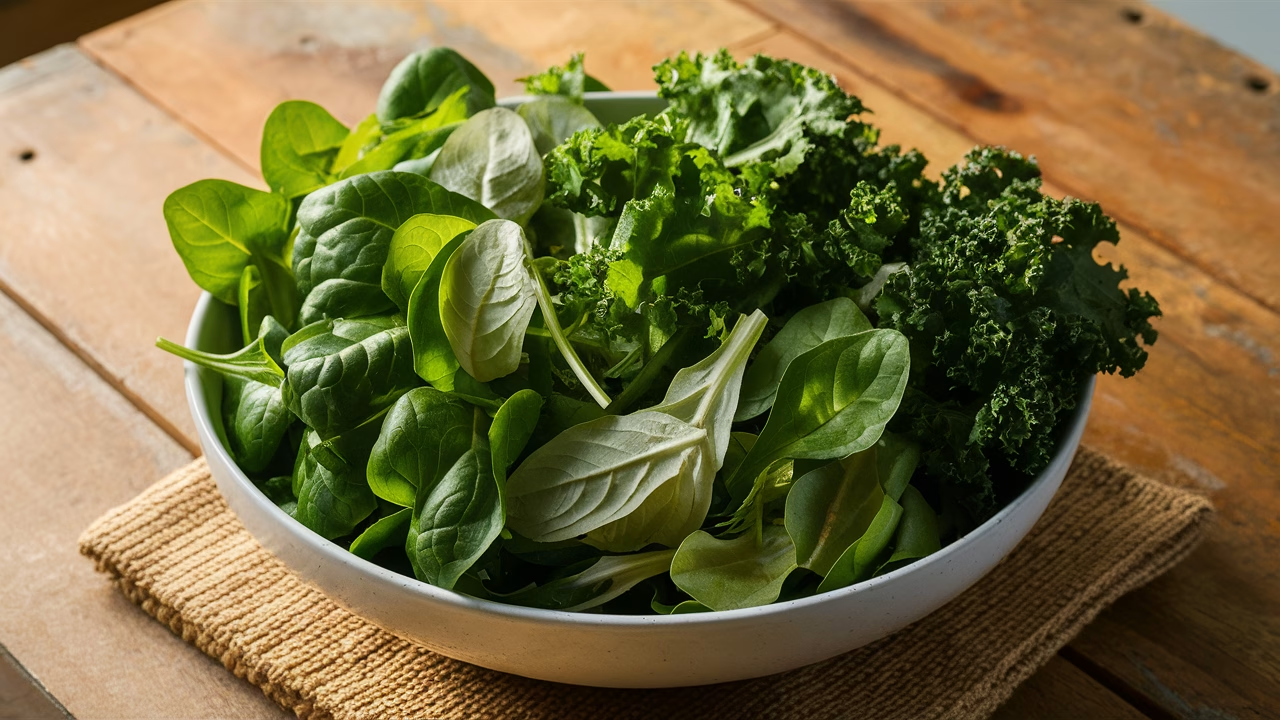
Spinach, kale, and Swiss chard aren’t just salad staples. They are antioxidant powerhouses offering lutein, beta-carotene, vitamin C, and E. Together, they form a multidimensional defense against sun damage, improving collagen synthesis and hydration while fighting off free radicals through superior internal skin defense.
Eat More: Blend them into smoothies, toss with olive oil in a salad, or sauté with garlic for a savory standby.
7. Nuts & Seeds: Vitamin E for Skin Resilience
Vitamin E is vital for stabilizing your cell membranes, acting like a bodyguard for your skin against harmful UV rays. Almonds, walnuts, sunflower seeds — they pack the protein and healthy fats your body uses to transport and absorb protective antioxidants efficiently.
Serving Size: Just a small handful a day can substantially improve your skin’s ability to fight oxidative stress from sun exposure.
8. Bell Peppers: Colorful Vitamin C Collagen Boosters
Did you know red and orange bell peppers offer more vitamin C than an orange? Vitamin C is key to collagen production, keeping your skin firm and less prone to UV-induced sagging and wrinkles. This makes them essential for natural sun damage protection.
Eat Them Raw: That’s when vitamin C content is highest. Add to salads, slice onto whole grain sandwiches, or crunch them with hummus.
9. Watermelon: Hydration Meets UV Defense
This summer favorite is rich in lycopene (like tomatoes) and flush with hydrating power. Proper hydration means better skin barrier function, elasticity, and damage mitigation after sun exposure — making it one of the most refreshing natural ways to protect skin from sun damage.
Fun Ideas: Blitz into smoothies, freeze for hydrating popsicles, or cube it into a feta and mint salad to stay deliciously sun-savvy.
10. Pomegranates: Antioxidant Armor in Every Seed
Pomegranates contain ellagic acid and punicalagins — polyphenols that not only neutralize UV-induced free radicals but can enhance your skin’s resistance to burning. Some studies suggest they may even reduce the risk of UV-related skin cancers, making them powerful antioxidants for skin health.
Enjoy Often: Sprinkle fresh seeds on yogurt or blend into a smoothie. A serving a day adds a beautiful, ruby-toned insurance policy for your skin’s longevity.
Topical vs Oral Sun Protection: Why You Need Both
Ever wonder if it’s better to eat your sunscreen than wear it? Truth is, you need both approaches for comprehensive sun damage protection. Topical protection like sunscreens forms a surface shield, while oral protection from foods boosts your skin’s built-in defenses. The most effective plan includes layering strategies — the way you’d layer clothing for cold weather.
| Protection Type | Benefit | Limitation |
|---|---|---|
| Topical Sunscreen | Blocks UV rays at surface | Wears off with sweat Needs reapplication |
| Oral Nutrients | Reduces inflammation and oxidative stress from within | Requires consistency Takes time to build effectiveness |
Wrap-Up: Personalized Protection Through Nutrition
Building sun protection into your plate isn’t just smart — it’s science-backed and sustainable. Your skin heals and protects itself more effectively when richly nourished with antioxidants for skin health. Every meal is an opportunity to fortify your natural skin defense system against harmful UV rays.
Final Word: Sunscreen protects from the outside. These foods protect from the inside. Together, they make a complete strategy to fight UV radiation, inflammation, and premature aging. Choose colorful, antioxidant-rich foods daily and support skin that’s naturally healthy — right down to the cellular level.
Frequently Asked Questions
- Can food really protect my skin from sun damage?
Yes. Certain foods contain antioxidants that help neutralize UV-induced free radicals and strengthen your skin’s defense mechanisms from the inside out. - How long do I need to eat these foods before seeing benefits?
Most studies show positive skin benefits after consistent consumption for 4–6 weeks. - Are these foods a replacement for sunscreen?
No. They complement but do not replace topical sunscreen. Use both for optimal protection. - What’s the best food for sensitive skin under the sun?
Green tea and fatty fish are excellent for calming inflammation and reducing sun-triggered redness. - Should I take supplements if I can’t eat all these foods?
Whole foods are preferred, but supplements can help bridge the gap. Consult a healthcare provider before starting any new supplement regimen. - Do these foods help reverse past sun damage?
Yes, to a degree. Many contain compounds that support skin repair and reduce oxidative stress, improving skin appearance over time. - Is it safe to eat these foods every day?
For most people, yes — they are healthy staples. Moderation remains key, especially with high-calorie or high-sugar options like dark chocolate and fruit juices.